
"The near £20 million in newly identified costs for two critical Belfast Health Trust facilities represents a ‘terrible waste’ of public funds, sparking urgent calls for accountability amidst severe project delays and significant health implications for patients."
The Belfast Health Trust is grappling with a staggering £20 million in additional expenses arising from unforeseen problems at two key new healthcare facilities: a maternity hospital and an acute mental health unit. These spiralling costs, described as "terrible waste" by Daniel McCrossan, Chair of the Public Accounts Committee, exacerbate existing budget overruns and delays, pushing the total cost of the maternity project alone beyond £100 million and leaving both facilities years behind schedule, unable to serve the patients they were designed for.
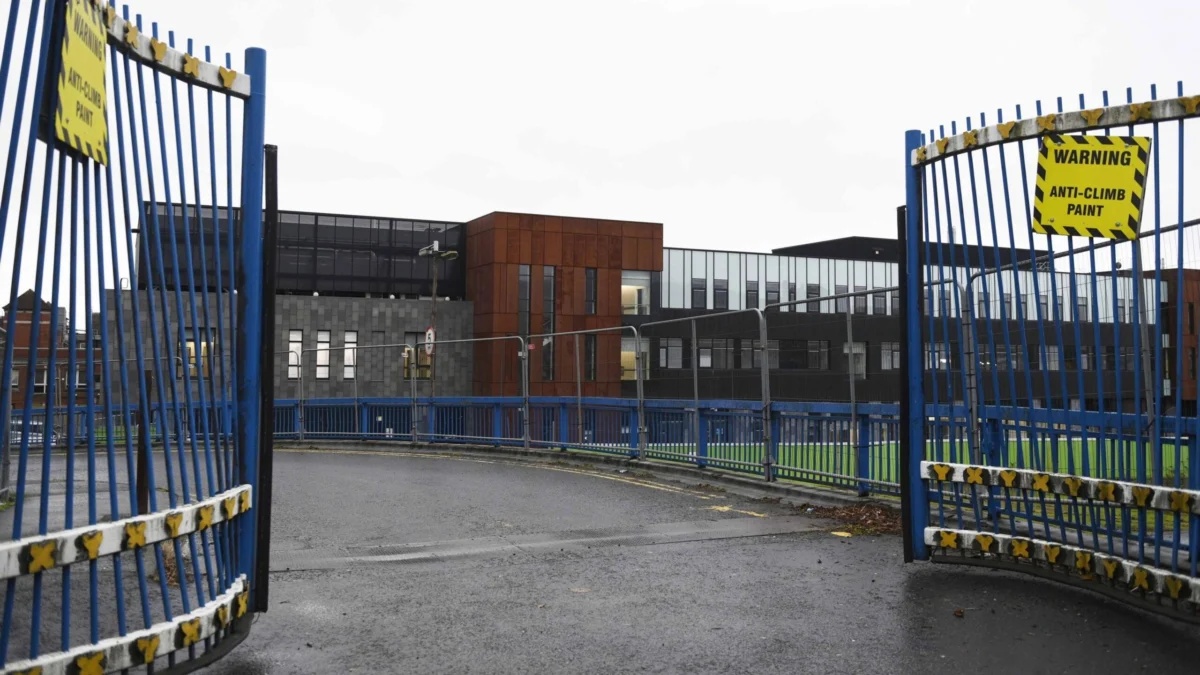
The new maternity hospital, situated on the Royal Victoria Hospital (RVH) site, has become a stark symbol of public sector project mismanagement in Northern Ireland. Already burdened by delays stretching over a decade and tens of millions of pounds over its initial budget, the project now faces an additional estimated cost of nearly £10 million. This latest blow stems from a critical flaw discovered after the building was handed over to the Belfast Trust in March 2024: the presence of Pseudomonas aeruginosa bacteria in its water system.

Pseudomonas aeruginosa is a common bacterium found in the environment, but it can pose a serious health risk, particularly to vulnerable individuals such as newborns, immunocompromised patients, and those recovering from surgery. Its presence in a hospital’s water supply is a grave concern, necessitating immediate and thorough remediation. The initial response involved an intensive chemical flushing process, a standard but aggressive method designed to sterilise the pipework and eliminate the bacterial threat.
However, this remedial action inadvertently created a new, costly problem. The chemical flushing process, intended to resolve the contamination, has reportedly caused extensive damage to the hospital’s intricate pipework, necessitating the replacement of over 2,200 defective valves. A report reviewed by the BBC estimates the repair bill for this extensive valve replacement at £7.8 million, a figure that could climb close to £10 million if contractors work around the clock to expedite the process. This cascade of issues means that a facility intended to provide state-of-the-art care for mothers and babies remains shuttered, its opening date indefinitely postponed. The Belfast Trust now projects a phased occupation, with one part of the new building potentially open by March 2027 and the neonatal unit by November 2027, contingent on the successful completion of the repair programme. This timeline pushes the facility’s full operational status nearly three years further into the future.
The complexity of liability for these escalating costs remains a contentious issue. The Belfast Trust, in response to Freedom of Information requests, has declined to specify whether the repair expenses will be borne by building contractors or by taxpayers, stating only that "The trust and its legal representatives continue to engage with independent experts on matters of liability and cannot provide a further update currently." This suggests an impending or ongoing legal dispute over who is responsible for the defects. Graham Construction, one of the parties involved, has issued a statement asserting that the hospital was successfully handed over "in accordance with its contractual obligations," and critically, that "all water quality samples tested within the facility were confirmed to be free from pseudomonas aeruginosa (PsA) prior to handover." This places the onus on post-handover management and operations, setting the stage for a protracted investigation into where responsibility truly lies. An internal investigation by Trust managers into the building handover and subsequent water system issues is expected to report this month, a report eagerly awaited for its potential to shed light on these critical questions.
Beyond the maternity hospital, the Belfast Health Trust is simultaneously contending with significant problems at the £33 million Acute Mental Health facility, located on the Belfast City Hospital site. Opened in 2019, this facility too has been plagued by issues serious enough to force the relocation of patients. The repair bill for this mental health unit now stands at £6 million. Adding to this, a further £3.4 million has been spent on making temporary wards at the Knockbracken Healthcare site in south Belfast suitable for rehousing the displaced patients. This brings the total additional expenditure for the mental health facility to £9.4 million. The disruption to mental health patients, a particularly vulnerable cohort, is profound, impacting their continuity of care and overall well-being. The delays are extensive, with patients not expected to return to the Acute Mental Health facility until February 2029, a decade after its initial opening.

The cumulative financial burden of nearly £20 million for these two projects has drawn sharp criticism from public watchdogs. Daniel McCrossan, as Chair of Stormont’s Public Accounts Committee, minced no words, calling it "such terrible waste" within the public sector. He stressed that such inefficiencies undermine Northern Ireland’s ability to advocate for more funding from London, stating, "We can’t see such waste, such terrible waste, within our public sector and then still go to London and demand more [money]." McCrossan’s committee, tasked with overseeing public spending, is demanding clear accountability and reassurance regarding the eventual opening of these facilities. "Every pound counts," he emphasised, questioning how much longer "sticking plasters" would be applied instead of addressing root causes.
The Department of Health (DoH) has acknowledged the situation, describing the extra building costs as "disappointing" but asserting that it is "essential they are completed and delivered." The DoH, acutely aware of the "pressures on public finances," has stated that it, along with the Belfast Trust, is "reviewing the factors that have led to cost increases and delays." Crucially, the department has committed to ensuring that "Should specific liability be established, we will ensure that the relevant parties are held accountable." This commitment underscores the seriousness with which these issues are being viewed at the highest levels of health governance.
The broader implications of these project failures extend beyond financial figures. They erode public trust in the delivery of essential public services and raise critical questions about procurement, project management, and oversight within Northern Ireland’s health sector. The opportunity cost of nearly £20 million is substantial; this sum could have been invested in direct patient care, staff recruitment and retention, or other vital healthcare infrastructure improvements. For expectant mothers in Belfast, the continued reliance on the older Royal Jubilee maternity hospital, with its potentially outdated facilities, represents a missed opportunity for improved care that has been promised for years. Similarly, the prolonged displacement of mental health patients highlights the systemic failures that impact the most vulnerable.
These incidents underscore the urgent need for robust, transparent project management frameworks for public infrastructure, coupled with clear lines of accountability from inception to completion. As Northern Ireland navigates ongoing public finance challenges, ensuring that every penny of taxpayer money is spent effectively and efficiently becomes paramount. The unfolding investigations and legal processes will be critical in determining liability and, hopefully, in establishing safeguards to prevent such costly and disruptive failures from recurring in the future, ultimately aiming to restore public confidence in the delivery of essential healthcare facilities.
