
"The stress can have long-term developmental harm and inhibit their ability to do well in school, have good health outcomes, and grow into thriving, stable adults."
This stark warning encapsulates the profound and lasting damage being inflicted upon children by current immigration enforcement policies. Far beyond the immediate trauma of parental separation, these policies create a pervasive climate of fear and instability that erodes the fundamental well-being of millions of young lives, impacting their health, education, and future potential. This article delves into the multifaceted consequences of these stringent measures, examining the direct and indirect effects on children of immigrant backgrounds, the policy drivers behind this crisis, and the growing concerns of experts and advocates.
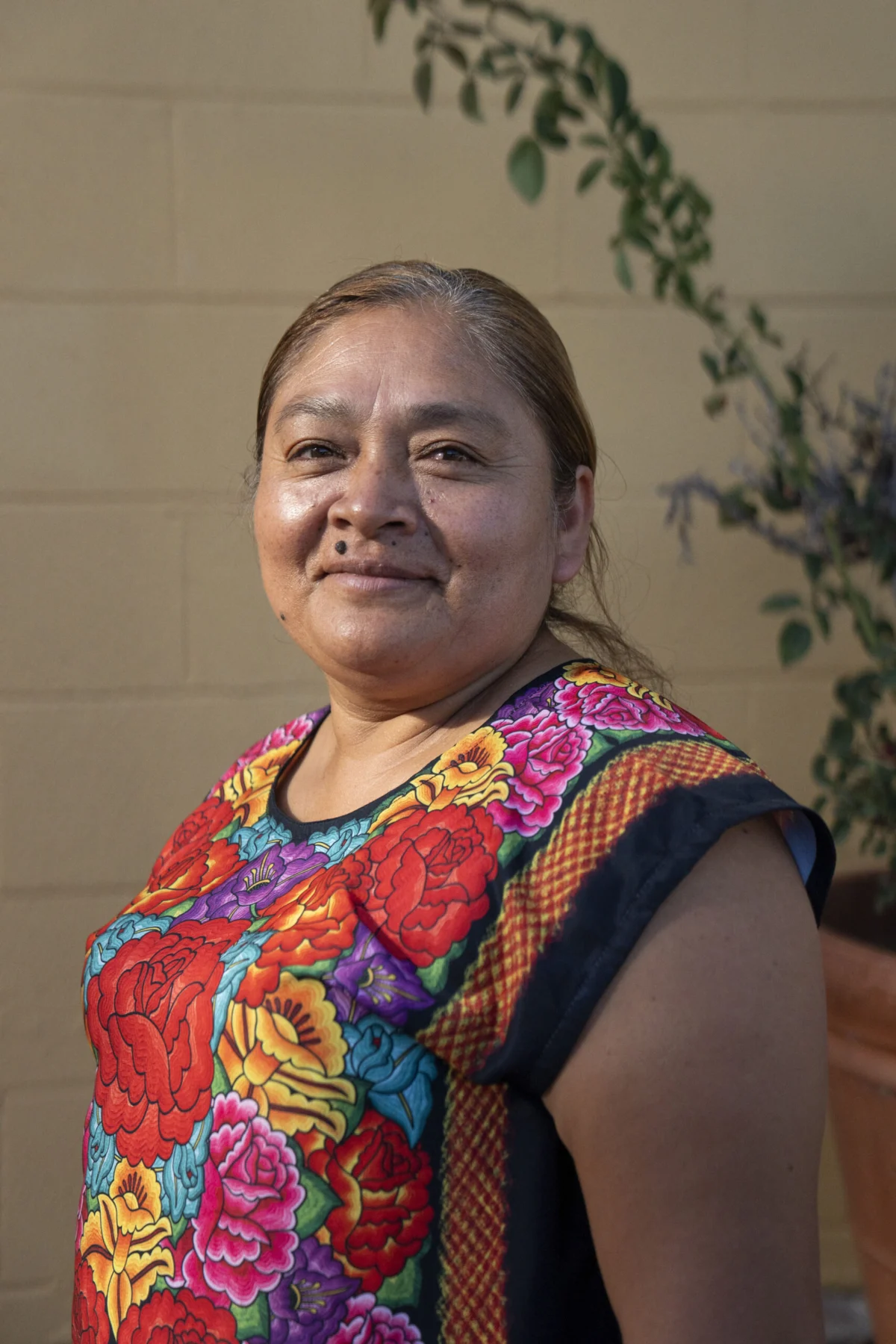
The scene is etched in Norma Gómez’s memory: a young girl, her eyes brimming with a desperate hope, asking if Gómez was the one who could bring her mother back. It was a December morning, and Gómez, a project manager for a nonprofit providing aid to immigrant families, had arrived with essential supplies – food, diapers, baby wipes, and clothing. These provisions were for the six-year-old, her infant brother, and the neighbor who had stepped in to care for them after their parents were arrested by federal immigration agents outside their Oxnard apartment. Oxnard, a predominantly Latino agricultural community on the Southern California coast, had become a focal point of these anxieties. While Gómez could offer material support, she possessed no power to reunite the family, a stark reality that left her searching for words that wouldn’t shatter the child’s fragile hope. "We’re working on that," she recalled telling the girl, a sentiment far from the truth of her helplessness.
Gómez’s experience is a microcosm of a larger crisis affecting millions of immigrant families since the resurgence of stringent immigration policies. The consequences for children’s health and development have been devastating. As of April, an estimated 205,000 children had at least one parent detained by immigration authorities, a number that has continued to climb. This separation inflicts profound psychological harm, destabilizing families and leaving the remaining parent or caregiver in a desperate struggle to maintain housing, secure food, and meet their children’s medical needs. In some harrowing instances, children are left to fend for themselves, a burden no child should bear.
The ripple effects extend to children whose parents remain in the country. The fear of deportation and the rhetoric surrounding immigration have created an environment of constant anxiety. Two children in North Carolina reportedly died by suicide in February 2025, following alleged bullying related to their family’s immigration status, a tragic testament to the severe mental health toll.
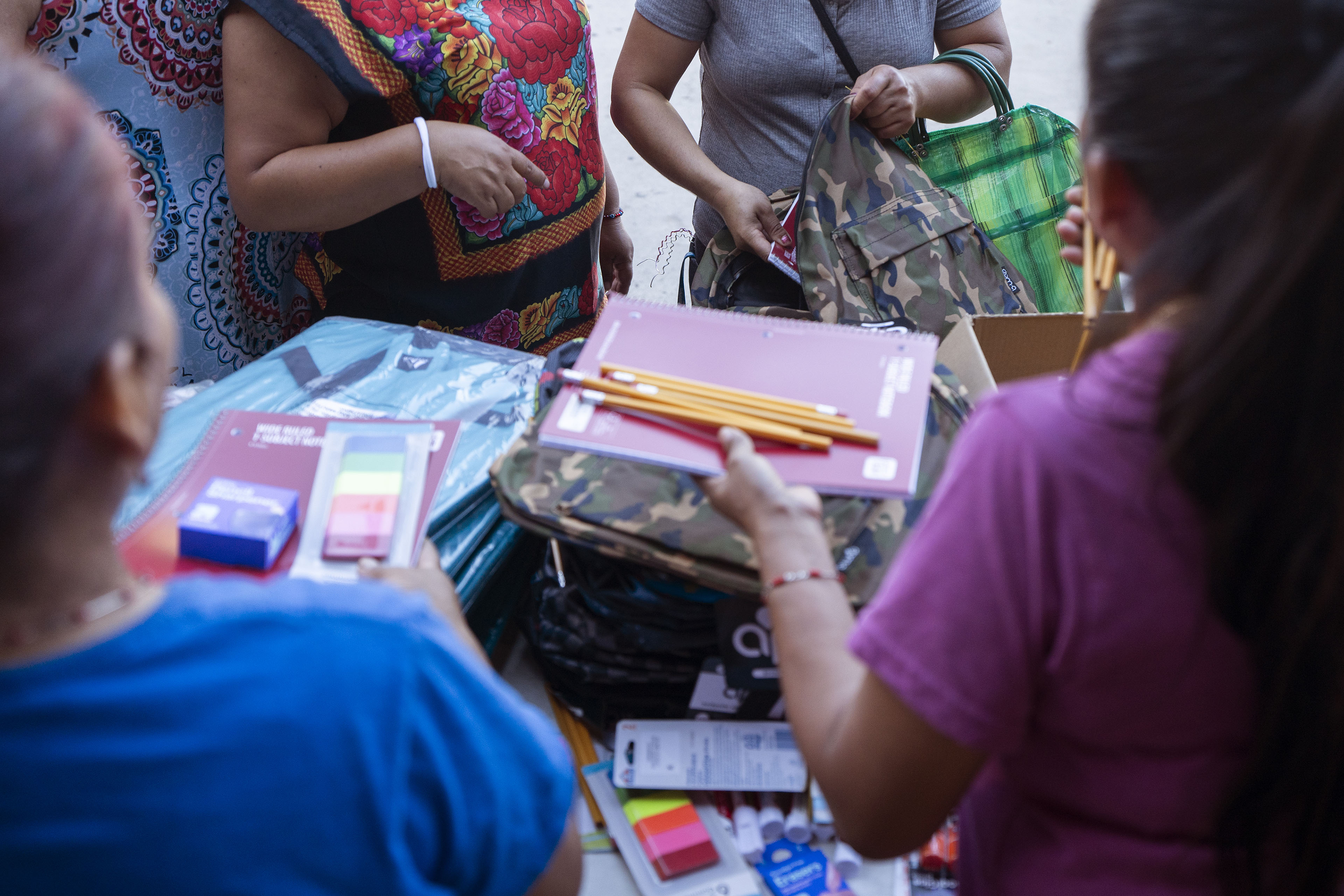
Beyond the immediate threat of separation, millions of children in immigrant families are facing a precarious future due to the erosion of access to vital support systems. As federal and state governments roll back eligibility for essential services, these families are losing access to medical care, food assistance programs, and crucial tax credits. The fear of federal enforcement deters parents from taking their children to school, seeking medical attention, or participating in social activities. This apprehension has led many to withdraw from or avoid enrolling their children in health and nutrition programs, further jeopardizing their well-being.
Children from immigrant backgrounds are living under a pervasive cloud of fear. They are experiencing heightened emotional distress, increased bullying in schools, and anxiety fueled by the specter of racial profiling by Immigration and Customs Enforcement (ICE), even when they or their family members are citizens or legal residents. This is particularly poignant given that a significant portion of children in the U.S. are U.S.-born citizens with at least one immigrant parent. Approximately one in four U.S.-born children has an immigrant parent, with around 4.6 million having a parent who lacks legal status.
Wendy Cervantes, director of immigration and immigrant families at the Center for Law and Social Policy, expresses deep concern about the long-term consequences for this generation. "I’m really concerned about how long it’s going to take for us as a country to address all of the harm that’s happening to this generation of kids," she stated. "This type of stress can have long-term developmental harm and can really inhibit their ability to do well in school, to have good health outcomes, and to grow into thriving, stable adults."
The current administration has made the crackdown on immigrants, including their children, a central tenet of its policy agenda. An executive order issued on Inauguration Day, purporting to end birthright citizenship for children born to undocumented parents or those on temporary visas, was ultimately blocked by the Supreme Court. Nevertheless, the administration has directed billions of dollars towards immigration enforcement. As of April, an estimated 145,000 U.S. citizen children have had a parent detained by immigration authorities. The Marshall Project reported that over 6,200 children were detained under the Trump administration. Furthermore, efforts to rescind Temporary Protected Status (TPS) for over a million immigrants, many of whom have U.S. citizen children, and stalled renewals for the Deferred Action for Childhood Arrivals (DACA) program, which benefits parents of approximately 300,000 citizen children, have added to the climate of uncertainty.
White House officials maintain that these immigration crackdowns benefit American citizens by freeing up resources, reducing pressure on public services, and expelling individuals deemed criminals. They argue that birthright citizenship encourages unauthorized immigration and "birth tourism," and that TPS has allowed individuals from "dangerous, third-world countries" to remain in the U.S. indefinitely. However, studies have indicated that mass deportations can negatively impact U.S. workers.
In response to inquiries about the long-term harm to children and increased healthcare costs, a White House spokesperson reiterated criticisms of President Joe Biden’s immigration policies, asserting that they facilitated the trafficking of children across the U.S. border. "The real story is the psychiatric impact on the tens of thousands of children who were smuggled across the border – many by human and sex traffickers," the spokesperson stated in an email. Public opinion on the administration’s handling of immigration remains divided, with a recent Associated Press-NORC Center for Public Affairs Research poll indicating that only 39% of Americans approve of Trump’s approach.
Stephen Miller, a key architect of the administration’s immigration policies, has contended that the children of immigrants strain public resources and perpetuate issues from their parents’ home countries. However, research suggests a different narrative. Immigrants tend to earn more and experience improved outcomes the longer they reside in the U.S. They and their children assimilate rapidly, and data indicates they rely less on welfare programs than native-born Americans. Miller, in a November post on the social platform X, articulated a starkly different view: "This is the great lie of mass migration. You are not just importing individuals. You are importing societies. No magic transformation occurs when failed states cross borders. At scale, migrants and their descendants recreate the conditions, and terrors, of their broken homelands."
Recent legislative actions have further impacted immigrant families. A tax-and-spending law enacted last summer curbed immigrant eligibility for health and food assistance programs. Additionally, new "public charge" rules implemented in July grant immigration officers broad discretion to deny green cards to lawfully present immigrants if they or their family members have utilized public benefit programs. This policy could lead to over a million U.S. citizen children disenrolling from safety net healthcare programs.
The trauma of parental separation is profoundly damaging for children, potentially leading to lifelong health problems including anxiety, depression, cardiovascular disease, and learning difficulties. Children separated from their parents at the border during earlier administrations exhibited lasting trauma. Deportations and detentions, or the mere threat of them, have been linked to widespread emotional trauma, increased school dropout rates, housing instability, and hunger among both immigrant and U.S.-born children. The societal cost is also substantial; a 2024 study by federal researchers estimated that childhood trauma-related health conditions accounted for $292 billion in healthcare spending in 2021, including costs borne by taxpayer-funded programs like Medicaid and Medicare.
Emmanuel, a 13-year-old in Oxnard, experiences anxiety every time his father, a farm laborer, goes to work. He constantly seeks reassurance that his father will return and worries about his own fate if his parents are detained. When out in public, he urges his mother to hurry, fearing the sudden appearance of ICE. For their safety, KFF Health News is withholding their full names.
Healthcare professionals have observed a significant increase in mental health issues, particularly anxiety, among children from immigrant families. Kimberly McNally, a pediatrician at Venice Family Clinic’s Inglewood South La Brea Health Center, frequently refers children of all ages for mental health services due to fears of parental separation. Liza Davis, advocacy director for Children in Immigrant Families at The Children’s Partnership, notes that children at daycares are arriving with extra bags, anticipating the possibility of their parents not being able to pick them up. The psychological distress can manifest in extreme ways. In June, 19-year-old Eliel José tragically took his own life after his father was deported from the Atlanta area to Mexico, as reported by Univision.
Rosie Harrison, executive director of Grow Initiative GA, a community organization serving low-income families, has received calls from immigrant parents seeking help for suicidal and depressed children. The lack of health insurance and the inability to afford therapy exacerbate these situations, often due to job losses resulting from worksite raids or eligibility changes imposed by the administration. "I’m concerned about the families that are going to be burying their child," Harrison stated. "I’m concerned that we are going to miss out on having an amazing person do amazing things for our community, for our country, because they took their life."
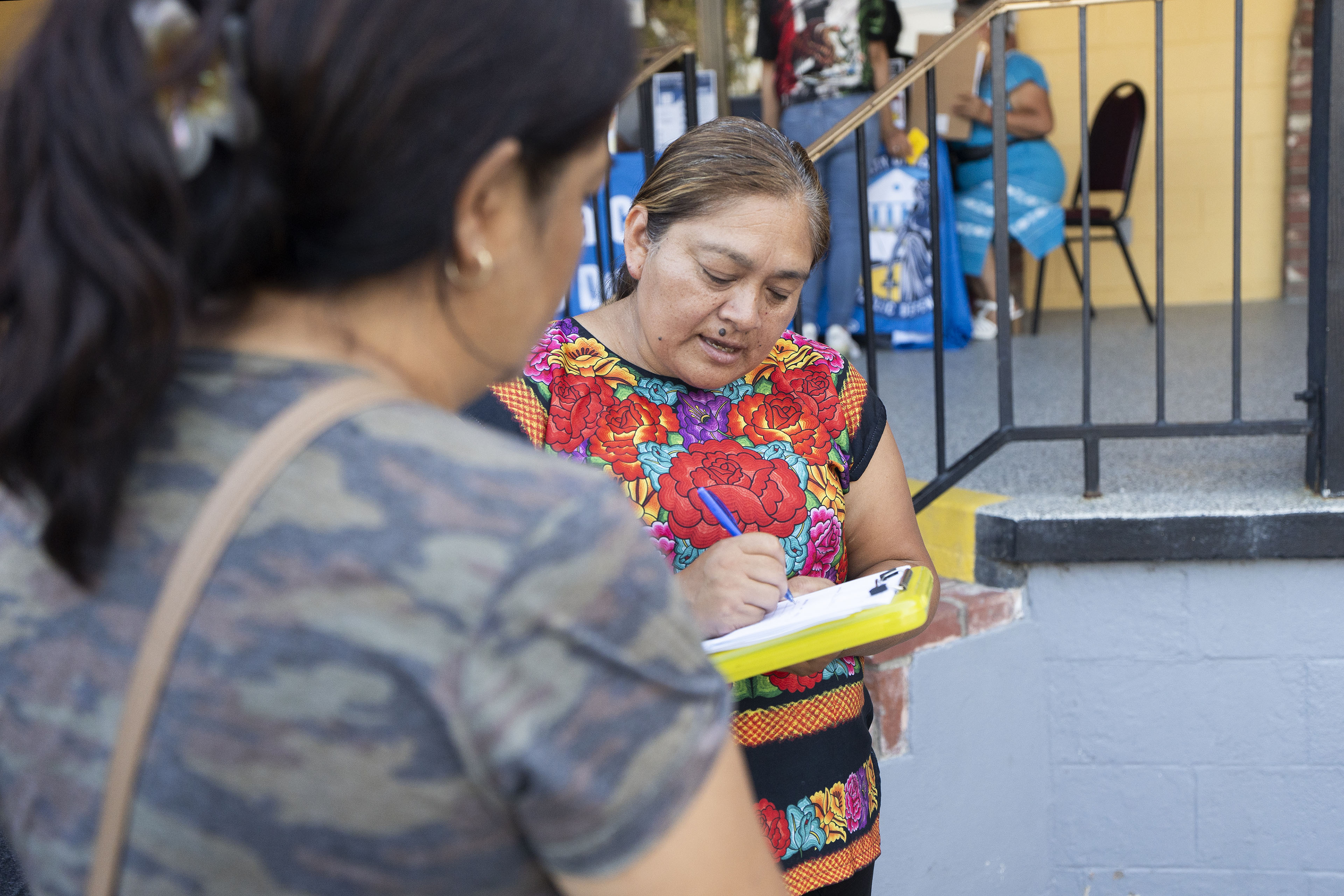
Despite these profound challenges, many children exhibit remarkable resilience. In a poignant role reversal, some children have become their parents’ protectors, managing grocery shopping and escorting younger siblings to school to minimize their parents’ exposure to potential enforcement actions. Giselle Gonzalez, a university student and volunteer with the VC Defensa immigrant protection network in Ventura County, recalls the chilling morning she heard children on bicycles cycling through her immigrant-heavy neighborhood, shouting warnings of ICE activity. Neighbors, community groups, and healthcare providers have mobilized to support affected families through various means, including delivering groceries, offering free therapy, escorting children to school, and assisting parents in creating emergency childcare plans.
Ultimately, advocates and experts agree that more humane immigration policies and enforcement tactics are imperative to end the harm inflicted upon children. Researchers at Arizona State University point to the Family Case Management Program, launched in 2016 under President Barack Obama, as a successful model. This program allowed families seeking asylum to remain in their communities while awaiting case resolutions, providing support through case managers. The program, deemed successful and cost-effective, was terminated by the subsequent administration.
At Venice Family Clinic in Los Angeles, case manager Mabel Alavez witnesses the immense pressure on families who remain together but live in constant fear of separation. Many of these parents and grandparents have resided in the U.S. for decades. They express apprehension about taking their children to school, parks, or beaches, and question the safety of enrolling their U.S.-born children in Medicaid. Alavez assists families facing eviction due to fear of working and inability to afford rent, and helps them develop plans for their children’s care should they be detained. Having grown up in an immigrant family herself, Alavez understands the unique challenges faced by first-generation Americans navigating their identity and sense of belonging. "It’s hard for me to imagine how they could possibly do that in addition to what’s going on now," she remarked. "I do feel like there will be a big impact on them. What that might look like, I’m not exactly sure."
