
"The ‘veil of shame’ surrounding maternal mental health must be lifted through education and open dialogue. No mother should feel isolated or ‘lazy’ when struggling with conditions as profound as postnatal depression or postpartum psychosis."

This powerful sentiment underscores the critical need to destigmatize and increase understanding of perinatal mental illnesses, conditions that profoundly impact new mothers and their families. Despite their prevalence, many women suffer in silence, believing their struggles are personal failings rather than treatable medical conditions. By sharing their deeply personal journeys, two women, Laura and Jade, illuminate the varied and severe forms these illnesses can take, highlighting the urgent necessity for comprehensive support and early intervention.
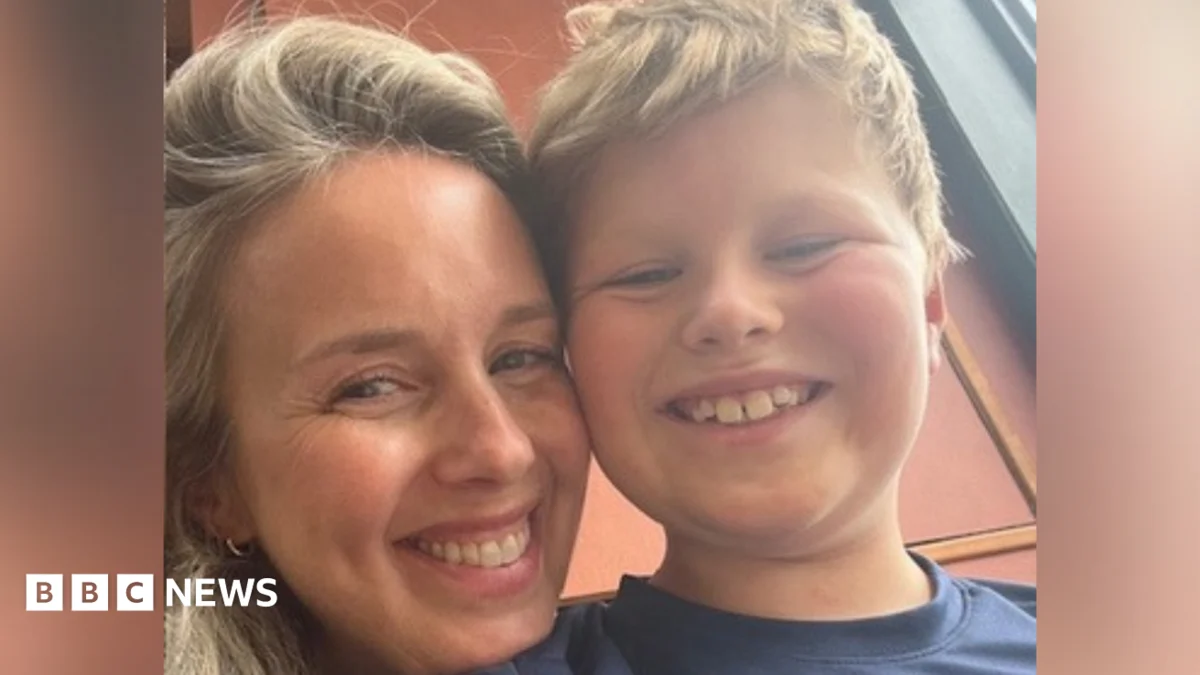
Laura, a 45-year-old from Cheltenham, Gloucestershire, vividly recalls the overwhelming despair that enveloped her just weeks after the emergency Caesarean section that brought her son, Arthur, into the world in June 2018. Her initial feelings were far from the idealized joy often depicted in new motherhood. Instead, she was plagued by a profound sense of inadequacy, dismissing her struggles as mere "laziness." "Women, since the beginning of time, have birthed and looked after children, and I just couldn’t be bothered. I thought I was lazy," she confessed, revealing the insidious nature of postnatal depression (PND) that often convinces sufferers they are simply failing. This internal struggle escalated, manifesting as difficulty with simple household chores, spiralling into negative thought patterns, and eventually, terrifying suicidal ideation. Her experience is a stark reminder that PND is a serious mental health condition, not a character flaw, affecting over one in 10 new mothers, according to the NHS.

The journey through PND can manifest in various ways, from persistent feelings of sadness, anxiety, and irritability to profound difficulty concentrating, sleep disturbances unrelated to the baby’s needs, and a challenging struggle to bond with the newborn. The physical and emotional aftermath of a traumatic birth experience, such as Laura’s emergency C-section, can be a significant contributing factor, adding a layer of physical recovery to an already vulnerable mental state. Such experiences can leave new mothers feeling overwhelmed, disoriented, and disconnected from the positive expectations surrounding childbirth.
Recognizing the severity of her condition, Laura and Arthur were admitted to the mother and baby unit at the Barberry, a national centre for mental health in Birmingham. This specialized inpatient care, spanning 10 crucial weeks, proved to be a turning point. Mother and baby units (MBUs) are vital facilities that offer integrated psychiatric and emotional support, allowing mothers to receive intensive treatment while staying with their infants, promoting bonding and attachment during a critical developmental period. Such units provide a safe environment where mental health professionals can closely monitor symptoms, administer appropriate medication, and deliver specialized therapies tailored to the unique challenges of postpartum recovery. For Laura, this dedicated care made "all the difference," pulling her back from the brink of despair.

Laura’s recovery ignited a passion for advocacy. She now volunteers with the perinatal mental health team, driven by a desire to "give back" to the NHS, which she credits with carrying her through "the lowest time of her life." Her commitment extends to raising awareness through her book, "Something to Live For," which shares her deeply personal journey with postnatal depression. The book has resonated widely, garnering "heart-warming messages" from fellow mothers and praise from fathers who found it instrumental in understanding their partners’ postpartum experiences. Her work actively contributes to dismantling the "veil of shame," fostering an environment where seeking help is seen as a strength, not a weakness.
While PND is more common, a more severe and rarer condition, postpartum psychosis (PPP), demands immediate medical attention. Jade, 33, from Sherbourne in Dorset, experienced PPP about two weeks after giving birth to her daughter in December 2020. Her birthing experience was itself a traumatic ordeal, involving nearly three days of labor, induction, and a forceps delivery—a far cry from her envisioned water birth. The disparity between expectation and reality, coupled with the physical exhaustion and emotional toll, triggered immediate tearfulness and difficulty processing the event. "I didn’t realise at the time but, after going through therapy, I realise it was quite a traumatic delivery," she reflected, underscoring how deeply birth trauma can impact a mother’s mental state.

Postpartum psychosis affects approximately one in 1,000 new mothers and is characterized by a rapid onset of severe symptoms, including hallucinations, delusions, mania, severe confusion, and profound depression. Unlike PND, which can develop gradually, PPP is a medical emergency requiring urgent psychiatric intervention. Jade initially sought counselling for her escalating symptoms but encountered an NHS stretched thin, leading to a suggestion to seek private help. In March 2021, she was prescribed antidepressants, but tragically, her first psychotic episode struck just two weeks later. "I was in a completely different reality," Jade recounted, describing a terrifying detachment from reality and the onset of "intrusive thoughts" that she was too afraid to voice. This period highlights the critical danger of delayed intervention in cases of severe perinatal mental illness.
Her admission to a mother and baby unit in Bournemouth, supported by a peri-mental health team, was crucial for Jade’s recovery. These specialized teams are equipped to handle the complexities of PPP, providing intensive, multi-disciplinary care that often includes antipsychotic medication, mood stabilizers, and various forms of therapy. The integrated approach ensures both the mother’s and baby’s well-being are prioritized. Although Jade experienced depression upon returning home and a relapse of psychosis in January 2024, the consistent support from her community mental health team and her care co-ordinator proved to be a "complete lifeline." This continuity of care is paramount, especially for conditions like PPP, which can have a higher risk of recurrence.

Both Laura and Jade’s stories underscore the fundamental importance of early recognition and intervention. The NHS advises new mothers experiencing symptoms of PND—fear, anxiety, irritability, concentration difficulties, sleep problems, suicidal thoughts, or struggles with bonding—to seek support from their GP, health visitor, or midwife. Charities such as Mind and PANDAS also offer invaluable resources, including helplines, information, and peer support networks. For PPP, Jade’s message is unequivocal: "If a mum is acting out of character… and the unusual behaviour isn’t right, it’s really important that’s flagged and is seen as a medical emergency." Family members, partners, and friends play a critical role in recognizing these signs, as the mother herself may lack insight into her condition or be too unwell to seek help.
The experiences of these courageous mothers serve as powerful calls to action for a society that must better understand and support maternal mental health. By openly discussing their struggles and recoveries, Laura and Jade are not only advocating for improved healthcare systems but also empowering other women to break their own silence. Their narratives reinforce that these conditions are treatable, and with the right support, new mothers can navigate these challenging periods and forge healthy, loving bonds with their children. The enduring message is clear: maternal mental health is a community responsibility, requiring empathy, education, and accessible, high-quality care to ensure no new mother feels isolated or ashamed in her time of need.
