
"Modern hydration has transitioned from a basic biological necessity into a sophisticated intersection of material science, ergonomic design, and integrated technology tailored to specific human environments."

The evolution of the reusable water bottle represents a significant shift in consumer behavior, moving away from single-use plastics toward high-performance vessels that prioritize durability, temperature retention, and even digital health tracking. As the market expands, the choice between a lightweight polymer construction and a vacuum-insulated stainless steel frame has become a decision dictated by activity—whether it is a grueling mountain hike, a high-intensity gym session, or a data-driven office routine.
The Shift Toward Advanced Polymers: The Yeti Yonder
For years, the industry leaned heavily toward heavy, double-walled metal containers. However, the emergence of the Yeti Yonder marks a return to high-quality plastics, specifically designed for those who prioritize weight reduction without sacrificing ruggedness. Constructed from BPA-free plastic—composed of 50% recycled material—the Yonder is engineered to withstand extreme physical trauma. In field testing, these bottles have survived 10-foot drops onto concrete, a testament to their structural integrity.

The Yonder’s primary appeal lies in its "chug spout," a design that balances flow rate with control, making it ideal for rapid rehydration. While metal bottles excel at temperature retention, they often add significant weight to a pack. The Yonder, weighing in at just 9.6 ounces for a 25-ounce capacity, offers a streamlined alternative. For those who find the standard cap cumbersome, the optional Tether Cap provides a more integrated carrying experience, further cementing its status as a versatile, everyday essential.
Precision Engineering in Insulation: Stanley and Owala
While Yeti focuses on lightweight utility, brands like Stanley and Owala have mastered the art of thermal regulation. The Stanley Quick Flip GO represents a practical evolution of the brand’s legendary durability. Unlike the oversized tumblers that have dominated social media, the Quick Flip GO is designed for movement. Its slim profile fits standard cup holders and backpack side pockets, while its two-step locking mechanism ensures that the bottle remains leakproof even when jostled in a gym bag.

Similarly, the Owala FreeSip has gained a cult following due to its innovative spout design. The FreeSip technology allows users to choose between sipping through an integrated straw or tilting the bottle back for a "big gulp" through the wide-mouth opening. This dual-functionality is housed within a stainless steel body capable of maintaining "polar temperatures" for up to 24 hours. Its push-button access and ergonomic carry loop make it one of the most user-friendly options for cyclists and hikers who need one-handed operation.
The Rise of the Smart Bottle: Larq and Hidrate Spark
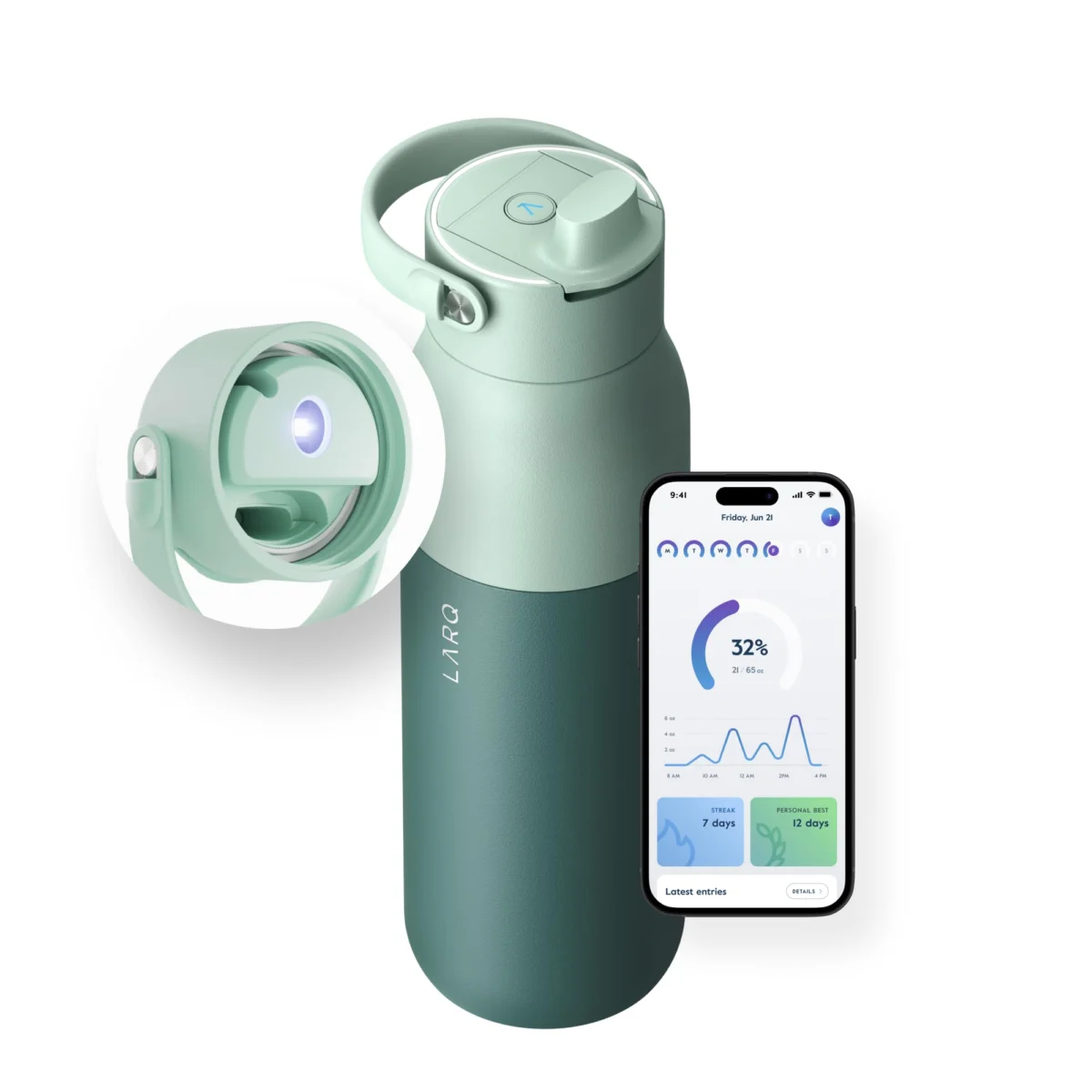
As we move further into the era of the "Quantified Self," hydration has gone digital. The Larq Bottle PureVis 2 is at the forefront of this movement, utilizing UV-C LED technology to eliminate 99% of bio-contaminants from both the water and the inner surface of the bottle. This self-cleaning cycle activates every two hours, or at the touch of a button, making it a premier choice for travelers concerned about water quality.

Beyond purification, the integration of smartphone apps has turned the water bottle into a personal health coach. The Hidrate Spark Pro 2 uses internal sensors to track water intake down to the ounce, syncing the data via Bluetooth to health apps. For individuals who struggle to meet daily hydration goals, the bottle provides subtle reminders through customizable LED glows at the base. While these "high-IQ" bottles require more careful maintenance—specifically regarding the sensitive sensor pucks—the benefit of automated hydration tracking is a significant draw for the tech-conscious professional.
Specialized Utility: Camelbak and Nalgene
In the realm of high-intensity athletics and backcountry exploration, specialized designs are paramount. The Camelbak Podium Dirt Series reimagines the classic squeeze bottle for the modern athlete. By incorporating an integrated mud cap and a self-sealing Jet Valve, Camelbak has solved the perennial problem of "gym dust" and trail debris contaminating the drinking surface. Furthermore, its insulated plastic construction prevents condensation, ensuring a secure grip during heavy lifting or cycling.

On the opposite end of the complexity spectrum sits the Nalgene Wide-Mouth. This bottle remains a "modern classic" precisely because of its simplicity. Made from virtually indestructible Tritan plastic, Nalgenes have become iconic symbols of outdoor culture. Their wide-mouth design allows for easy cleaning and the addition of ice cubes, while the lack of mechanical parts means there is almost nothing that can break. They are the preferred canvas for stickers and a staple for those who view a water bottle as a lifetime tool rather than a seasonal accessory.
Versatility and Filtration: Takeya and LifeStraw
For those who require a "do-it-all" vessel, the Takeya Vacuum Insulated bottle offers a middle ground between premium performance and affordability. Its standout feature is the leakproof spout lid, which provides a controlled flow without the need to remove the entire cap. The addition of a silicone bumper at the base protects the stainless steel from dents, a common issue with many metal bottles.

However, when the safety of the water source is in question, the LifeStraw Go Series is peerless. LifeStraw’s two-stage filtration system is a marvel of portable engineering, designed to remove 99.999999% of bacteria (including E. coli) and 99.999% of microplastics and parasites. By integrating this laboratory-grade filter into a stylish stainless steel bottle, the brand has created a product that offers peace of mind for international travelers and backcountry hikers alike. While the filter requires replacement every 60 days, the ability to safely fill a bottle from a public fountain or a mountain stream is a value proposition that transcends aesthetics.
Performance in the Wild: The Hydro Flask Standard
No discussion of hydration is complete without mentioning Hydro Flask. The 32-ounce Wide Mouth model remains a benchmark for the industry. Its TempShield double-wall vacuum insulation is widely regarded as the gold standard for keeping liquids cold for up to 24 hours or hot for up to 12. The proprietary powder coat provides a non-slip grip that remains durable through years of use.

Hydro Flask’s success lies in its balance of high capacity and portability. Despite its volume, it is designed to fit into most hiking packs, and the flexible strap on the cap makes it comfortable to carry over long distances. It is a tool built for the "outdoorsy type," but its reliability has made it a common sight in classrooms and offices worldwide.
Conclusion: Selecting the Right Vessel
Choosing the "best" water bottle is no longer a matter of finding the one that holds the most liquid; it is about matching the vessel’s features to the specific demands of one’s environment.

For the minimalist hiker, the lightweight Yeti Yonder or the indestructible Nalgene is the logical choice. For the data-driven athlete, the Hidrate Spark Pro 2 offers a level of insight that manual tracking cannot match. For the traveler, the filtration of LifeStraw or the UV purification of Larq provides a necessary layer of safety. Ultimately, the diversification of the water bottle market ensures that whether one is navigating a urban commute or a wilderness trail, there is a precision-engineered solution available to ensure peak physiological performance through optimal hydration.
