
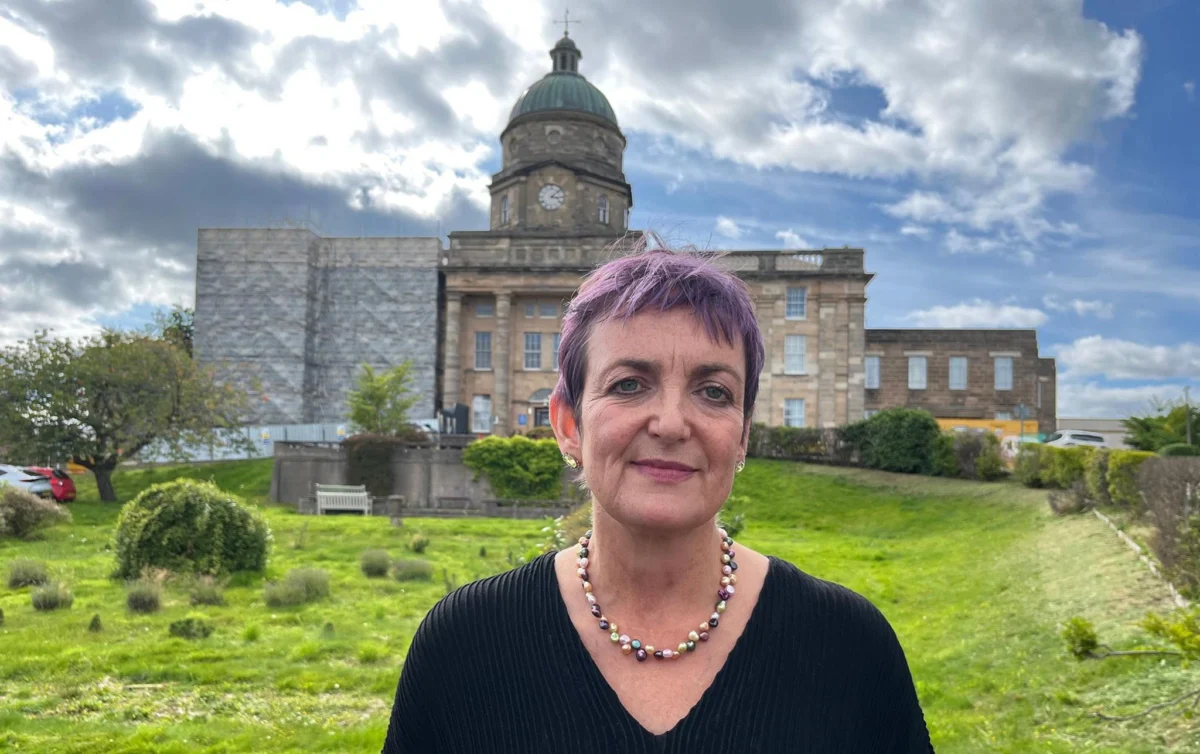
"A scathing report by Scotland’s healthcare watchdog exposes a systemic crisis within NHS Grampian, revealing not only critical patient safety concerns at Dr Gray’s Hospital but a pervasive culture of poor leadership, accountability failures, and misleading conduct from its highest echelons."
The healthcare landscape of Scotland has been rocked by an unprecedented condemnation of NHS Grampian, as a recent report from Health Improvement Scotland (HIS) paints a stark picture of deep-seated deficiencies extending far beyond isolated incidents. This comprehensive review highlights major problems at Dr Gray’s Hospital in Elgin, yet critically identifies systemic failings across the entire region, characterized by a persistent inability to learn from mistakes and a troubling pattern of harm to patients. The findings underscore a growing frustration among frontline NHS staff who increasingly feel burdened by the consequences of executive-level mismanagement, with the report pinpointing significant lapses in leadership and governance at the very top of the health board.

At the heart of this unfolding crisis is Laura Skaife-Knight, NHS Grampian’s chief executive, whose substantial annual salary of between £170,000 and £175,000 now comes under intense scrutiny. Despite initiating the review, Skaife-Knight herself has not escaped direct criticism. The HIS report unveils a shocking incident earlier this year where she was compelled to issue a "humiliating apology" for providing misleading information concerning an internal review into a patient’s death during surgery. This incident exposed a severe breakdown in transparency and accountability within the board’s leadership.
The investigation into the patient’s death was deemed "inadequate" by Health Improvement Scotland, but the gravity of the situation was compounded by Skaife-Knight’s subsequent actions. She misled the watchdog by asserting that senior executives had not seen or signed off on the review. Contrary to her claims, it was revealed that the then-executive medical director, Hugh Bishop, had not only received the review but had also discussed it in a meeting, only to later claim "no recollection" of these events. Bishop has since departed his post in recent weeks, a move that further fuels questions about accountability at the executive level. The provision of misinformation by the chief executive caused "significant distress" among lower-level staff, who felt unjustly implicated and blamed for systemic failures, further eroding trust within the organization. Skaife-Knight has since apologized to both HIS and the affected staff, taking measures she states are "intended to rebuild trust."
Health Improvement Scotland has characterized this as the "most serious review it has ever had to undertake," a designation that speaks volumes about the depth and breadth of the issues uncovered. The report meticulously details a pattern of management failure that transcends any single individual, pointing to a pervasive weakness in leadership across the entirety of NHS Grampian. This systemic frailty has led directly to critical failures in recruitment, management practices, and overall governance. More alarmingly, it highlights a repeated and alarming failure to act on warnings regarding patient safety and, crucially, an inability to learn from past mistakes. This creates a dangerous environment where preventable errors can recur, directly impacting patient outcomes and staff morale.

The Scottish Health Secretary, Angela Constance, has publicly affirmed her continued faith in Skaife-Knight, commending her for operating "with candour" and "put[ting] her hands up when she made mistakes." This stance, while acknowledging an attempt at transparency, comes at a delicate time when public and staff confidence in NHS Grampian’s leadership is severely tested. Constance noted that nearly half of the board had seen changes in personnel and that a new chairperson was soon to be appointed, expressing an expectation that the new leadership would rigorously hold senior executives to account. However, with NHS Grampian already operating under "special measures" due to significant financial difficulties, the prospect of further escalation in government oversight appears "inevitable." The Health Secretary has committed to updating the Scottish Parliament next week on the government’s planned actions, indicating the severity and political sensitivity of the situation.
The crisis in NHS Grampian also serves as a critical backdrop to wider discussions within the Scottish government regarding the future structure of the national health service. Plans announced in September aim to streamline the current 14 health boards into just two, a move intended to improve efficiency and accountability. However, the ongoing issues in Grampian raise pertinent questions about whether such large-scale structural changes can genuinely enhance the accountability of NHS leadership or merely shift existing problems to a different organizational framework. There is a robust debate to be had about whether this consolidation is truly in the best interest of patients, balancing potential administrative efficiencies against the vital need for localized responsiveness and oversight.
Indeed, the themes of leadership failure and accountability resonate far beyond the north-east of Scotland, echoing concerns voiced by NHS staff across the country. In July, for instance, emergency medicine consultants in Glasgow issued a stark warning to Health Improvement Scotland, citing a risk of "whole-system failure" and persistent threats to patient safety within the emergency department at the Queen Elizabeth University Hospital. These doctors highlighted a significant deterioration in conditions since a 2024 inspection, directly attributing the decline to health board executives. A recent staff survey revealed a dismal confidence score of 32/100 in leadership, reflecting a profound lack of trust. Furthermore, they questioned the transparency of their chief executive, Prof. Jann Gardner, alleging that a 2025 independent review of culture and relationships, which staff were encouraged to engage with, has never had its results published. NHS Greater Glasgow and Clyde has stated that it continues to address these issues through an ongoing programme of improvement work, but the parallels with Grampian are striking.

Similarly, the chief executive of NHS Ayrshire and Arran stepped down earlier this year following the health board’s near-financial collapse, again underscoring the interconnectedness of financial stability, effective governance, and leadership performance within the NHS. While no one disputes the immense challenges faced by NHS bosses, their generous six-figure salaries demand a commensurate level of responsibility and accountability. The recurring patterns of executive oversight failures, financial mismanagement, and a perceived lack of transparency across multiple Scottish health boards highlight a systemic issue that requires a robust and coordinated response from both health service leadership and the Scottish Government. The ultimate goal must be to restore public trust, ensure patient safety, and empower frontline staff to deliver the highest standard of care without the added burden of leadership inadequacies. The coming weeks will be crucial in determining the path forward for NHS Grampian and, by extension, the broader Scottish health service.
