
"A significant shift in British sexual behavior reveals a complex interplay between declining physical intimacy and surging digital engagement. While a third of young adults have never had sex, half are actively sexting and nearly 90% of young men view pornography, signaling a profound cultural redefinition of connection and desire."
The latest iteration of the National Survey of Sexual Attitudes and Lifestyles (Natsal), a cornerstone of British public health research, has unveiled a compelling and somewhat paradoxical portrait of contemporary intimacy. For the first time, this seminal study delves into the digital dimensions of sexual behavior, finding that while physical sexual activity is decreasing across younger age groups, engagement with online forms of sexual expression, such as sexting and pornography, is at an unprecedented high. This divergence presents a critical challenge for understanding evolving relationships, sexual health, and societal well-being in the digital age.

The Natsal survey, conducted every decade since 1990, offers a unique longitudinal perspective on the sexual health and practices of people in Britain. Its findings are instrumental for policymakers, healthcare providers, and educators in shaping relevant interventions and support systems. The most recent data, collected between 2022 and 2024 from a robust sample of 6,700 individuals aged 16-59, highlights a marked generational divide and a significant departure from previous norms.
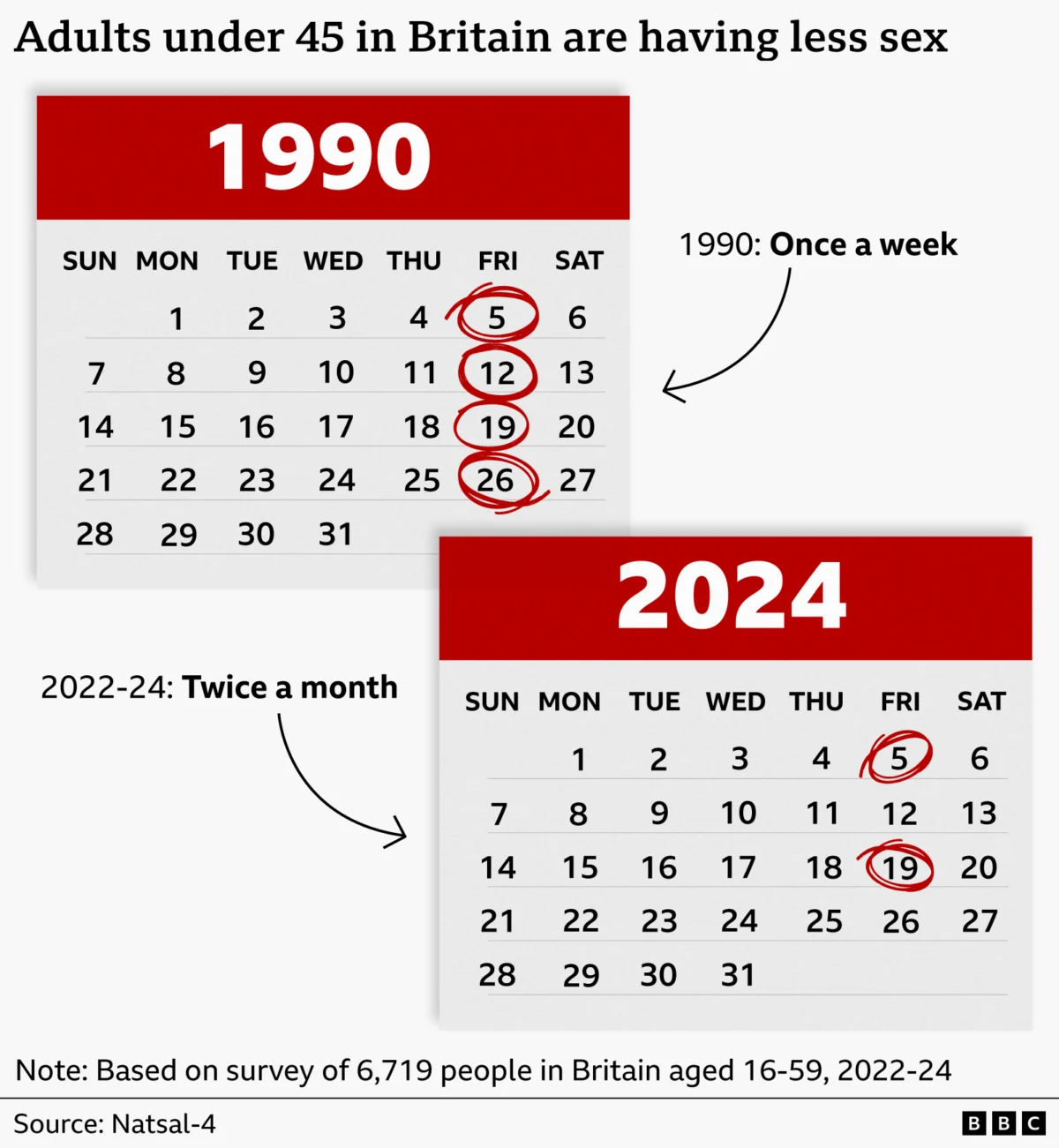
At the forefront of these revelations is the striking statistic that a third of young Britons aged 16 to 24 have never had sexual intercourse. This figure represents a notable increase from approximately one-fifth reported in the previous 2010 study, suggesting a growing trend towards delayed sexual initiation or lifelong abstinence among a substantial segment of the youth population. This trend is more pronounced among young women, with 38% reporting no prior sexual experience, compared to 28% of young men in the same age bracket. Beyond this specific demographic, the survey indicates a broader decline in sexual frequency among adults under 45, who now report having sex, on average, twice a month, a significant reduction from the once-a-week average recorded in 1990.
Simultaneously, the digital realm has become a dominant arena for sexual exploration and expression. The Natsal data reveals that approximately half of all 16-24 year olds have sent or received sexual images on their phones within the past year. Pornography consumption is even more widespread; half of young women and an overwhelming 86% of young men in this age group admit to viewing pornography. Across all adults surveyed, 37% of women and 81% of men reported watching porn in the last year. This unprecedented integration of digital platforms into sexual lives prompts crucial questions about how these virtual interactions shape expectations, desires, and experiences of intimacy. While the study notes that pornography use and masturbation are less common among those who have never had sex, suggesting these activities are not simply a direct replacement for in-person intimacy for all, the precise relationship between online and offline sexual behaviors remains complex and warrants further investigation.

Experts from the Natsal team, such as Professor Wendy Macdowall from the London School of Hygiene & Tropical Medicine (LSHTM), caution against attributing these shifts solely to screen time. Instead, a confluence of multifaceted societal and individual factors is likely at play. Economic pressures, for instance, mean more young people are living at home with their parents for longer periods, potentially limiting opportunities for private romantic and sexual encounters. Financial insecurity and the rising cost of living may also contribute to delayed adulthood and a greater focus on career and stability over relationship formation.
Furthermore, changes in social behavior, such as a documented decrease in alcohol consumption among younger generations, could influence sexual encounters, as alcohol often lowers inhibitions in social settings. The lingering effects of the COVID-19 pandemic, which imposed periods of social isolation and disrupted traditional dating rituals, also cannot be overlooked. The pandemic fundamentally altered social dynamics and may have contributed to a sustained reduction in face-to-face interactions conducive to forming intimate relationships.
Mental health is another critical consideration. Rising rates of anxiety, depression, and body image concerns among young people could impact self-esteem, confidence in social interactions, and willingness to engage in physical intimacy. The pressure to conform to idealized online representations of sexuality might also contribute to feelings of inadequacy or self-consciousness.

A crucial cultural shift identified by the Natsal researchers is the heightened awareness and discussion surrounding consent. Campaigns like #MeToo and broader societal conversations about sexual autonomy have empowered individuals, particularly young people, to feel more comfortable asserting their boundaries and making informed decisions about when and with whom to engage in sexual activity. This enhanced agency, while unequivocally positive, may contribute to delaying sexual initiation as individuals prioritize readiness and mutual respect.
Beyond the prevalence of sexual activity, the Natsal survey also uncovered concerning aspects of the emotional landscape surrounding sex. One in seven women (14%) reported experiencing ongoing upset related to past sexual experiences, highlighting the persistent impact of trauma or unwanted encounters. A similar proportion of men (14%) expressed shame about their sexual thoughts and desires, suggesting a need for more open, non-judgmental dialogue and support regarding male sexual health and identity. These findings underscore the importance of comprehensive sexual education that addresses not only physical health but also emotional well-being, consent, and healthy relationship dynamics.
Despite the overall decrease in physical sexual activity, the survey paradoxically indicates that many Britons, particularly young people, are still engaging in unprotected sex. This trend, coupled with a reported decline in the use of the oral contraceptive pill among young women, raises concerns about potential increases in unintended pregnancies and sexually transmitted infections (STIs). This discrepancy suggests a potential gap in sexual health education, access to contraception, or a misperception of risk among those who are sexually active.

Adding another layer of complexity to these findings is the notable increase in the proportion of women aged 16-44 who state they do not want children – a doubling from 8% to 17% in the past decade. Dr. Laura Oakley from the LSHTM emphasizes the profound implications of this trend for future societal planning. Whether driven by economic insecurity, climate anxiety, or evolving life priorities, this shift could significantly impact fertility rates, population demographics, and the demand for health, care, and family services in the coming decades. This finding prompts further research into the underlying motivations and the broader societal consequences of changing family aspirations.
Looking ahead, the Natsal team acknowledges the rapidly evolving nature of technology and its potential impact on human relationships. Soazig Clifton, a member of the Natsal team from University College London, noted that while AI and virtual romantic companions seemed "sci-fi" during the fieldwork period, they are now a growing reality. Future iterations of the Natsal survey will likely need to explore the influence of artificial intelligence on people’s sexual behaviors and relationships, further expanding the scope of what constitutes "intimacy" in the 21st century.
The Natsal survey provides an invaluable, evidence-based understanding of the intricate and dynamic landscape of sexual health and behavior in Britain. The latest findings challenge traditional notions of intimacy, highlighting a society grappling with the profound effects of digital transformation, evolving social norms, and persistent socioeconomic pressures. These insights are critical for developing targeted public health strategies, comprehensive sex education programs, and supportive policies that address the diverse needs and experiences of individuals navigating their sexual lives in an increasingly complex world.
