
"A stable home is the bedrock of recovery. While opioid settlement funds offer a historic opportunity to combat the overdose crisis, ensuring these dollars are strategically invested in housing solutions directly linked to substance use disorder treatment is paramount to truly healing communities."
The substantial influx of opioid settlement funds, totaling billions of dollars nationwide, presents a critical juncture in addressing the devastating impact of the opioid epidemic. Connecticut’s innovative housing program, utilizing nearly $59 million to provide rental assistance, case management, and relocation support to individuals with substance use disorders, exemplifies a promising approach. However, a broader analysis reveals a complex landscape where these crucial funds are not always channeled effectively, raising concerns among recovery advocates about potential misuse and a dilution of their intended purpose.
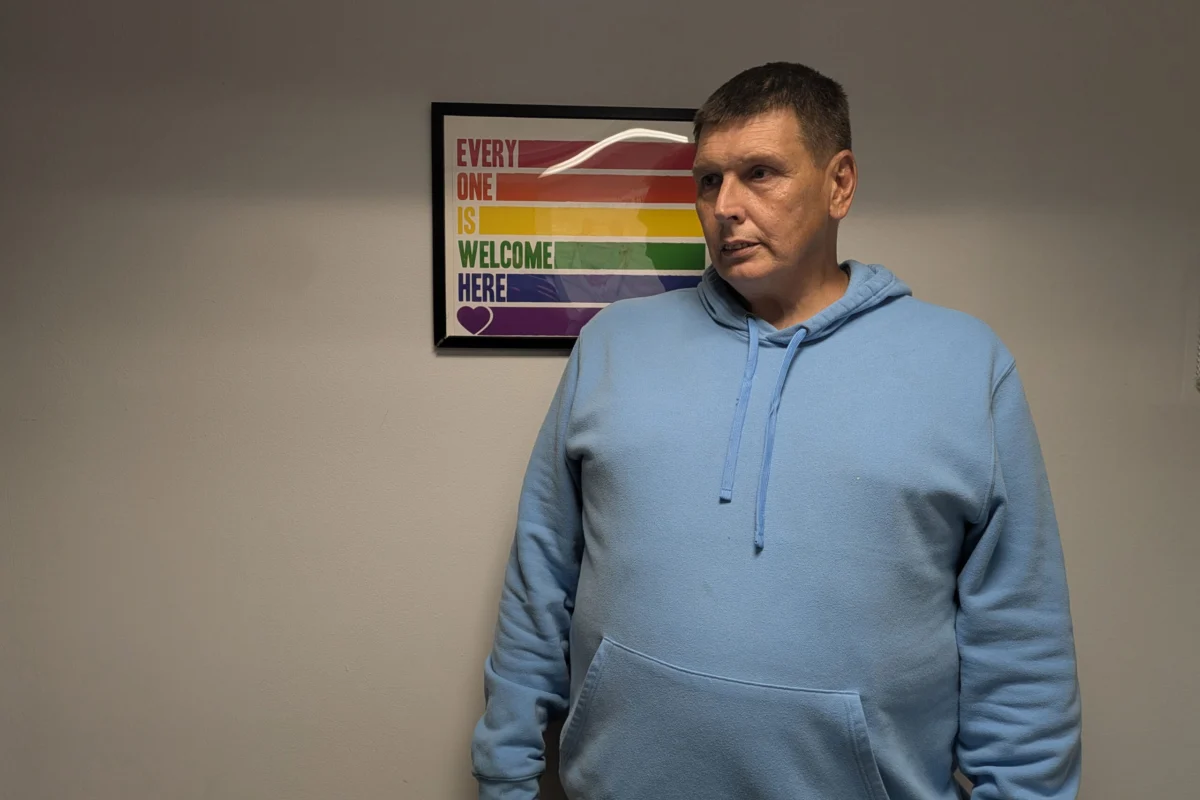
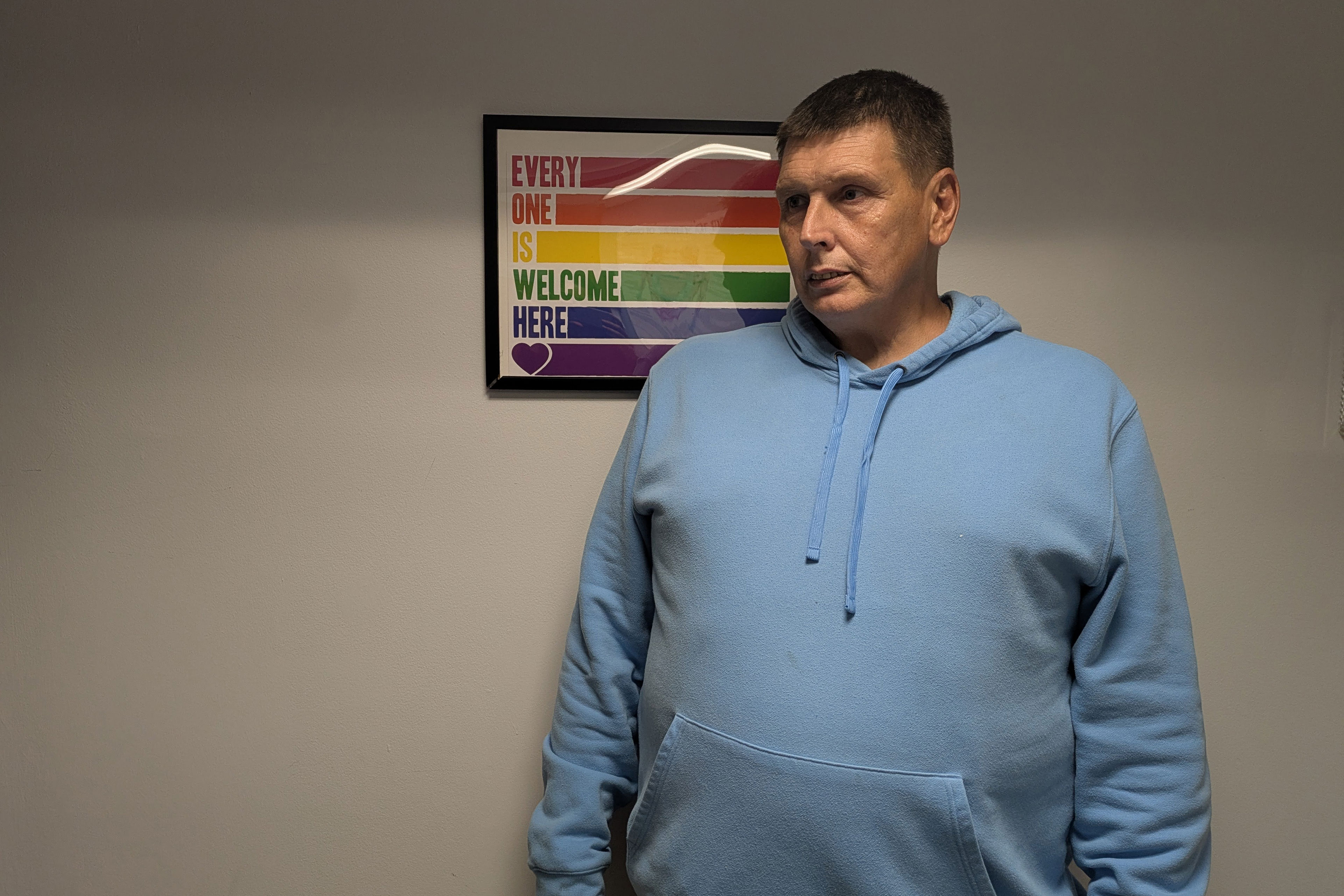
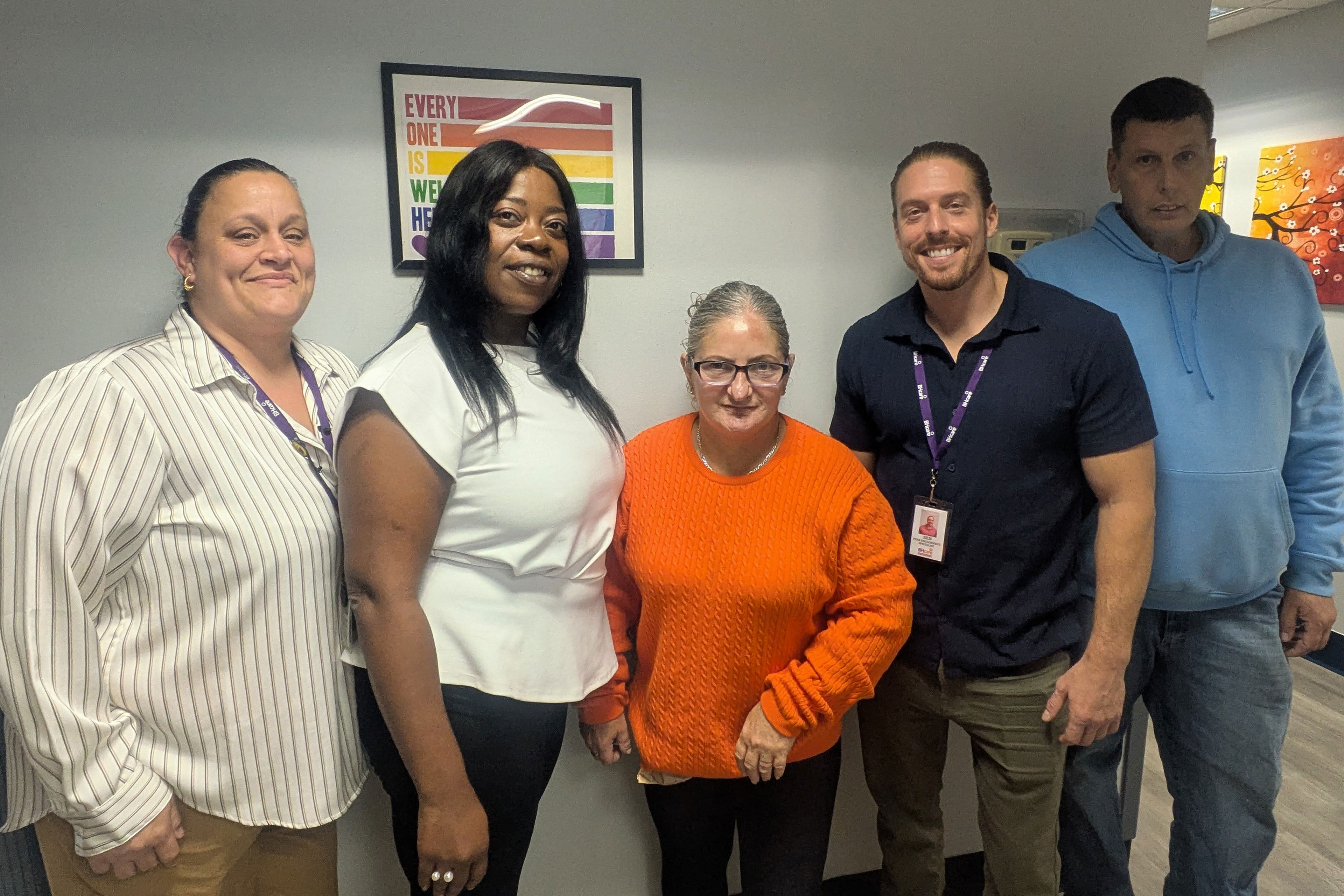
Jason Fazekas, a 49-year-old resident of East Haven, Connecticut, embodies the transformative power of stable housing. For decades, his life was a cycle of homelessness and incarceration, fueled by a heroin addiction that dictated his every move. Rainy days meant seeking shelter in stairwells, and winter mornings brought the agony of frostbitten fingers. This stark reality has been replaced by a newfound sense of stability and hope since he moved into his own one-bedroom apartment in September. "I never knew what it was like to have your own apartment, to live on your own, until this," Fazekas shared, reflecting on his journey. Now, he actively participates in a daily treatment program and virtual "Sober at Seven" meetings, finds fulfillment in simple tasks like preparing meals, and engages in occasional odd jobs. His commitment to recovery is evident in his disciplined routine, often retiring by 8:30 PM, a stark contrast to his former life. Celebrating nine months of sobriety in October, Fazekas describes his current life as "the best thing in the world."
Fazekas’s successful transition is a direct result of Connecticut’s "Housing Empowering Recovery from Opioids" (HERO) program. This initiative, funded with approximately $58.6 million from opioid settlement allocations, is designed to provide a critical lifeline to individuals battling substance use disorders. The program offers a comprehensive support system, including rental vouchers to secure housing, dedicated case managers to guide participants through the complexities of finding and maintaining a home, and financial assistance for essential move-in costs such as security deposits and basic furnishings. This holistic approach acknowledges that stable housing is not merely a roof over one’s head, but a fundamental prerequisite for sustained recovery.
The allocation of opioid settlement funds to housing initiatives is a growing trend across the United States. According to a comprehensive analysis by KFF Health News, the Johns Hopkins Bloomberg School of Public Health, and Shatterproof, a national nonprofit dedicated to addiction advocacy, state and local governments invested over $340 million in housing-related programs in 2025 alone. While many of these initiatives, like Connecticut’s HERO program, are directly aimed at assisting those most profoundly impacted by the opioid epidemic, a significant portion of these funds are being directed towards broader homelessness services, raising alarms among experts and advocates.
The sheer scale of the opioid crisis, which has claimed over one million lives in the United States since 2000, underscores the urgency of effectively deploying the estimated $60 billion in settlement funds expected over the next two decades. While some spending guidelines exist, the broad discretion afforded to state and local governments, coupled with a perceived lack of robust oversight and transparency, creates a fertile ground for the potential misdirection of these vital resources. KFF Health News and its partners have taken a proactive stance by meticulously tracking these expenditures, compiling a database of over 17,500 reported uses of settlement funds in 2025 to illuminate the flow of this critical financial aid. Of the approximately $3.7 billion publicly reported as spent or committed last year, housing initiatives, encompassing permanent housing solutions, temporary recovery housing, and assistance with navigating social services, accounted for about 9% of the total.
The potential for housing to serve as a cornerstone of addiction recovery is widely recognized by public health researchers, recovery advocates, and families grappling with the devastating consequences of addiction. Stable housing can provide the necessary foundation for individuals to engage with treatment services, thereby significantly enhancing their prospects for long-term recovery. Furthermore, these settlement funds offer a crucial element of flexibility at a time when federal policies, such as those under the Trump administration, have expressed opposition to providing federal funds for housing individuals before they achieve sobriety, despite a growing body of evidence supporting the efficacy of "Housing First" models.
However, a significant concern arises from the potential for a blurring of lines between general homelessness initiatives and those specifically targeting individuals with substance use disorders. As jurisdictions confront escalating rates of homelessness and public pressure to address visible encampments, there is a risk that opioid settlement dollars could be diverted to initiatives that primarily aim to reduce the visibility of homelessness, with minimal or no direct connection to addiction treatment or recovery. Dan Kelly, who previously worked in housing and homelessness initiatives and now guides local governments on settlement spending at the Michigan Association of Counties, emphasizes the critical importance of maintaining this connection. "The most important piece of investing settlement dollars is maintaining that connection to opioid remediation and the populations impacted by opioid use disorder," Kelly stated.
In Connecticut, eligibility for the HERO program is strictly contingent on a verified substance use disorder, ensuring that funds are directed toward the intended population. This targeted approach stands in contrast to other locales where the connection to addiction is less explicit. For instance, New Brunswick, New Jersey, allocated $520,000 of its settlement funds to "homeless services." While these services may offer valuable support to the general homeless population, recovery advocates argue that without a specific focus on individuals with substance use disorders, these funds may not effectively address the overdose crisis, potentially undermining the spirit of the settlements.
When questioned about the specific services funded and their relation to addiction, a city spokesperson for New Brunswick offered a general statement that settlement money was used to "support staff and services who actively engaged with the homeless population addressing ongoing assistance, prevention and drug addiction programs," while also providing a link to the city’s community services website, which did not explicitly mention addiction. A report to the state indicated the funds were for "budgetary offsets and allocations" within the Department of Human and Community Services. This lack of specificity fuels concerns among recovery advocates who have long feared that governments might use opioid settlement money to replace existing taxpayer-funded services rather than augment them or create new, targeted programs.
Another example of this blurred line can be observed in Louisville, Kentucky, where over $1 million in settlement funds were directed to Goodwill’s "Another Way" program. This initiative aims to reduce panhandling by engaging individuals experiencing homelessness in temporary work, such as litter cleanup, for which they are paid $50 plus lunch. While participants are connected to Goodwill’s broader resources, including housing, job training, and treatment, they are not screened for substance use disorders. In 2025, the program served approximately 1,800 individuals, with around 270 securing full-time employment and 240 connecting with treatment. However, the program’s broad eligibility criteria mean that a significant portion of participants may not have a substance use disorder.
A spokesperson for Louisville Mayor Craig Greenberg defended the investment, stating that the city has invested in "proven programs that show positive impact and results" and that "Another Way" provides a "data-proven pathway to treatment, housing, and employment." The spokesperson further justified the connection to addiction by noting that "overdose is the number one cause of death for unhoused people." However, Brittany Morris of Vocal-KY, a nonprofit advocating for policies addressing the overdose crisis and poverty, expressed skepticism. "Another Way ‘helps people that are on the streets,’ said Morris, ‘But do I feel like it’s related to the opioid crisis? That’s basically implying every homeless person is a drug addict hooked on heroin.’"
The relationship between homelessness and addiction is often assumed to be monolithic, yet research points to a more nuanced reality. A comprehensive study published last year, utilizing data from California, found that less than half (37%) of homeless individuals reported regular illicit substance use in the prior six months, and a quarter had never used drugs. Margot Kushel, a co-author of the study and director of the University of California-San Francisco Benioff Homelessness and Housing Initiative, stated, "Most people who are homeless do not have an addiction. And most people who have addictions are not homeless." While the two issues are interconnected, the connection is not as direct or universal as commonly perceived. The study also revealed that 23% of individuals began using illicit drugs regularly only after becoming homeless, suggesting that the trauma of living on the streets can lead to self-medication as a coping mechanism. This complexity underscores why channeling settlement funds into general homelessness services may not effectively address the core issues of the addiction crisis.
For individuals with direct experience of addiction, the focus on programs that prioritize housing as a fundamental step toward recovery is paramount. Dominic Sitz, who experienced homelessness for years in Louisville, found stability through the Arthur Street Hotel, a transitional housing initiative that specialized in assisting individuals with mental illness and substance use disorders. "It made me feel human again," Sitz said of his housing experience. He described the profound sense of safety he felt upon entering his apartment, even sleeping on the tile floor for the first 48 hours, a testament to the emotional relief of having a secure space. The Arthur Street Hotel, which housed over 400 individuals, ultimately closed due to funding shortfalls. Sitz, now in his fourth year of recovery, wishes that opioid settlement funds had been directed towards such targeted initiatives rather than programs like "Another Way." While "Another Way" provides valuable support, its lack of specific targeting towards addiction means it may not be the most effective use of funds intended to combat the opioid crisis. Furthermore, some recovery advocates note that the program’s work assignments, such as cleaning up street encampments, can be retraumatizing for participants who may have personal connections to those residing in the encampments.
Sharon Allgeier, senior manager of homeless initiatives at Goodwill Kentucky and the creator of "Another Way," stated she has not encountered issues with participants feeling traumatized by encampment cleanups, asserting, "They’re happy to do the work." Danny Walker, a participant in "Another Way," credits the program with helping him secure housing and reconnect with his grandchildren after years of substance use and homelessness. He now holds part-time jobs and expresses a renewed sense of self-worth.
Despite the challenges in ensuring precise allocation, housing programs like the one in Connecticut, though costly, are widely considered by homelessness and addiction experts to be more likely to yield long-term reductions in the opioid crisis. Research also indicates that such programs can lead to cost savings over time by reducing expenditures on healthcare, judicial systems, and social welfare services. The Connecticut HERO program, funded at $14.25 million annually for four years, aims to support up to 500 individuals with rental vouchers, case management, peer support specialists, and funds for essential move-in costs. An additional $400,000 annually is allocated to the University of Connecticut for program evaluation. As of mid-September, approximately 170 individuals had secured housing through the program, with another 180 actively searching. Fazekas, who hopes to remain in his apartment permanently, expressed the profound impact of this support: "When I was homeless and using drugs, I didn’t love myself. I didn’t care how my day went," he said. "But this program makes me want to live better." The program has also facilitated a reconnection with his siblings, enabling him to express his love for them, a small but significant indicator of his revitalized life.
