
"Cancer care is a marathon, not a sprint. Success with personalized immune cell therapy lies not in a single intervention, but in a long, carefully sequenced discipline that considers the whole patient and their unique biological landscape."
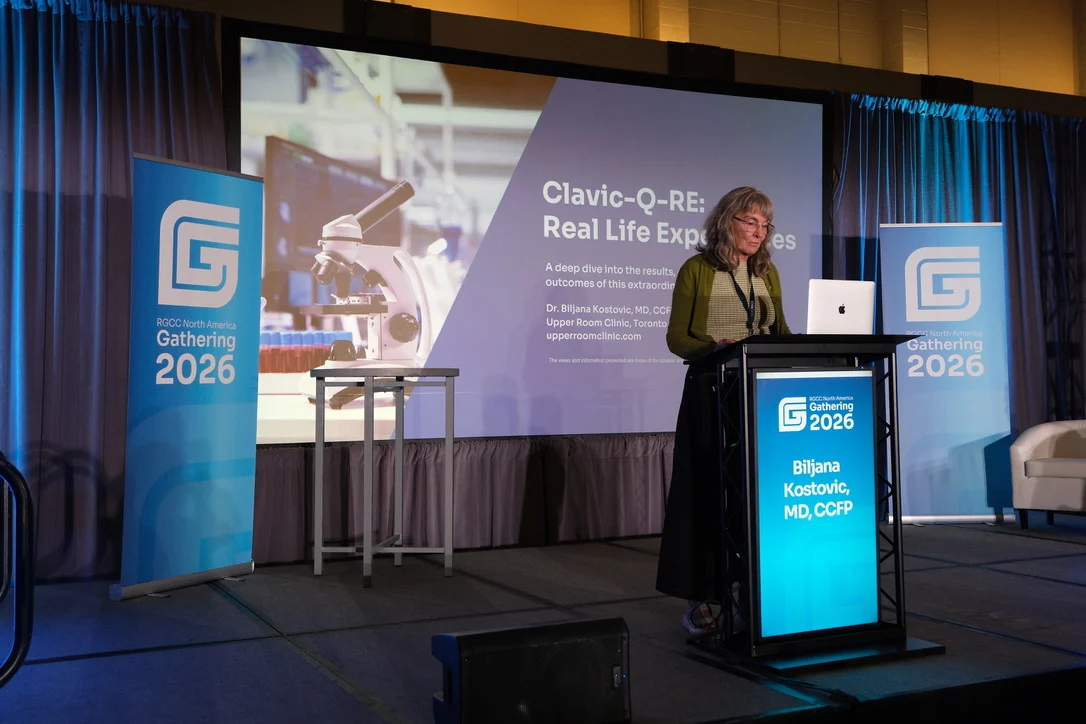
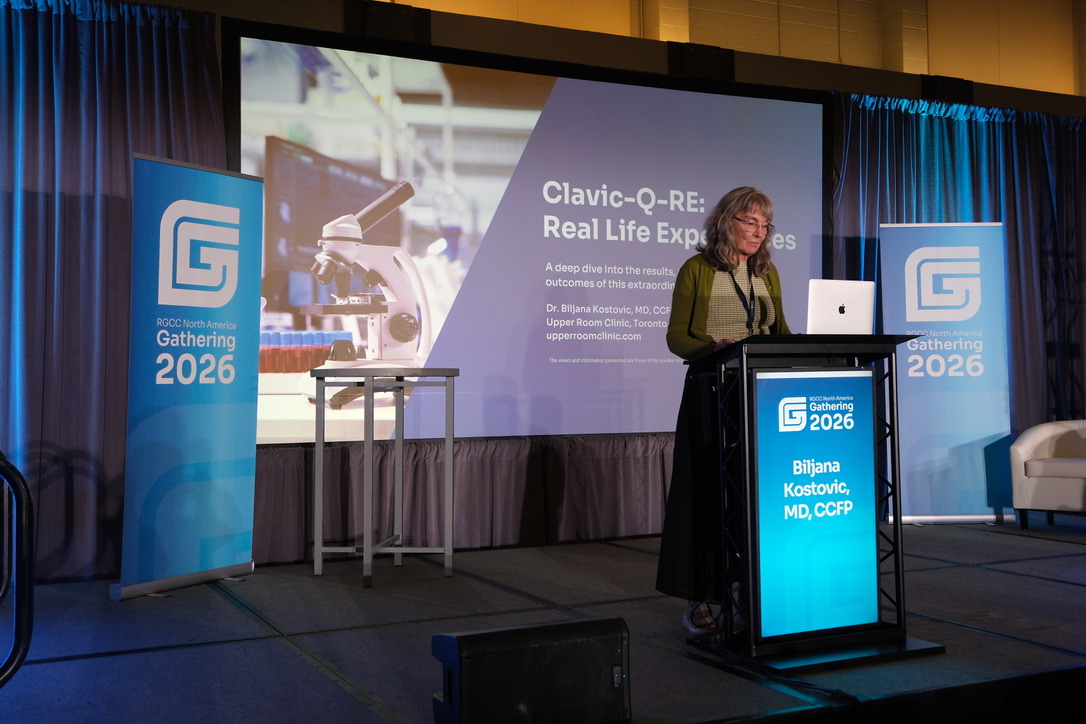
This powerful assertion by Dr. Biljana Kostovic, a prominent Toronto physician, reframes the application of advanced personalized cancer treatments. As practitioners increasingly gain access to innovative therapies like RGCC’s Clavic-Q-RE, the critical question shifts from can we offer it, to how and when does it truly make a difference for a patient? Dr. Kostovic, speaking at RGCC’s November conference in Denver, presented a compelling case for a nuanced, multi-faceted approach, drawing on years of real-world data from her co-founded Upper Room Clinic. Her message underscores that optimal outcomes are achieved through a strategic, longitudinal journey, integrating advanced diagnostics with a deep understanding of the patient’s overall health and immune system dynamics, rather than viewing it as a standalone solution.
Navigating the Frontier of Personalized Cancer Care
The landscape of cancer treatment is rapidly evolving, with personalized immune cell therapies emerging as a beacon of hope for patients seeking more tailored and potentially effective options. Research Genetics Cancer Centre’s (RGCC) Clavic-Q-RE, an investigational therapy that utilizes a patient’s own immune cells, exemplifies this frontier. However, the integration of such sophisticated treatments into clinical practice necessitates a robust framework for decision-making. Dr. Biljana Kostovic, a family physician with extensive experience in pain management and functional medicine, has been at the forefront of this integration since 2020. Her presentation, "Clavic-Q-RE: Real Life Experiences," delivered at RGCC’s Denver conference, offered invaluable insights gleaned from her work at the Upper Room Clinic, which she co-founded in 2018 and has since expanded to two locations in Toronto and Oakville.
Dr. Kostovic’s core thesis is that personalized cancer care, particularly with advanced immune cell therapies, thrives not as an isolated event, but as a sustained, meticulously orchestrated discipline. This approach emphasizes a long-term perspective, acknowledging that true efficacy often stems from a carefully sequenced series of interventions and a comprehensive understanding of the patient’s unique biological context. Her presentation focused less on the technical intricacies of Clavic-Q-RE itself, and more on the critical strategic thinking required for its successful application: identifying the ideal patient candidates, determining the optimal timing for intervention, and rigorously assessing treatment efficacy over time.
Clavic-Q-RE: A Closer Look at the Therapy
Clavic-Q-RE is a personalized immune cell therapy developed by RGCC. The process begins with the isolation of a small number of the patient’s immune cells from a blood sample. These cells are then meticulously expanded and activated in RGCC’s specialized laboratory environment. Following this preparation, the activated immune cells are administered back to the patient through a series of three intravenous infusions, typically administered two weeks apart. It is crucial to note that Clavic-Q-RE is an investigational therapy and is not considered standard of care in current oncology practice. Dr. Kostovic integrates this therapy as a complementary option alongside a patient’s established oncology care, rather than as a replacement for conventional treatments.
The Pillars of Informed Decision-Making
Dr. Kostovic’s clinical philosophy is built on a foundation of comprehensive assessment, rejecting the notion that any single data point should dictate a treatment decision. Before even considering immune cell therapy, she emphasizes a holistic evaluation of the patient. This begins with a thorough assessment of their functional status, utilizing established performance scales to gauge their overall well-being and capacity. This is followed by a detailed analysis of trends across their complete bloodwork, looking beyond isolated values to understand the broader physiological picture. Imaging studies, such as CT scans or MRIs, are also integral to this initial assessment.
Complementing these conventional diagnostic tools are two key baseline tests from RGCC: Oncotrace and Immune-Frame. Oncotrace is designed to monitor circulating tumor cells (CTCs), which are cancer cells that have detached from the primary tumor and entered the bloodstream. Elevated CTC counts can be indicative of metastatic potential. Immune-Frame, on the other hand, provides a detailed profile of the patient’s immune system, assessing its various components and their functional status.
The Interplay of Data: A Multifaceted Picture
Dr. Kostovic stresses that cancer care is inherently complex, and informed decision-making hinges on the synthesis of multiple data streams. For example, while a high count of circulating tumor cells detected by Oncotrace can be a significant marker for potential metastatic disease, it must be considered in conjunction with other findings. A patient might have a high CTC count, yet their tumor burden as visualized on imaging may still be too extensive to safely proceed with an immune-modulating therapy. Conversely, a low CTC count might exist alongside substantial disease evident on scans. The variability in patient outcomes, even with similar biological markers, highlights the need for a nuanced interpretation of data.
When discrepancies arise between different diagnostic modalities, Dr. Kostovic advocates for a deeper dive. This might involve scrutinizing imaging reports for subtle details or even requisitioning new scans if the data suggests a significant, uncaptured change in the disease state. Her guiding principle, "Look at the whole picture. There is no one value that decides," encapsulates this commitment to a comprehensive and integrated approach to diagnostic interpretation.
A Structured Approach: Assess, Decide, Then Draw
The same methodical logic that guides diagnostic interpretation extends to the sequencing of treatment decisions. Recognizing that personalized therapies are manufactured specifically for an individual patient once a sample is obtained, Dr. Kostovic advocates for a clear separation between assessment and commitment. Her clinic’s established protocol involves conducting baseline testing first, followed by a thorough review of the results, a clear and shared decision-making process with the patient, and only then proceeding with the blood draw for therapy. This deliberate order, honed through practical experience, is presented as a core lesson for fellow practitioners. "Results first, then decide, then draw," she emphasizes, underscoring the importance of informed consent and a clear understanding of the therapeutic plan before initiating the manufacturing process.
This structured approach allows for critical decision points where intervention might be strategically delayed. Factors such as large, active disease burden in vital organs like the lungs or liver, significant systemic inflammation, or a patient being too frail to tolerate treatment can all necessitate a pause or a shift in focus to address other critical health issues first. Dr. Kostovic posits that understanding when to say "not yet" is as crucial to the effective utilization of personalized therapies as knowing when to proceed.
Decoding the Immune System: Activation and Regulation
Perhaps the most distinctive element of Dr. Kostovic’s framework lies in her sophisticated interpretation of the immune system’s dynamics over time. The Immune-Frame test provides insights into two critical types of immune signals: markers of immune activation, including the signals used by dendritic cells to present cancer antigens to other immune cells, and markers of regulatory T cells (Tregs). Tregs play a vital role in immune homeostasis by acting as the "brakes" of the immune system, preventing it from overreacting and attacking healthy tissues.
Most patients presenting for advanced cancer therapies often exhibit a profile that reads as immune-suppressed. Dr. Kostovic, however, does not view this alone as a disqualifying factor. Instead, she focuses on the underlying details of this suppression and, crucially, how these immune markers change in response to treatment.
Her patient data provides a compelling illustration of these dynamics in practice. Among patients who underwent repeat Oncotrace testing at approximately 120 days post-treatment, a significant reduction in circulating tumor cell counts was observed in 11 out of 15 treatment courses. The remaining four courses showed counts that remained essentially steady. Notably, the most substantial decreases in CTCs were seen in patients who initially presented with higher counts, suggesting a potentially more responsive tumor microenvironment.
Furthermore, in a cohort of six patients receiving their first course of therapy, markers of immune activation showed a marked increase. Before treatment, these markers ranged from 0 to 5 percent; by day 120, they had risen to between 11 and 15 percent. In a subset of four patients retested at day 210, this trend continued, with immune activation markers climbing further to between 16 and 23 percent. Crucially, all infusions were reported as well-tolerated, indicating a favorable safety profile. It is important to reiterate that these figures are derived from a small clinical series and are best understood as one component of a broader clinical picture, rather than definitive evidence from a controlled trial.
Sustaining the Response: Monitoring and Re-intervention
Following treatment, Dr. Kostovic’s focus shifts to monitoring for the sustained activation of the immune system and the development of immune memory, while also keeping a close watch on the "brakes" – the regulatory T cells. In her experience, immune memory can persist for years, but the regulatory T cell activity may gradually return. This gradual resurgence of immune suppression, rather than a fixed treatment schedule, is what prompts her to consider further therapeutic interventions. She also actively investigates the underlying reasons for this return of immune "brakes."
Dr. Kostovic also expresses a preference for initiating or continuing treatment when the disease is stable. She recounted the case of a patient diagnosed with stage IV prostate cancer in 2019. This individual maintained strong immune activation for over two years before experiencing a gradual increase in Treg activity. A subsequent course of therapy was administered, and alongside his ongoing hormone therapy and other treatments, his circulating tumor cell count reached its lowest point to date. At 79 years old, he remains active, working and enjoying walks with his dog, a testament to the potential for long-term management and quality of life.
A Marathon Mentality: Long-Term Management and Terrain Optimization
The "marathon, not a sprint" philosophy extends to how Dr. Kostovic prepares her patients for the long journey of cancer management. She often frames cancer as a chronic disease, requiring sustained management over years, and encourages other practitioners to set this expectation from the outset. "Communicate to your patients that cancer care is a marathon," she advises.
Once the cancer is brought under control, Dr. Kostovic’s attention turns to what she terms the "terrain" – the patient’s internal environment. This encompasses a comprehensive approach to optimizing gut health, addressing chronic infections, identifying and mitigating heavy metal and mold toxicity, and attending to emotional and spiritual well-being. These elements are not viewed as ancillary but as integral components of the healing process, aimed at re-establishing the conditions that empower the immune system to maintain cancer remission.
Honesty and Transparency: Navigating Limitations
The long-term perspective also necessitates an honest acknowledgment of the therapy’s limitations. Dr. Kostovic candidly stated that not all patients achieve favorable outcomes. Individuals presenting with a very high tumor burden, significant systemic inflammation, and a profoundly suppressed immune system face considerably greater challenges. Her approach, however, is not to exclude these patients but to engage in transparent and candid conversations about the odds and potential challenges. She firmly believes that every patient deserves a frank discussion about their prognosis and the realistic expectations before agreeing on a treatment plan.
Further information regarding the Upper Room Clinic and its approach to integrative cancer care can be found at https://upperroomclinic.com/.
