
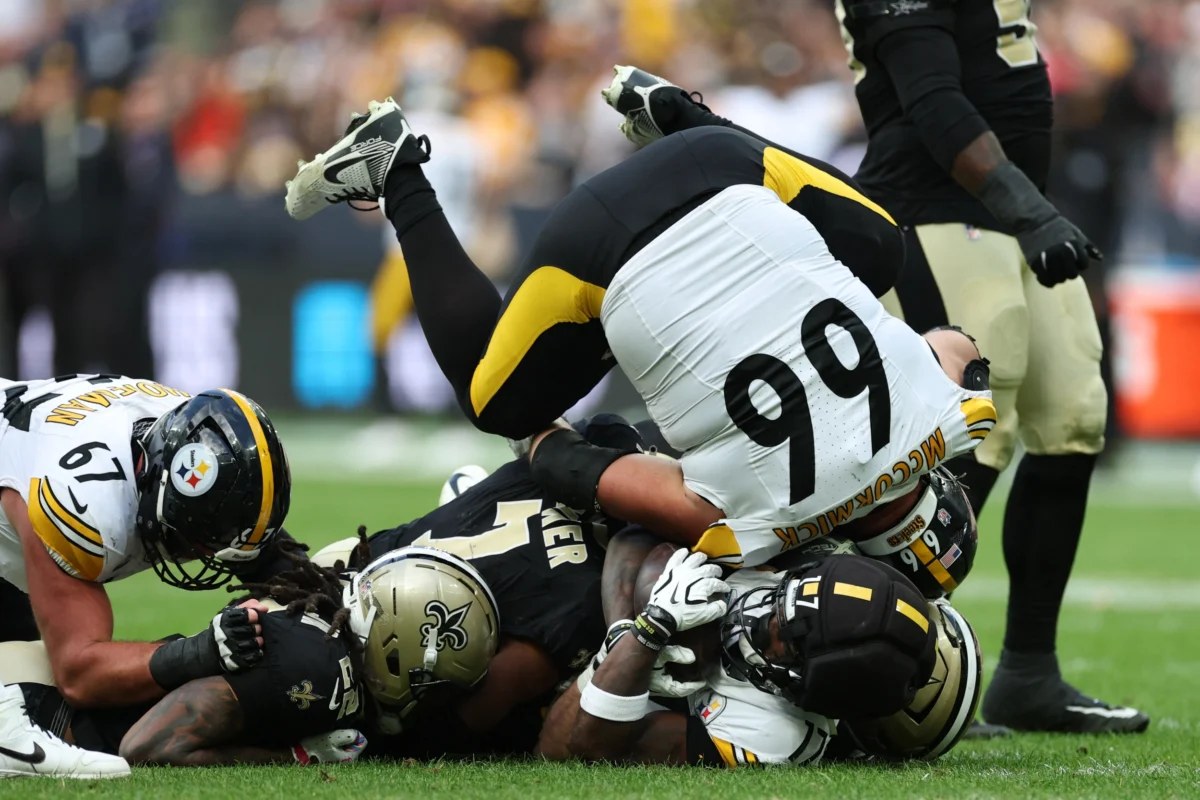
"This landmark study transforms an abstract risk into a tangible concern for countless families, suggesting that the cognitive and behavioral challenges experienced by loved ones are tragically common, not rare anomalies."
A groundbreaking statistical estimate from researchers at Boston University, Mass General Brigham, and the Concussion & CTE Foundation indicates that an alarming 74.5% of former NFL players who died between 2008 and 2023 likely had Chronic Traumatic Encephalopathy (CTE). This figure, published in JAMA Network Open, is a significant projection based on analyzing death records and donated brain tissue, aiming to represent the prevalence of CTE across the entire population of deceased professional football players during that period. CTE, a progressive neurodegenerative disease linked to repeated head trauma, can only be definitively diagnosed post-mortem. The study tackles the inherent challenges of estimating prevalence when direct diagnosis is limited, offering a stark glimpse into the long-term neurological consequences of playing professional football.
The study’s findings paint a concerning picture of the neurological health of former professional football players, estimating that a substantial 74.5% of those who died between 2008 and 2023 likely suffered from CTE. This figure is a sophisticated statistical projection, not a direct count of confirmed diagnoses, due to the fundamental limitation that CTE can only be definitively identified through post-mortem examination of brain tissue. Researchers meticulously combined data from donated brains with comprehensive death records to construct this estimate, attempting to account for the factors that might skew the perceived prevalence of the disease. The study, published in JAMA Network Open, represents a significant step forward in understanding the widespread impact of head trauma in professional football.
The Challenge of Estimating CTE Prevalence
A primary hurdle in accurately determining the prevalence of CTE among former NFL players is the inherent selection bias associated with brain donation. Families who observe significant cognitive, behavioral, or mood changes in their loved ones—symptoms often associated with CTE, such as memory loss, confusion, depression, or aggression—are understandably more likely to opt for brain donation for research. This natural inclination means that the pool of donated brains may not be representative of all deceased players, potentially inflating the observed CTE rate.
In the cohort of donated brains analyzed in this study, an overwhelming 94% of the 387 individuals examined showed signs of CTE. This high percentage, while indicative of a severe problem, requires careful adjustment to reflect the broader population of deceased players. The researchers astutely identified that individuals exhibiting cognitive symptoms were approximately five times more likely to have their brains donated for study. By incorporating this crucial ratio into their statistical modeling, they were able to adjust the prevalence estimate downward to the projected 74.5% for all deceased former players in the specified timeframe.
Even with conservative assumptions, co-author Yorghos Tripodis, a professor of biostatistics at Boston University, emphasized that the estimated prevalence of CTE "does not go below 60%." This robust lower bound underscores the profound impact of repeated head trauma in professional football. Furthermore, the study estimated that 27.2% of former players experienced dementia during their lifetimes, a figure the researchers acknowledge likely underestimates the true extent of cognitive decline.
This latest research refines the findings of a broader range previously established by a study published in The BMJ in August, which also involved many of the same researchers. That earlier study, relying solely on brain donors from 2016 to 2021, had suggested a CTE prevalence for deceased former players ranging from a minimum of 24.5% to as high as 97.7%. The new estimate, by incorporating a larger dataset and a more sophisticated statistical approach to correct for donation bias, provides a more focused and concerning picture.
Understanding the Evidence: What the Study Can and Cannot Show
It is crucial to understand the limitations of this observational study. The findings are based on statistical modeling, post-mortem brain examinations, and death records, not on comprehensive brain exams of every former NFL player. Consequently, the study cannot pinpoint the exact number of head impacts or seasons of play that lead to CTE in any individual. Moreover, it does not offer an estimate of how many living or active players currently have the disease, as CTE diagnosis is not yet possible in vivo.
The accuracy of the 74.5% estimate is contingent on the assumption regarding the increased likelihood of brain donation from symptomatic families. Any inaccuracies in this ratio could lead to shifts in the overall estimate. This is precisely why the researchers reported a conservative floor, acknowledging the inherent uncertainties in the projection.
The implications of this study stand in stark contrast to the prevalence of CTE in the general population. Lead author Julia Gallini, a doctoral candidate at the Boston University School of Public Health, pointed out that CTE is "consistently found in less than 1% of donors to community brain banks." The estimated 75% prevalence among deceased NFL players is therefore profoundly concerning. Gallini stressed the urgent need for further research to develop methods for diagnosing CTE during life, provide better support for affected families, and devise effective treatments for related symptoms.
Dr. Ann McKee, director of the Boston University CTE Center, unequivocally stated that the estimate confirms "football played at the professional level is a real risk for this disease." She further emphasized that CTE is "a preventable disease," a sentiment echoed by many in the medical and research communities. While the research group behind the brain bank is highly reputable, the scientific community will keenly await independent replication of these findings by other research teams to further solidify the conclusions.
In response to the ongoing concerns and research, the NFL has stated its commitment to making the game safer, citing implemented rule changes, concussion-reduction initiatives, and the development of protective equipment like Guardian Caps. The NFL Players Association has also acknowledged the critical role of studies like this in advancing the understanding of the long-term health consequences of playing professional football.
Navigating the Future: What Former Players and Families Can Do
It is important to reiterate that this statistical estimate specifically pertains to deceased professional football players. It does not directly apply to individuals who played football only at the high school or college level. However, the findings have profound implications for the millions of men who have played the sport. "More than 20 million men alive today in the US have played football," noted Yorghos Tripodis, highlighting the vast number of individuals who may be at risk.
While CTE cannot be definitively diagnosed in living individuals, many of the symptoms associated with it, such as memory loss, confusion, depression, mood swings, and impulsive behavior, can be identified, evaluated, and often managed. Former players or their family members who observe these changes should consult a primary care physician. A referral to a neurologist or a memory clinic can help identify the cause, as similar symptoms can stem from treatable conditions like sleep apnea, depression, or medication side effects.
For individuals experiencing suicidal thoughts or engaging in self-harm, immediate support is available through the 988 Suicide and Crisis Lifeline, which can be reached by calling or texting 988. Sudden confusion, severe headaches, or unilateral weakness require urgent medical attention and should be treated as emergencies.
Dr. McKee suggests that lowering the risk of CTE can be achieved by delaying the age at which children begin playing tackle football and by minimizing head impacts overall, regardless of whether they result in a diagnosed concussion. Parents of young athletes are encouraged to inquire about their child’s team’s policies regarding limits on full-contact practice and their concussion protocol for returning to play. Former NFL players can access support resources through programs like the NFL Lifeline and the NFL Players Association’s initiatives.
Researchers are actively pursuing the development of diagnostic tests that could detect CTE in living individuals. Such advancements would significantly empower families to plan for care and make informed decisions. For the present, the evidence strongly suggests that CTE is a widespread condition among former NFL players who have died, with the precise prevalence remaining an estimate fraught with some degree of uncertainty but pointing towards a significant public health concern.
Key Questions Answered
- What did the study estimate? The study estimated that approximately 74.5% of former NFL players who died between 2008 and 2023 likely had CTE.
- Is this a count of diagnosed cases? No, this is a statistical estimate derived from analyzing donated brain tissue and death records. Among the 387 donated brains studied, 362 showed signs of CTE.
- How did researchers adjust for donation bias? They estimated that players with cognitive symptoms were about five times more likely to donate their brains for research and used this ratio to adjust the prevalence rate for the broader population of deceased players.
- Can CTE be diagnosed in living people? Currently, CTE can only be definitively diagnosed by examining brain tissue after death.
- Does this apply to youth or college players? No, this estimate specifically covers deceased professional football players.
- What should families do if they notice symptoms associated with CTE? Families should consult a doctor for evaluation by a neurologist or memory clinic, as many symptoms can be caused by treatable conditions.
