
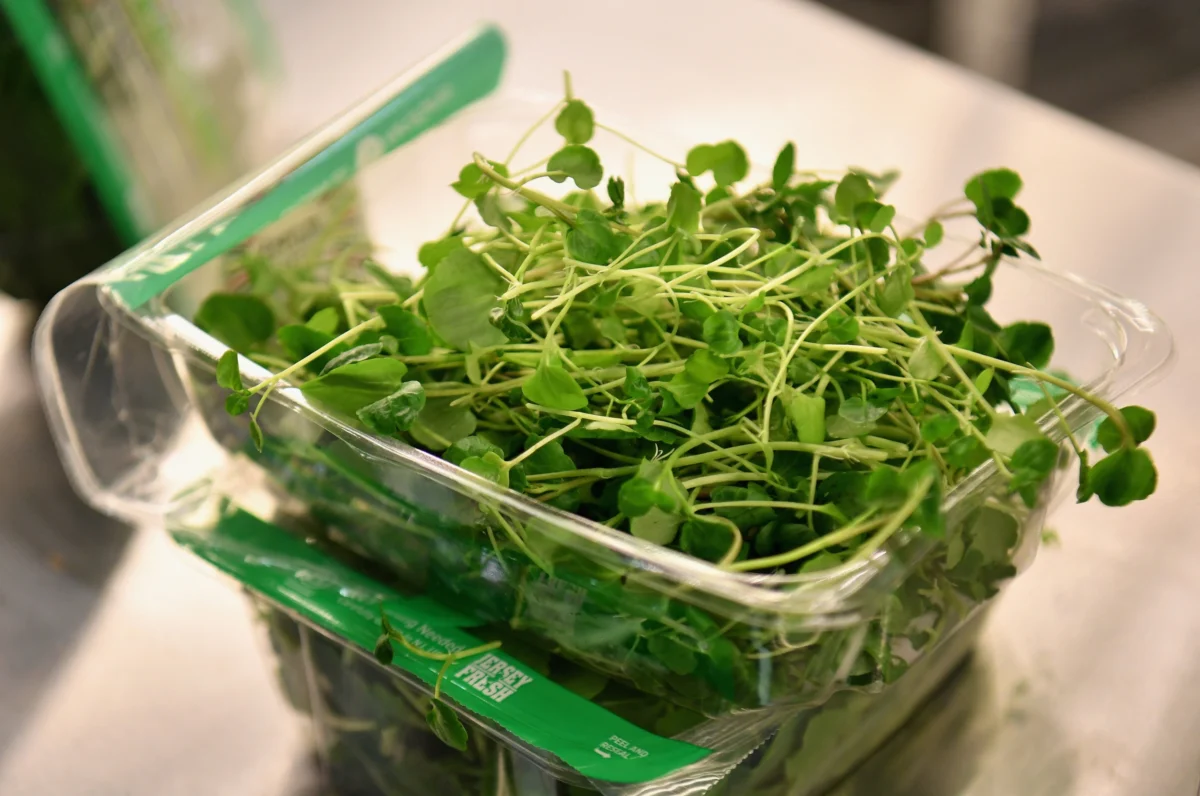
"A single batch of alfalfa sprouts has triggered a national health alert, revealing a complex outbreak involving both E. coli and Salmonella, underscoring the inherent risks of raw sprouts and prompting a widespread recall to protect public health."
The scope of a foodborne illness investigation initially confined to two states has dramatically expanded, escalating into a national concern with significant implications for consumers across the United States. The Centers for Disease Control and Prevention (CDC) has now confirmed 55 individuals have fallen ill in 15 states, a substantial increase from the approximately 40 cases previously reported by state health departments. This surge in confirmed illnesses has coincided with a voluntary recall by the Minneapolis-based grower, Everything Sprouts, which is at the epicenter of the investigation. The recall now covers five-ounce containers of alfalfa sprouts distributed since May 27, a formal action that followed an earlier, less definitive warning to avoid consuming the product.
The dual nature of the pathogens involved—Shiga toxin-producing E. coli (STEC) and Salmonella—is a distinguishing characteristic of this outbreak, presenting a more complex diagnostic and symptomatic picture for affected individuals. Federal officials report that a significant majority of the confirmed cases, 46 in total, are attributed to STEC. Seven individuals have been infected with Salmonella, and notably, two people have contracted both pathogens. This distribution highlights that while early reports may have focused on Salmonella, STEC is the predominant bacterial strain identified in this cluster of illnesses. The federal investigation has pinpointed specific serotypes: three strains of E. coli (O26:H11, O103:H25, and O168:H8) and one strain of Salmonella (Salmonella Agona).
While multi-pathogen outbreaks are not unprecedented, the CDC notes they are less common than single-organism events. The agency has previously investigated such clusters, including a 2019 outbreak of gastrointestinal illnesses linked to oysters. In this current alfalfa sprout investigation, both STEC and Salmonella have been directly associated with the same implicated product. Illness onset dates range from May 31 to August 8, suggesting a sustained period of exposure. The confirmed case count is likely an underestimate, as many individuals experiencing mild symptoms recover at home without seeking medical attention or undergoing testing. Of the 34 individuals interviewed so far, a substantial 26 reported consuming alfalfa sprouts prior to falling ill, strongly implicating the product as the source. Four individuals have been hospitalized, though no fatalities have been reported to date.
The elevated risk associated with raw sprouts stems from their unique cultivation process. Sprouts are grown from seeds in warm, humid environments with constant moisture, conditions that are also highly conducive to bacterial proliferation if the initial seeds are contaminated. This inherent vulnerability has led federal health authorities to categorize raw sprouts differently from other fresh produce for decades. Standard washing or rinsing procedures are insufficient to eliminate bacteria that may have multiplied within the sprouts during the germination phase. The only reliable method for significantly reducing the risk of illness from sprouts is thorough cooking. Sprouts have a documented history of being linked to recurrent outbreaks in the United States, including a past Salmonella recall involving an alfalfa grower in Nebraska.
Investigators are currently exploring two primary hypotheses for the contamination source: either the seeds themselves were contaminated at the point of origin, or unsanitary conditions within the sprouting facility contributed to the spread of pathogens. The precise cause in this instance has yet to be definitively established. The implicated grower, Everything Sprouts, has had prior interactions with federal regulators. In March of last year, the Food and Drug Administration (FDA) issued a warning letter to the company following an inspection the previous autumn. This letter cited insanitary conditions in the preparation, packing, or holding of their mung bean, soybean, and green sprout products. While these products are distinct from the alfalfa sprouts involved in the current outbreak, the prior warning letter raises concerns about the company’s overall food safety practices.
Despite the federal findings, Everything Sprouts has stated that its own internal testing did not detect any issues. In their recall notice, the company asserted that daily product testing had not yielded any positive laboratory results during the period of the outbreak. This claim exists alongside, and is superseded by, the epidemiological and traceback evidence gathered by federal investigators, which points directly to the company’s alfalfa sprouts.
The health implications of this outbreak are not uniform, with certain demographic groups facing a significantly higher risk of severe illness. For E. coli infections, the most serious complication is hemolytic uremic syndrome (HUS), a severe form of acute kidney failure. HUS disproportionately affects very young children, typically under the age of five, and older adults. It can necessitate hospitalization and intensive treatments such as dialysis. Symptoms of STEC infection usually manifest within a few days of exposure, but can take up to nine days to appear. These symptoms commonly include severe abdominal cramps, diarrhea that is frequently bloody, and vomiting.
Salmonella infections typically present with symptoms such as diarrhea, fever, and stomach cramps, with an onset period ranging from six hours to six days after exposure. Most individuals recover within four to seven days without requiring specific medical treatment. However, similar to E. coli, young children, adults aged 65 and older, and individuals with compromised immune systems are at a greater risk of developing severe illness from Salmonella.
The reach of this outbreak extends beyond consumers who purchased the recalled sprouts directly from retail outlets. Sprouts are a common ingredient in sandwiches, salads, and other dishes served at restaurants and delis. This means that individuals who dined out may have been exposed to the contaminated product without direct knowledge of its origin. Since diners cannot check product codes or recall notices for restaurant meals, heightened awareness of potential symptoms becomes the primary tool for early detection.
Consumers in possession of the recalled alfalfa sprouts are strongly advised to discard the product immediately or return it to the place of purchase. Following disposal, it is crucial to thoroughly clean and sanitize any surfaces, utensils, or containers that may have come into contact with the sprouts, using hot, soapy water or a dishwasher. Individuals experiencing symptoms of E. coli or Salmonella infection should seek medical attention promptly and consult a clinician rather than attempting self-treatment. Severe symptoms, including bloody diarrhea, a fever exceeding 102 degrees Fahrenheit, persistent vomiting that prevents fluid retention, or clear signs of dehydration, warrant immediate medical evaluation.
The investigation into this multi-pathogen outbreak remains active and is exploring several unresolved questions. The definitive source of the contamination—whether it originated with the seeds or from issues within the sprouting facility—has not yet been determined. Federal agencies are continuing to work towards establishing the full distribution network of the implicated product and are investigating potential links to additional products or other food businesses. The FDA initiated an inspection and sample collection at Everything Sprouts on August 19, prior to the recall announcement, but the results of this work have not yet been made public. State and local health departments are continuing their efforts to interview ill individuals about their dietary histories, a process that often leads to the identification of additional cases in the weeks following initial alerts.
Previously, Medical Daily reported on the initial warnings issued by two state health departments regarding the Calco and Everything Sprouts brands, at a time when no formal recall was in place and approximately 40 illnesses had been documented. The fundamental advice to consumers—to exercise caution and avoid raw sprouts—remains consistent, although the scope of the alert and the nature of the action have significantly evolved. Given the typical lag time between illness onset, diagnosis, and reporting, it is highly probable that the reported case count will continue to rise before stabilizing. Individuals who have become ill in recent days may not yet be reflected in the current totals, underscoring the ongoing and dynamic nature of this public health investigation.
