
"While Allegheny County currently reports zero confirmed resident measles cases, the rapidly escalating statewide outbreak, now exceeding 900 cases across 39 counties, presents an undeniable and imminent threat. This situation underscores the critical importance of proactive school-based vaccination initiatives and highlights the vulnerability of communities with lower vaccination rates, particularly among kindergarten-aged children."
Allegheny County, Pennsylvania, finds itself in a precarious position as a significant measles outbreak continues its relentless spread across the state. As of September 28, 2026, the county has managed to avoid any confirmed resident cases. However, this zero-case status offers little comfort given that the statewide total has surged to an alarming 903 cases, impacting 39 of Pennsylvania’s 67 counties. The geographical proximity of new outbreaks in Jefferson, Mercer, and Indiana counties, along with scattered cases in Armstrong and Westmoreland counties, places these areas directly north and east of Pittsburgh, increasing the potential for transmission into Allegheny County. This evolving public health crisis has prompted a swift and strategic response from local educational institutions and health authorities, prioritizing preventative measures to safeguard vulnerable populations.
The Pennsylvania Department of Health’s most recent update paints a stark picture of the ongoing epidemic. The cumulative case count of 903 is accompanied by 176 hospitalizations and four measles-associated deaths this year alone. Disturbingly, only a small fraction, less than one percent, of these cases occurred in individuals who had been vaccinated, underscoring the highly contagious nature of the virus and the critical role of robust immunity. While the rate of new infections appeared to slow slightly between September 25 and September 28, with 13 new cases reported, this followed a more rapid increase of 55 cases in the preceding three days. This fluctuating pace serves as a reminder that the virus remains actively circulating.
Historically, Lancaster County, home to a significant Amish population, has borne the brunt of the outbreak. However, the virus has demonstrated a concerning westward expansion throughout the summer months. Several counties that are now reporting cases share borders with Allegheny County or are located within an hour’s drive, significantly shortening the potential pathways for the virus to enter the county. This geographical shift has heightened concerns among public health officials, transforming the threat from a distant possibility to an immediate risk.
Allegheny County has already experienced a near miss. In August, a measles outbreak reached a Pittsburgh hospital when an unvaccinated patient from outside the county sought treatment at UPMC Children’s Hospital of Pittsburgh. This incident resulted in exposures to other patients, but thankfully, no subsequent resident cases were reported. This event served as a potent reminder of how quickly the virus can infiltrate community settings, even without a confirmed local infection. The highly airborne nature of the measles virus, which can remain viable in a room for up to two hours after an infected person has left, means that transmission can occur in seemingly innocuous public spaces such as stores, clinics, or school gymnasiums. Symptoms typically appear 7 to 21 days after exposure, and importantly, individuals can be contagious for up to four days before the characteristic rash emerges, making containment challenging.
"We spoke with school nurses about this at the end of last year and at the beginning of this year," Jen Fiddner, the Allegheny County Health Department’s infectious disease epidemiology program manager, stated to WESA. This proactive engagement with school nurses highlights the preparedness efforts underway, aiming to equip educators and health staff with the knowledge and protocols necessary to respond effectively should a case arise.
The primary focus of concern has shifted from whether measles is present in Pennsylvania to the preparedness of individual school communities within Allegheny County. This preparedness is intrinsically linked to local vaccination rates. WESA’s investigation revealed a worrying trend: one in three kindergarteners in Allegheny County attend schools where vaccination rates fall below the critical 95% threshold deemed necessary to establish herd immunity and effectively curb measles transmission. This figure is particularly concerning when compared to the national average, where approximately 4.2% of kindergarteners have vaccination exemptions, a rate lower than Pennsylvania’s approximately 6% exemption rate from the previous school year.
Pennsylvania law permits exemptions from vaccination for medical reasons, as well as for religious beliefs or deeply held moral or ethical convictions. While school districts are generally responsible for vetting these exemptions, the varying levels of scrutiny can contribute to disparities in vaccination coverage. Dr. Amesh Adalja, a Pittsburgh-based infectious disease physician and senior scholar at the Johns Hopkins Center for Health Security, emphasized the importance of stringent school policies. "A good school district policy would be one in which you are really vetting the vaccination rates of your students," Dr. Adalja remarked, underscoring the need for a thorough and consistent approach to assessing and managing vaccination status within school populations. Several local superintendents reportedly declined interview requests from WESA, leaving questions about their specific strategies for addressing this public health challenge.
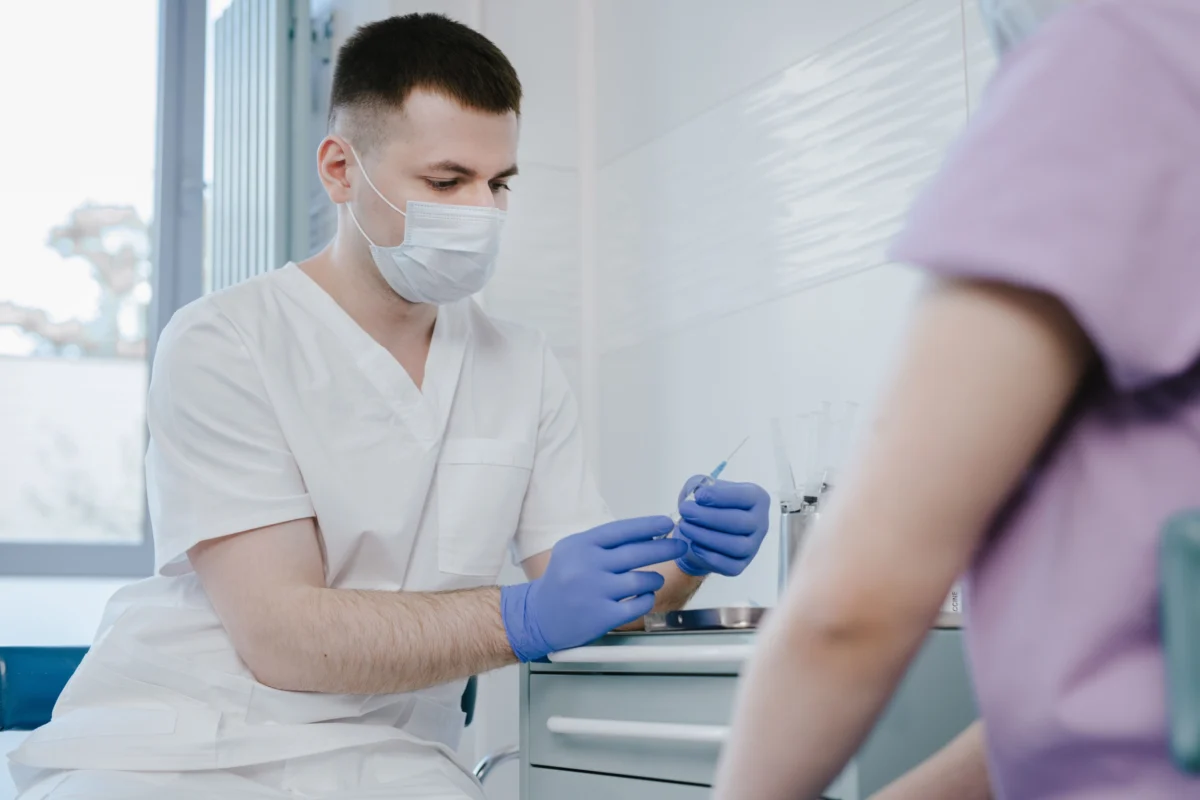
In direct response to the escalating threat, Pittsburgh Public Schools (PPS) has initiated a proactive vaccination program. "Pittsburgh Public Schools is taking a proactive approach to student health and measles prevention by bringing immunization services directly to our students," stated district spokesperson Ebony Pugh. These measles vaccination clinics are scheduled to run through November, offering accessible opportunities for students to receive the MMR (measles, mumps, and rubella) vaccine. The state Department of Health has also been actively engaged, meeting with nearly 1,000 school nurses over the summer. These sessions have focused on preparing schools for potential exposures, outlining procedures for reviewing attendance records, bus routes, and extracurricular activities to identify all individuals who may have come into contact with an infected person.
The individuals at the highest risk of severe complications from measles include those who are unvaccinated or incompletely vaccinated, infants too young to receive their first dose of the vaccine, and students with compromised immune systems who cannot be vaccinated. The state’s data indicates that nearly 20% of individuals who contract measles require hospitalization, a stark reminder that this is far from a benign childhood illness for all.
For parents in Pittsburgh and the surrounding Allegheny County, understanding their child’s vaccination status and taking immediate action is paramount. The MMR vaccine is highly effective, with two doses offering approximately 97% protection against measles. Parents who are uncertain about their child’s immunization history can consult with their pediatrician. Alternatively, they can request immunization records through Pennsylvania’s online immunization records service. Adults who have received only one dose of the MMR vaccine or have no documented vaccination records are strongly encouraged to consult with a clinician or pharmacist about receiving the necessary doses. School staff born prior to the widespread adoption of the MMR vaccine may possess immunity through natural infection, but those who are unsure of their immunity status should also seek medical advice.
Recognizing the symptoms of measles is crucial for early detection and intervention. Initial signs include fever, cough, runny nose, and red, watery eyes. These prodromal symptoms are typically followed by a characteristic rash that begins on the face and spreads downwards. Families who suspect their child may have measles should contact their healthcare provider before visiting the clinic to prevent potential transmission within the waiting room. Alternatively, they can call the state hotline at 877-PA-HEALTH. In cases of severe symptoms such as difficulty breathing or seizures, immediate emergency medical care is required.
The Pennsylvania Department of Health provides regular updates on the measles situation, typically several times a week. The trajectory of the outbreak in Allegheny County will be closely monitored, with particular attention paid to the confirmation of any resident cases and the impact of school-based vaccination clinics on local immunization coverage. These two developments are anticipated to be the most significant factors influencing the ongoing risk assessment for families in the Pittsburgh region. The collective efforts of public health officials, school districts, healthcare providers, and vigilant parents will be essential in navigating this public health challenge and mitigating the potential consequences of the ongoing measles outbreak.
