
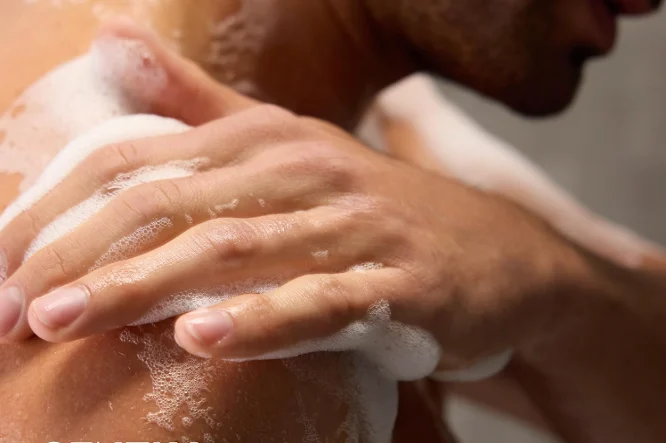
"The effectiveness of a cleanser is defined not by its physical state as a solid or liquid, but by its chemical formulation and how it respects the skin’s natural pH and moisture barrier."

For many men, the choice between a bar of soap and a bottle of body wash is a decision rooted more in tradition or habit than in dermatological science. Often inherited from family routines or chosen years ago for its scent or convenience, the cleansing medium we use becomes a staple of our daily lives, rarely questioned until skin issues like dryness, irritation, or breakouts arise. However, as the grooming industry evolves and the science of skincare becomes more accessible, the debate between solid and liquid cleansers has shifted. Understanding the fundamental differences in how these products are formulated, their impact on the skin’s delicate ecosystem, and their environmental footprint is essential for any man looking to optimize his health and hygiene routine.
The Chemistry of the Clean: Saponification vs. Synthetic Detergents
To understand the difference between bar soap and body wash, one must first look at the manufacturing process. Traditional bar soaps are created through a chemical reaction known as saponification. This process involves combining fats or oils—which can be animal-based (tallow) or plant-based (coconut or palm oil)—with a strong alkali, typically sodium hydroxide (lye). The result is a salt of a fatty acid: soap.

According to dermatologist Dr. Chang Son, MD, this traditional process often results in a product with a high alkaline pH. While human skin is naturally slightly acidic—maintaining an "acid mantle" with a pH typically between 4.7 and 5.75—traditional bar soaps can have a pH as high as 9 or 10. This discrepancy can disrupt the skin barrier, leading to the "tight" or "squeaky clean" sensation many associate with bar soap.
In contrast, most liquid body washes are not technically soaps but "syndets" (synthetic detergents). These are water-based formulations that utilize surfactants like sodium laureth sulfate to lift dirt and oil. Because they are water-based, chemists can more easily adjust the pH of body washes to align with the skin’s natural acidity. This makes them inherently less likely to strip the skin of its protective lipids.

The Rise of the Modern Bar
It is a common misconception that all bar soaps are harsh and all body washes are gentle. The grooming market has seen a surge in "beauty bars" or "syndet bars," which are solid cleansers formulated without the high-alkaline process of traditional soap. These modern bars, such as those from Dr. Squatch or Malin + Goetz, often incorporate high concentrations of glycerin, shea butter, or essential oils to mitigate the drying effects of cleansing.
Dr. Rachel Westbay, MD, notes that the delivery system—whether it’s a liquid or a solid—is often less important than the specific ingredient list. A body wash loaded with heavy fragrances and aggressive sulfates can be just as damaging to the skin barrier as a cheap, industrial-grade bar soap. Conversely, a high-quality charcoal bar or a moisturizing bar can provide a sophisticated cleanse that leaves the skin hydrated and balanced.

Hydration and the Role of Humectants
One of the primary advantages of body wash is its ability to carry a diverse range of skin-beneficial ingredients. Because they are liquid, body washes can easily incorporate humectants—ingredients like hyaluronic acid and glycerin that draw moisture into the skin—as well as occlusives that lock it in.
Dermatologists often recommend body washes for individuals with chronic dry skin or conditions like eczema, as the formula can be tailored to deposit conditioning agents on the skin even after rinsing. Dr. Westbay explains that for those whose skin feels "power-washed" after a shower, a moisturizing body wash is often the first line of defense. Products like the Bevel Moisturizing Body Wash or the Nivea Men Sensitive 3-in-1 are specifically engineered to provide this protective layer, ensuring the skin remains supple rather than parched.

The Hygiene Paradox: Bacteria and Bars
A frequent point of contention in the soap debate is hygiene. There is a persistent myth that bar soap is a breeding ground for bacteria because it sits in the open air of a damp shower. However, research and expert opinion suggest otherwise. Dr. Son points out that bar soaps are largely waterless, making them a relatively inhospitable environment for most bacteria to thrive. Furthermore, any bacteria that do reside on the surface of the bar are typically rinsed away as soon as the soap is lathered under running water.
Paradoxically, the tools often used with body wash—such as loofahs, sponges, and washcloths—are far more likely to harbor pathogens. The porous, damp environment of a loofah provides the ideal conditions for bacterial and fungal growth. Therefore, from a purely microbiological perspective, a bar of soap used directly on the skin may actually be the more hygienic option, provided it is allowed to dry between uses.

Sustainability and the Environmental Factor
In the modern era, the choice of cleanser also carries environmental implications. Bar soaps are widely considered the "greener" choice for several reasons. First, they require significantly less packaging. Most bar soaps are sold in recyclable paper or cardboard, whereas body washes almost exclusively use plastic bottles. Even with recycling programs, the sheer volume of plastic waste generated by the global body wash market is a major environmental concern.
Second, bar soaps have a lower carbon footprint in terms of transportation. Because body wash is primarily composed of water, it is heavier and bulkier to ship. Bar soaps are concentrated and lightweight, requiring less energy to move from the manufacturer to the consumer. For the eco-conscious man, the transition back to high-quality bars is an easy way to reduce his personal plastic consumption.

Travel and Convenience
For the frequent traveler, the bar soap offers a level of convenience that liquid cleansers cannot match. With the Transportation Security Administration (TSA) maintaining strict limits on liquids (the 3-4-ounce rule), carrying a full-sized body wash requires either checking a bag or transferring the product into a smaller container.
A bar of soap, being a solid, is exempt from these regulations. It takes up less space in a grooming kit and, perhaps most importantly, eliminates the risk of a "shampoo explosion" inside a suitcase. Brands like Oars + Alps have capitalized on this, offering charcoal-infused bars that provide a deep, detoxifying clean without the mess of a leaking bottle.
Choosing Based on Skin Type
Ultimately, dermatologists suggest that the "best" cleanser is the one that addresses your specific skin concerns:
- Dry or Sensitive Skin: Look for liquid body washes with "moisturizing" or "sensitive" on the label, or "creamy" bars that contain high levels of fats and oils. Avoid products with heavy synthetic fragrances or sodium lauryl sulfate (SLS).
- Oily or Acne-Prone Skin: Bar soaps containing charcoal or salicylic acid can be highly effective at drawing out impurities and managing excess sebum. However, be careful not to over-cleanse, as stripping too much oil can cause the skin to overproduce sebum in response.
- Active Lifestyles: For those who hit the gym frequently, a multipurpose wash like the Jack Black Black Reserve Hair & Body Cleanser offers a convenient, all-in-one solution that effectively removes sweat and odor while maintaining skin health.
Conclusion
The debate between bar soap and body wash does not have a single winner. Instead, it reveals a grooming landscape where both mediums have evolved to meet high standards of dermatological care. While body washes offer superior hydration and easy pH balancing, modern bar soaps provide a concentrated, eco-friendly, and travel-ready alternative that is no longer synonymous with harshness. By looking past the packaging and focusing on the ingredients—and how those ingredients interact with one’s specific skin type—men can move beyond habit and choose the product that truly supports their long-term skin health.
