
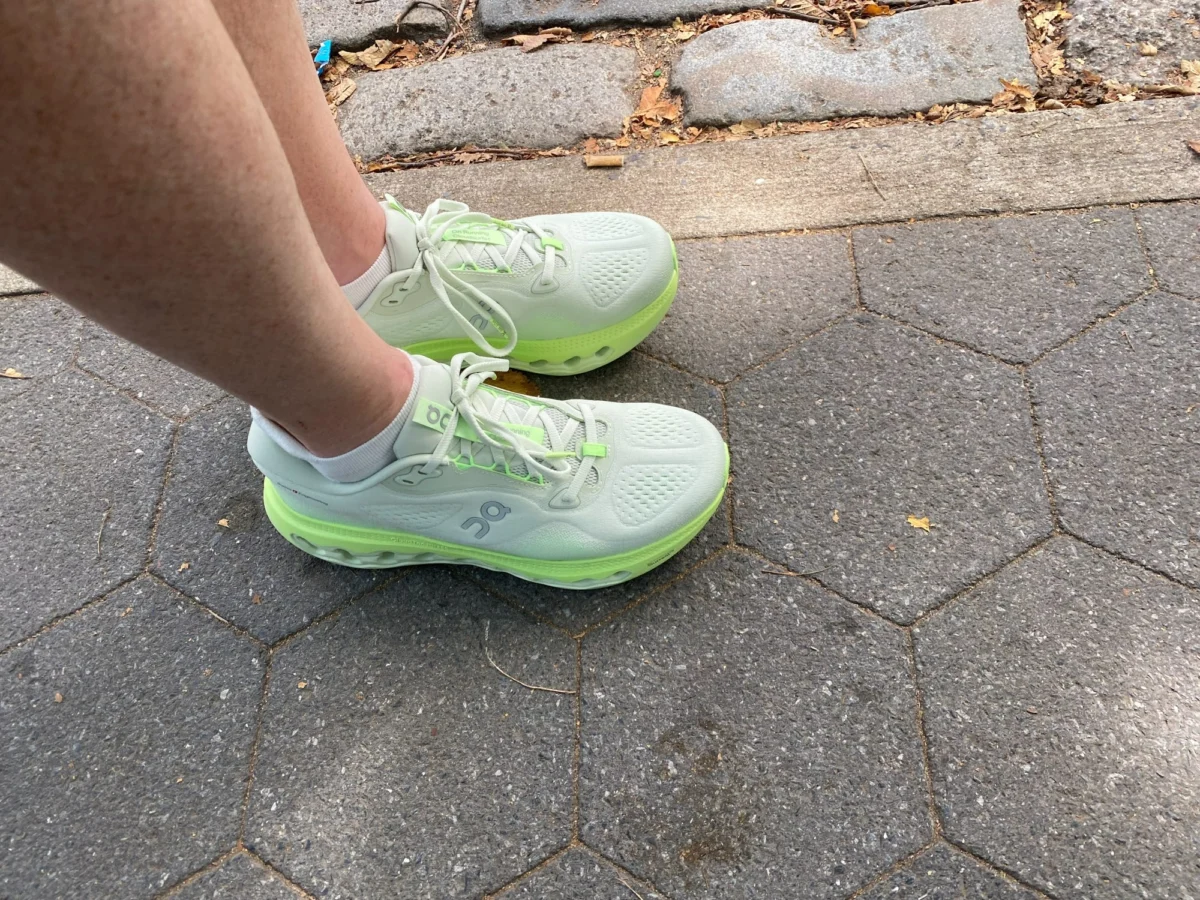
"Transitioning from a decade of brand loyalty reveals that the right footwear doesn’t just cushion the impact; it fundamentally alters running mechanics to turn a routine workout into an effortless glide."
For many runners, the relationship with a specific shoe model is less about performance metrics and more about psychological comfort and the avoidance of the unknown. This "brand inertia" often leads athletes to overlook significant technological advancements in footwear engineering, potentially sacrificing efficiency and comfort for the sake of familiarity. However, the emergence of computer-optimized cushioning and advanced materials, such as those found in the On Cloudsurfer 3, is challenging the traditional "if it isn’t broke, don’t fix it" mentality, proving that a pivot in equipment can lead to measurable improvements in pace and recovery.
The Psychology of Athletic Inertia
The world of distance running is often built on routine. From the specific time of day one hits the pavement to the pre-run stretching sequence, consistency is viewed as the bedrock of progress. This extends most significantly to footwear. When a runner finds a shoe that doesn’t cause immediate injury, they often become "hard-headed," sticking to that specific brand and style for years. This loyalty isn’t necessarily born of a deep-seated belief in the company’s mission, but rather a fear of the alternative: the shin splints, blisters, and tender arches that can accompany a poorly chosen alternative.
For over a decade, many runners have operated under this silent contract with their gear. They order the same model year after year, varying only the color or pattern. Yet, as the athletic industry undergoes a revolution in materials science, this steadfastness can become a liability. The aches and pains often attributed to "getting older" or "hitting the pavement too hard" are frequently just the result of using technology that has been surpassed by newer, more ergonomic designs.
Engineering the Cloudsurfer 3: A Departure from Tradition
The On Cloudsurfer 3 represents a significant shift in the design philosophy of the Swiss-based company. Known for their distinctive "clouds" or pods on the outsole, On has spent years refining how a shoe handles the "propulsive phase" of a runner’s gait. The Cloudsurfer 3 utilizes what is described as Surreal™ Superfoam integrated with CloudTec® technology. This combination is designed to provide a "run on clouds" sensation, but the engineering behind it is far more grounded in physics than the marketing jargon suggests.

Unlike traditional foam midsoles that provide uniform resistance, the Cloudsurfer’s architecture is designed to collapse and then rebound in a specific sequence. This creates a seamless heel-to-toe transition. For runners who have spent years in more rigid shoes, the first sensation upon donning the Cloudsurfer 3 is often its weight—or lack thereof. At approximately 10.8 ounces, the shoe manages to feel lighter than many minimalist models while providing the plushness of a maximalist trainer.
The Urban Testing Ground: Mile 1
Testing a high-performance running shoe in an environment like New York City provides a unique set of challenges. The transition from the soft, forgiving surfaces of a gym to the unforgiving concrete of a city sidewalk is where most footwear fails. For those with a background in high-impact sports—such as sand volleyball—the tendency to "plant" the foot harder than necessary is a common mechanical habit. This makes soft, responsive cushioning a requirement rather than a luxury.
Upon the first mile of a test run through the city, the Cloudsurfer 3 immediately addresses the "effortless" factor. The knit-mesh upper provides a light, airy feel that prevents the foot from overheating, even as the body temperature rises. Simultaneously, the internal construction features a generous ankle collar that provides security without the constricting sensation of traditional stability shoes. The result is a toe box that feels spacious and a gait that feels unhindered.
One of the most notable observations during the initial phase of an urban run is how the shoe handles the "stop-and-start" nature of city life. Red lights and pedestrian traffic often break a runner’s rhythm. In the Cloudsurfer 3, the propulsive phase—the moment the foot leaves the ground—is stable. There is no internal shifting of the foot, which reduces the risk of friction-based injuries and ensures that every ounce of energy is directed forward.
The "Downhill" Effect: Mile 2 and Mechanical Efficiency
As the run moves into more open spaces, such as the Great Lawn in Central Park, the true capabilities of the Cloudsurfer 3 begin to manifest. On a flat, 0.55-mile loop, runners often report a sensation that is difficult to find in standard trainers: the feeling of running downhill while on level ground.
This is not a trick of the mind but a result of energy return. The "rebound" effect of the Surreal™ Superfoam means that as the foot touches down, the shoe stores energy and releases it during the "swing" phase. This increases the runner’s confidence in their mechanics, allowing for a more aggressive stride without a corresponding increase in perceived exertion.

The data often backs up this sensation. In field tests, runners who typically maintain an 11-minute-per-mile pace have seen their split times drop significantly, sometimes reaching as low as 10:02 per mile. This nearly one-minute improvement per mile is a testament to how footwear can optimize a runner’s existing cardiovascular output. When the shoe does more of the mechanical work, the athlete can go faster for longer.
Endurance, Versatility, and the "Go" Mode: Mile 3
By the third mile, most runners have settled into a "flow state," where the equipment should ideally disappear from their consciousness. The Cloudsurfer 3 excels in this phase. Even as sweat begins to bead and fatigue sets in, the shoe’s breathability remains a key factor in comfort. In temperatures in the high 60s, the knit-mesh upper ensures that the internal environment of the shoe remains stable.
The final mile of a workout is often the best time to test a shoe’s versatility. Switching from a steady jog to a series of high-intensity sprints between city blocks reveals the shoe’s responsiveness. A seamless heel-to-toe transition is essential during fast bursts, and the Cloudsurfer 3 manages these transitions without the "reverberation" that often travels up the leg when sprinting on hard pavement.
Furthermore, the ergonomic design of the interior protects against common irritations. Runners dealing with existing scrapes or minor injuries—such as those sustained in other sports—often find that the Cloudsurfer 3’s interior is smooth enough to prevent chafing. The lack of friction, even during high-intensity intervals, confirms that the shoe is designed for the long-term health of the foot, not just immediate speed.
Conclusion: The Case for Evolutionary Gear
The On Cloudsurfer 3 is more than just an entry into a crowded marketplace; it is a piece of precision Swiss engineering designed to dismantle the barriers runners build for themselves. While brand loyalty is a powerful force, it should not be a cage that prevents an athlete from experiencing the benefits of modern material science.
The "soft, smooth ride" of the Cloudsurfer 3 is the result of a calculated effort to make running feel less like a chore and more like an effortless activity. For the "hard-headed" runner who has spent years in the same style of shoe, the transition may feel daunting. However, the measurable benefits—faster split times, reduced impact on joints, and a complete lack of post-run foot fatigue—suggest that it is time to move on from the standbys of the past. In the evolution of personal fitness, sometimes the most significant step forward is simply changing the shoes on your feet.
