
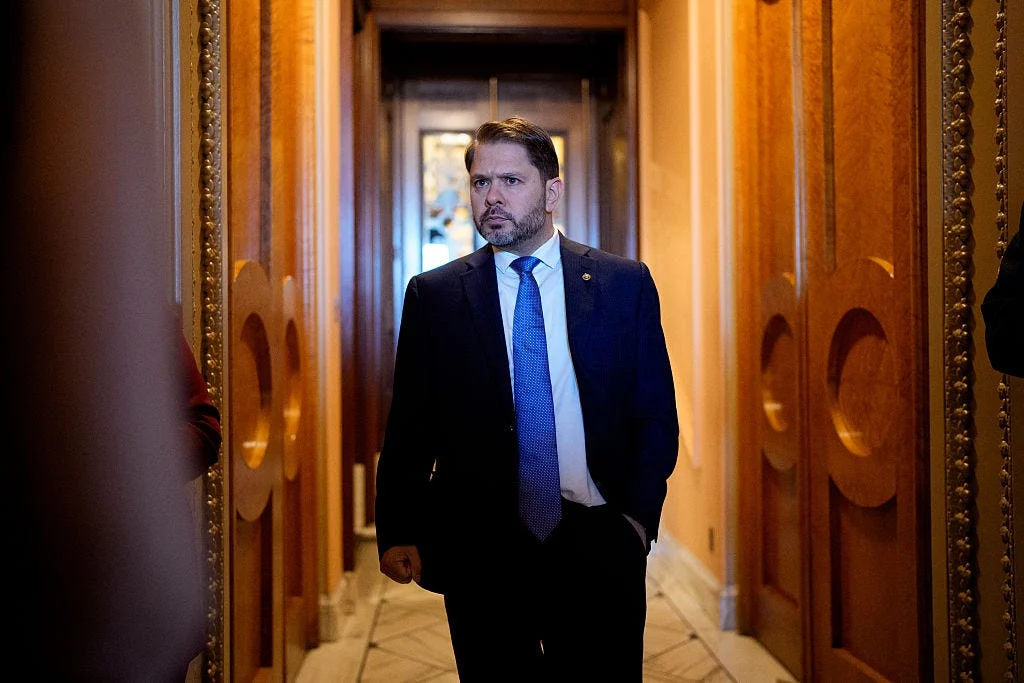
"By establishing a dedicated Office of Men’s Health, we can transform a fragmented healthcare approach into a coordinated strategy that addresses the silent crises of preventable disease and rising suicide rates among American men."
The introduction of the bipartisan State of Men’s Health Act in the U.S. Senate marks a pivotal shift in national health policy, acknowledging a stark and widening disparity in life expectancy between genders. As the longevity gap between men and women expands to nearly six years, lawmakers are seeking to create a centralized federal infrastructure—the Office of Men’s Health—to mirror existing successful frameworks for women’s health, ensuring that research, preventive care, and mental health resources are specifically tailored to the unique biological and social challenges facing men today.
A Growing Crisis in Longevity
In the United States, a quiet but profound demographic shift is occurring: men are dying significantly younger than women, and the gap is getting worse. Since 2016, the life expectancy gender gap has expanded from 4.4 years to 5.9 years. Currently, the average age of death for men in the U.S. stands at 73.2 years, compared to 79.1 years for women. This divergence represents more than just a statistic; it signifies a systemic failure to address the specific health trajectories of nearly half the population.
To combat this trend, Senators Ruben Gallego (D-AZ) and Roger Marshall (R-KS) have introduced the State of Men’s Health Act. This bipartisan legislation seeks to establish an Office of Men’s Health within the Department of Health and Human Services (HHS) and mandates a comprehensive study by the Government Accountability Office (GAO) to investigate the underlying causes of this decline. The goal is to move beyond reactionary medicine and toward a coordinated, data-driven approach to men’s wellness.
The Legislative Blueprint: An Office of Men’s Health
The proposed Office of Men’s Health is modeled after the Office of Women’s Health, which has existed for decades and has been instrumental in advancing research into conditions that affect women differently or disproportionately. Currently, men’s health initiatives are often scattered across various agencies without a central hub to synthesize data or drive public health campaigns.
The new office would serve as a bridge, connecting disparate federal departments to coordinate research, education, and policy developments. By centralizing these efforts, the government can better disseminate information to doctors, non-profits, and the public. This coordination is essential for addressing "preventable" conditions—diseases that are treatable or avoidable if caught early through routine screenings and lifestyle interventions.
Addressing the Leading Killers: Cancer and Heart Disease
Men are disproportionately affected by several leading causes of death, many of which are exacerbated by a lack of preventive care engagement. Heart disease and cancer remains the primary drivers of male mortality. Senator Gallego emphasizes that while much of medical history involved research conducted on men, it did not necessarily focus on the specific nuances of male longevity, such as the intersection of hormonal health, weight management, and behavioral tendencies toward seeking care.
The Act aims to fund and promote research that specifically targets how these diseases manifest in men and why men are less likely to seek early intervention. By focusing on "life-saving research" and "preventive care," the legislation hopes to shift the cultural paradigm from one where men "struggle in silence" to one where they are active participants in their own health maintenance.
The Mental Health Frontier and the Suicide Crisis
One of the most pressing motivations for the State of Men’s Health Act is the alarming rise in male suicide rates. Mental health struggles among men often go untreated due to social stigmas and a lack of gender-specific outreach. Senator Gallego, a former Marine, has been a vocal champion for veteran health and mental health awareness, noting that the current system is failing to provide the necessary resources to curb the increase in self-harm and "deaths of despair."

The proposed office would be tasked with investigating the unique triggers and symptoms of depression and anxiety in men, which often manifest differently than in women. By understanding these differences, the government can better equip mental health professionals with the tools to reach men before they reach a point of crisis.
Science vs. Influence: The Testosterone Conversation
A modern challenge in men’s health is the vacuum of reliable information, which is increasingly being filled by social media influencers rather than medical professionals. Issues such as testosterone replacement therapy (TRT), longevity "hacks," and supplement regimens have become trending topics online, often stripped of scientific rigor.
Senator Gallego notes that even high-level government officials, including the Secretary of Defense, have expressed concerns regarding testosterone and its impact on performance and health. The State of Men’s Health Act seeks to bring these conversations back into a scientific framework. By providing men with evidence-based information, the Office of Men’s Health can counteract the "influencer" culture with data-driven guidance on hormonal health and aging.
A Bipartisan Path Forward
In a political climate often defined by polarization, the State of Men’s Health Act has found rare bipartisan footing. The partnership between Gallego, a progressive Democrat, and Marshall, a conservative Republican and physician, underscores the universal nature of the issue.
The rationale for this cooperation is rooted in the health of the American family unit. "When we invest in men’s health, we build stronger families and stronger communities," Gallego argues. The legislation is framed not as a zero-sum game between genders, but as a necessary step to ensure that fathers, grandfathers, and brothers can remain active, productive members of society without becoming a burden on the healthcare system or their families.
Gallego also points to a historical reluctance within his own party to focus specifically on men’s issues, suggesting that this avoidance may have hindered progress in the past. By embracing a holistic view of American health that includes a dedicated focus on men, lawmakers hope to pass a bill that has seen various versions introduced in previous years without success.
The Long-Term Vision: 1, 5, and 10 Years
If the State of Men’s Health Act is signed into law, its impact is expected to unfold in stages:
- Year One: The primary focus will be organizational. The GAO will conduct its study, and the Office of Men’s Health will begin measuring the exact points of failure in the current system. This phase is about "measuring the problem" to identify where mortality is increasing most rapidly.
- Year Five: The office will transition from data collection to solution implementation. This involves pushing out public health campaigns, updating clinical guidelines for male-specific care, and funding targeted research into heart disease, cancer, and mental health.
- Year Ten: The ultimate goal is a measurable shift in the longevity gap. By the decade mark, proponents hope to see a decrease in preventable deaths and a stabilization of the suicide rate, resulting in a society where men live longer, healthier lives.
Conclusion: Strengthening the Social Fabric
The State of Men’s Health Act is an admission that the current trajectory of male health in America is unsustainable. The widening nearly six-year gap in life expectancy is a call to action that transcends politics. By creating a dedicated federal office to address these issues, the United States is moving toward a future where health equity is pursued through specialized attention rather than a one-size-fits-all approach.
As Senator Gallego reflects on his own journey—growing up without a father and navigating the challenges of manhood and health—the legislation represents a desire to provide the next generation of men with the information and support they need. By fostering a culture of health, the Act seeks to ensure that men can be "responsible leaders of their family" and active participants in their communities for years to come.
