
Northern Ireland’s Health Minister, Robbie Butler, has reaffirmed that a new emergency department for Altnagelvin Hospital is a critical priority, yet the estimated £73 million required for its construction remains unfunded. This leaves an outdated facility, designed for 40,000 annual patients, struggling to cope with double that number, exacerbating already "much too long" waiting times and severely impacting patient care.
The pressing need for a modern emergency department (ED) at Altnagelvin Hospital in Londonderry stands as a stark testament to the systemic challenges facing Northern Ireland’s healthcare infrastructure. Health Minister Robbie Butler, following a recent visit to the beleaguered facility, articulated a clear vision for its upgrade, categorising a new ED as an "incredibly high" priority project. However, this ambition is currently hampered by a critical absence of the necessary capital funding, leaving a vital regional hospital grappling with a burgeoning patient load in a department long past its operational prime.

Altnagelvin’s emergency department, notably the oldest continuously operating ED in Northern Ireland, was originally conceived and built to accommodate approximately 40,000 patients annually. In recent years, demographic shifts, increased demand for healthcare services, and pressures on primary care have seen this figure balloon to nearly double its intended capacity, straining resources, staff, and infrastructure to breaking point. The Western Health and Social Care Trust, which oversees Altnagelvin, has identified a new ED as one of its top two capital projects, estimating its cost at around £73 million – a substantial investment deemed essential for the health and wellbeing of the region’s population.
Minister Butler acknowledged the diligent efforts of the Western Trust in implementing interim measures to alleviate the immediate pressures on the existing ED, recognising that these interventions have helped mitigate what could otherwise be an even more dire situation. Nevertheless, he conceded that waiting times remain "much too long," a sentiment echoed by countless patients and their families. "People living in this area will know that acutely," Butler stated, acknowledging the consistent stream of messages and emails from constituents expressing their frustrations and concerns. He further emphasised the shared goal with the Trust’s senior leadership to "reset and transform" the emergency care landscape in the area, reiterating that "if the money became available, I would say the case has been well made."
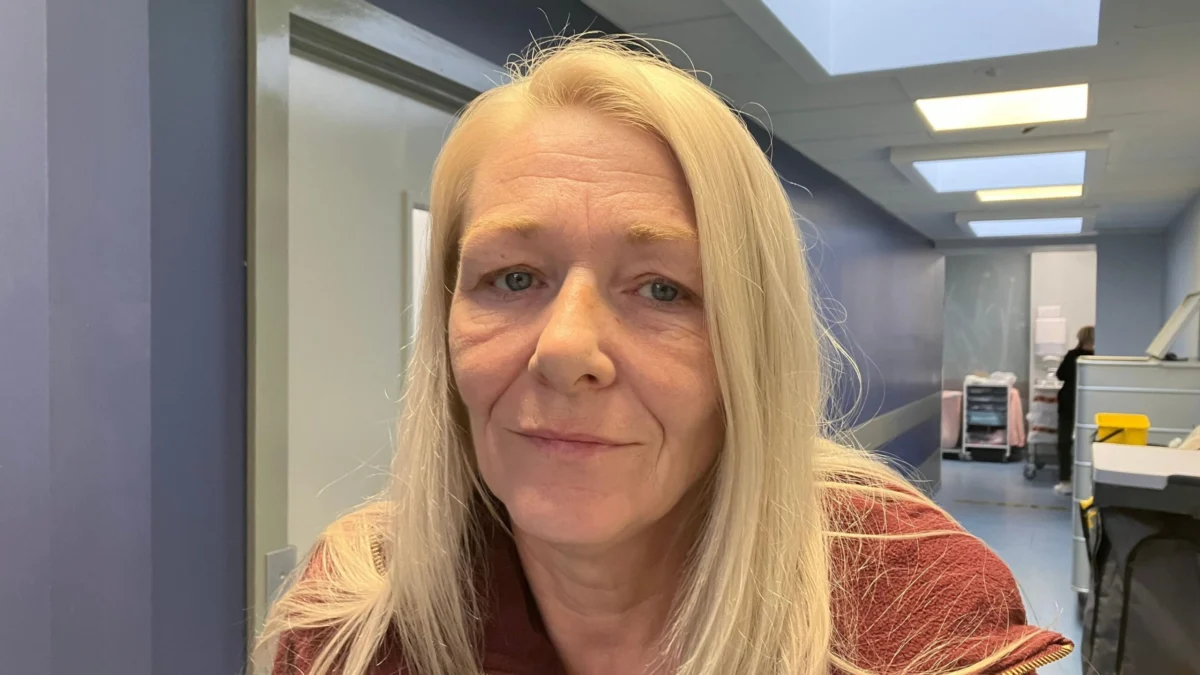
The human cost of these delays is profound and deeply personal, as highlighted by the harrowing experiences of patients like Josephine Reid and Francis McWilliams. Josephine Reid, who had been seeking care at Altnagelvin’s ED and her GP for five consecutive weeks, painted a grim picture of overcrowding and under-resourcing. She described a scenario where there were often "not even a seat for us to sit in," and recounted being advised to return home only to come back if her pain worsened. Reid vividly recalled witnessing elderly patients, including a 91-year-old, enduring two full days seated on hard chairs in "majors one, two and three" – designated areas for more serious cases – without access to a cubicle or a bed. Her stark conclusion was that there is "not enough staff, there’s not enough space and to be honest, people are being neglected."

Francis McWilliams’ account further underscored the severe pressures. In January, experiencing heart pains, he spent three days in a chair within the Altnagelvin emergency department, sharing the space with 15 other patients, all under the care of a single nurse. Weeks later, when he again experienced heart pains, he was initially directed to Omagh, where a diagnosis of a heart attack was made. He was subsequently transferred by ambulance back to Altnagelvin A&E. However, upon arrival, McWilliams was reportedly moved to an outside waiting room where he endured a shocking 15-hour wait without seeing a doctor or nurse. As a diabetic, his critical need for food and monitoring of his blood sugar levels went unaddressed. Frustrated and neglected, he eventually returned home. Nine hours later, the hospital called to inquire about his whereabouts. McWilliams’ experience paints a disturbing picture of a system overwhelmed to the point where basic patient care and communication can falter critically, even for those with life-threatening conditions. He advocates for increased support for auxiliary workers to facilitate community care transitions, thereby freeing up much-needed hospital beds.
The genesis of the current predicament extends beyond immediate operational challenges to the broader political and financial landscape of Northern Ireland. In July 2025 (note: likely a typo in original text, probably meant 2023 or 2024, given "this year" budget context), the Western Health and Social Care Trust submitted revised proposals for the new ED to the Department of Health. At that time, Minister Butler’s predecessor, Mike Nesbitt, had already cautioned the Stormont Assembly that any progress on such vital capital projects would be contingent not only on the availability of upfront capital funding but also on securing the ongoing running costs. This dual requirement highlights the complexity of healthcare financing, where building new facilities is only one part of the equation; sustaining their operation with adequate staffing, equipment, and maintenance demands a continuous revenue stream.
The ongoing financial impasse at Stormont further complicates matters. The Executive has yet to agree on a budget for the current fiscal year, a situation blamed on what ministers describe as a shortfall in the UK’s devolution funding formula. This formula, primarily the Barnett formula, determines the block grant allocated to the devolved administrations. Northern Ireland’s executive argues that the funding provided falls short of its actual needs, particularly for critical public services like health. The UK Secretary of State, Sir Chris Heaton-Harris (original text states Sir Chris Bryant, which is incorrect for Secretary of State for Northern Ireland), has offered additional funding of approximately £1.5 billion, to be released in three tranches, with £525 million available in the current year. However, he has also publicly accused executive ministers of being financially "irresponsible" in their management of existing resources.

Minister Butler has vehemently disagreed with the Secretary of State’s assessment. "I don’t agree with the secretary of state on this because we are not funded at the agreed level of need," he asserted. This divergence of opinion underscores a deep-seated political dispute over funding adequacy, which directly impacts the ability of the Northern Ireland Executive to allocate resources to essential projects like Altnagelvin’s new ED. The lack of an agreed budget creates uncertainty and delays, preventing long-term strategic planning and investment in critical infrastructure.
The implications of delaying the new Altnagelvin ED are far-reaching. Beyond the immediate distress and compromised care for individual patients, the continued operation of an inadequate facility strains healthcare professionals, leading to burnout and potential attrition. It also creates bottlenecks in the entire hospital system, as patients awaiting beds in the ED impact flow to wards and other departments. Furthermore, an outdated ED can hinder the adoption of modern medical practices and technologies, potentially impacting patient outcomes and the region’s overall health indicators. The Western Trust, serving a significant proportion of Northern Ireland’s population, requires robust infrastructure to meet current and future healthcare demands effectively. Without a resolution to the funding crisis, the aspiration for a transformed emergency care service at Altnagelvin, though a high priority, remains an unfulfilled promise, leaving both patients and staff to bear the brunt of systemic underinvestment. The urgent need for a new facility is not merely about bricks and mortar; it is about ensuring dignity, timely care, and the fundamental right to accessible healthcare for the people of Londonderry and the wider Western Trust area.
