
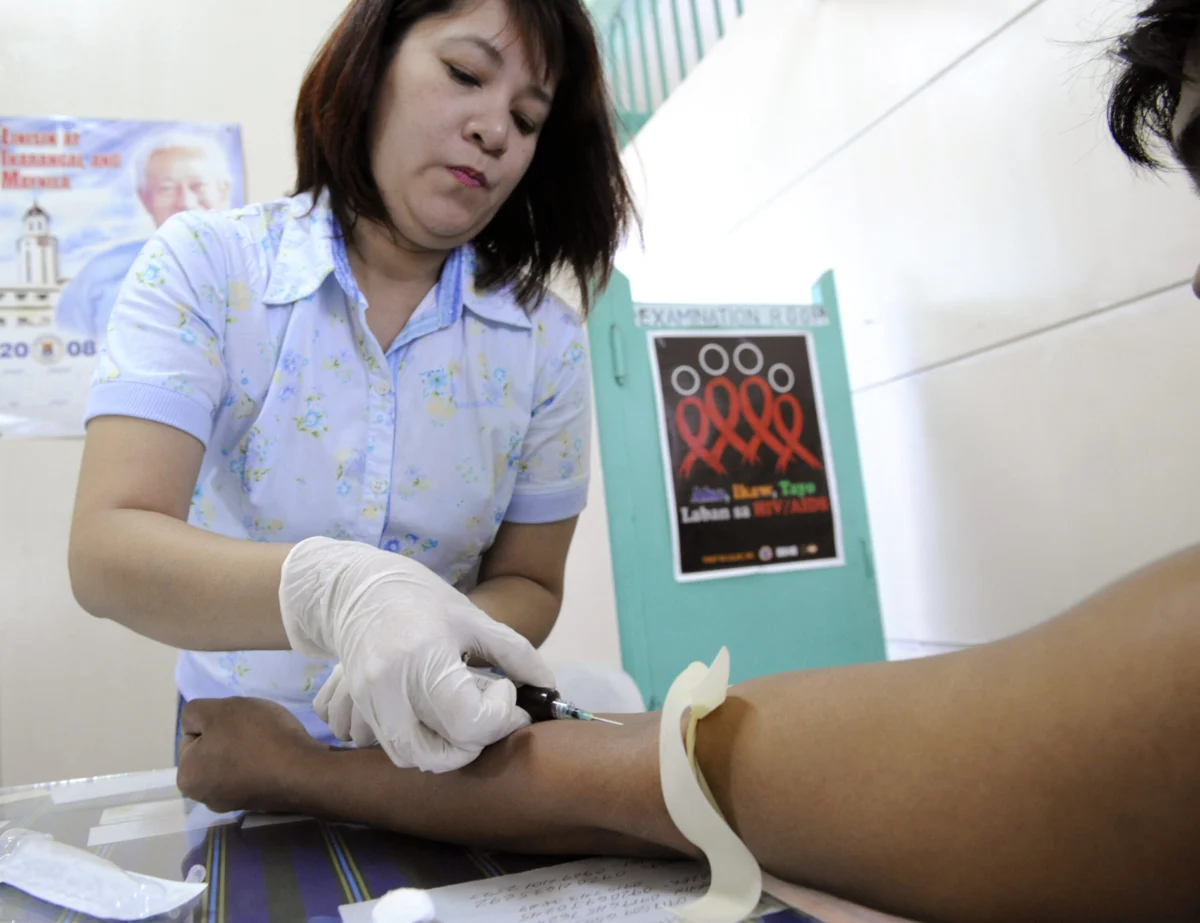
"A once-promising prevention strategy for sexually transmitted infections has shown a dramatic decline in its effectiveness against gonorrhea in Southern California, shifting from significant protection to a near-zero, and even negative, impact within months. This development, linked to increasing antibiotic resistance, underscores the need for adaptive public health strategies and continued vigilance in STI screening."
A cornerstone prevention strategy, known as doxyPEP, which involves taking a dose of the antibiotic doxycycline within 72 hours of unprotected sexual contact, has experienced a significant and concerning erosion of its effectiveness against gonorrhea in Southern California. Promoted by public health agencies since early 2023, the regimen has seen its protective capacity against this common sexually transmitted infection plummet from a robust 42.3 percent in the initial months of its implementation to a negative 15 percent by the conclusion of a comprehensive observational study. This stark reversal, detailed in a new study of over 26,000 patients, signals a critical shift in the landscape of STI prevention and necessitates a re-evaluation of how individuals, particularly in affected regions, approach safeguarding their sexual health.
The study, published in the esteemed journal The Lancet Infectious Diseases and further reported by CIDRAP, was a collaborative effort led by researchers from Kaiser Permanente Southern California and the University of California, Berkeley. The investigation meticulously assessed the incidence of sexually transmitted infections (STIs) among 26,582 Kaiser Permanente Southern California members. This cohort comprised individuals of all gender identities who were assigned male at birth, and who were either living with HIV or receiving either doxyPEP or HIV pre-exposure prophylaxis (PrEP). Crucially, all participants underwent at least one STI test between January 2023 and June 30, 2025. The primary outcomes of interest were laboratory-confirmed cases of chlamydia, syphilis, and gonorrhea occurring within 90 days of a doxyPEP prescription being filled.
While doxyPEP continues to demonstrate considerable efficacy against two other prevalent bacterial STIs – chlamydia and syphilis – its performance against gonorrhea has become alarmingly poor. Across the entire study period, the prevention measured was 66.5 percent effective against chlamydia and 60.7 percent against syphilis. In stark contrast, its effectiveness against gonorrhea registered a mere 1.8 percent, a figure that masks the precipitous decline observed over time.
"Protection against gonorrhea was moderate early on, but it just diminished rapidly and was no longer evident within a year after implementation," stated co-lead author Sara Tartof, an infectious disease epidemiologist at Kaiser Permanente Southern California. This rapid decline is particularly troubling given that California was an early adopter of doxyPEP, issuing statewide recommendations for its use in early 2023. The initial 42.3 percent effectiveness figure specifically reflects the period from January to April of that year, coinciding with the announcement of these guidelines. By the end of the study period, the measured protective effect had not only disappeared but had reversed into negative territory, suggesting that factors beyond the mere absence of the drug were at play.
The concerning trend in Southern California extends a pattern that was evident, albeit to a lesser degree, from the initial trials of doxyPEP. In the original clinical trial conducted in Seattle and San Francisco, chlamydia and syphilis incidence saw substantial reductions of 88 percent and 87 percent, respectively. Gonorrhea, however, experienced a more modest decline of 55 percent. Subsequent observational studies have further illuminated this disparity. A 2025 study from San Francisco, examining the impact of citywide implementation, reported that while chlamydia and syphilis cases were halved, there was no discernible reduction in gonorrhea rates. Similarly, a trial conducted in France yielded even weaker results for gonorrhea prevention.
Despite the diminishing returns against gonorrhea, it is crucial to note that doxyPEP has maintained its strong protective capabilities against chlamydia and syphilis. Two years after its statewide implementation in California, the strategy was still preventing these infections at rates in the 60 percent range. This continued effectiveness carries significant weight, especially considering the alarming upward trajectory of syphilis cases in the United States, including a disturbing rise in maternal and congenital syphilis.
Paul Adamson, an infectious disease physician and assistant professor at the David Geffen School of Medicine at UCLA, who was not involved in the study, expressed that the gonorrhea findings did not come as a complete surprise. He characterized the lifespan of doxyPEP’s effectiveness against gonorrhea as likely to be inherently short, and potentially even shorter than initially anticipated. However, he emphasized the enduring value of the strategy: "It’s a big benefit to be able to prevent syphilis." This highlights the complex and nuanced impact of doxyPEP, where its utility varies significantly across different pathogens.
The precipitous decline in doxyPEP’s effectiveness against gonorrhea in Southern California has been directly correlated with a rapid increase in the prevalence of the tetM gene. This gene confers high-level resistance to tetracyclines, the antibiotic class to which doxycycline belongs. Researchers meticulously measured the prevalence of tetM in gonorrhea samples collected from sexual health clinics across Los Angeles, Orange, and San Diego counties. Tartof explained that doxyPEP continued to offer some level of protection when tetM prevalence was around 20 to 30 percent. However, this protective effect vanished once the prevalence of the resistance gene climbed to approximately 50 percent or higher.
It is important to underscore that this is an observational study, and as such, it cannot definitively establish a causal link between doxyPEP use and the spread of resistance. The researchers themselves acknowledge that the prevalence of tetM accelerated shortly after the statewide implementation of doxyPEP, even amidst what they described as modest uptake of the strategy. Tartof remarked that this sequence of events warrants careful consideration.
Dr. Adamson offered an alternative perspective, suggesting that the increase in resistant gonorrhea strains in Southern California might have predated the state’s formal guidance. He posited that individuals might have been independently seeking out doxyPEP ahead of official recommendations, contributing to the rise of resistant strains. Furthermore, he pointed to the increasing use of doxycycline as a first-line treatment for chlamydia as another potential factor that could contribute to the selection pressure driving antibiotic resistance.
Evidence from other regions corroborates the concerning trend observed in California. A 2025 study from the University of Washington, analyzing gonorrhea isolates from a Seattle sexual health clinic, found that the prevalence of tetracycline resistance genes surged from 27 percent in 2017 to a staggering 70 percent by mid-2024. Additionally, a letter published in the New England Journal of Medicine reported a significant climb in tetM prevalence in U.S. gonorrhea samples, rising from under 10 percent in 2020 to 30 percent in the first quarter of 2024, with the highest concentrations observed in the Pacific Northwest.
Despite these alarming findings, no official guidance on doxyPEP has been altered. The Centers for Disease Control and Prevention (CDC) maintained its recommendation from June 2024, advising clinicians to discuss doxyPEP with high-risk patients and consider prescribing it. In fact, the CDC has even suggested that doxyPEP may have played a role in recent modest declines in the three most commonly reported STIs. However, the new data from Southern California fundamentally alter what individuals in that region can reasonably expect from the medication. The implication is clear: individuals in Los Angeles, Orange, and San Diego counties who are relying on doxyPEP for gonorrhea protection and subsequently foregoing routine gonorrhea screening are making a decision that is no longer supported by the available evidence.
The asymptomatic nature of gonorrhea, particularly in the throat and rectum, underscores the critical importance of regular screening for individuals at higher risk. When symptoms do manifest, they can include painful urination, unusual discharge, testicular pain, or a sore throat. Left untreated, gonorrhea can lead to severe health consequences, including pelvic inflammatory disease, infertility, and, in rare instances, disseminated infections that can be life-threatening.
The prevailing recommendation for individuals currently taking doxyPEP is to engage in a direct conversation with their prescribing clinician. This discussion should focus on adjusting screening frequency and the specific anatomical sites that require testing, rather than unilaterally discontinuing the medication. The strategy remains a valuable tool for preventing chlamydia and syphilis, and its utility against these infections should not be disregarded. The evolving nature of antibiotic resistance, however, necessitates a dynamic and informed approach to STI prevention and management. Public health agencies and healthcare providers must remain vigilant, adapting their recommendations and clinical practices in response to emerging scientific evidence to ensure the continued effectiveness of prevention strategies and the overall health of the population.
