
"The success of a winter expedition is dictated by a sophisticated layering system that prioritizes moisture management and thermal regulation over mere bulk."

Modern winter hiking has evolved from a test of endurance into a showcase of material science, where advanced textiles like Dyneema, GORE-TEX, and aerogel-infused insulation allow adventurers to traverse sub-zero landscapes with unprecedented agility. By understanding the synergy between base layers, mid-layer insulation, and weatherproof shells, hikers can maintain a stable core temperature while navigating the unpredictable moisture levels inherent in cold-weather physical exertion.
The Foundation of the Winter Hike: Advanced Footwear
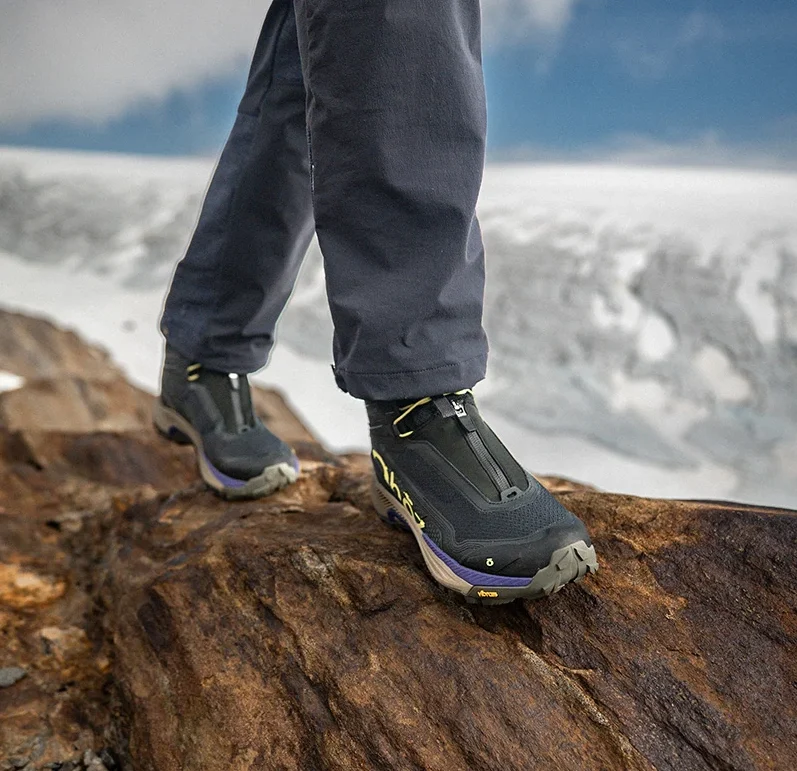
In winter conditions, the margin for error regarding footwear is remarkably slim. The Oboz Katabatic Storm GTX ($300) represents a shift in the philosophy of winter boots, moving away from the cumbersome, heavy designs of the past toward a more streamlined, athletic profile. Weighing in at just 17.5 ounces, these boots utilize a 100% recycled polyester mesh upper reinforced with TPU overlays for structural integrity.

The technical superiority of this footwear is found in its dual-layered protection. A GORE-TEX membrane provides the industry standard for waterproof breathability, ensuring that external moisture stays out while internal perspiration can escape. However, the true innovation lies in the use of Solarcore insulation. Derived from NASA-developed aerogel technology, Solarcore provides exceptional thermal retention without the loft or weight of traditional synthetic fills. This allows the boot to remain low-profile and versatile enough for both deep winter treks and the transitional "shoulder seasons" where terrain can vary from frozen mud to deep powder.
The Science of the Base Layer: Natural vs. Synthetic
Effective thermoregulation begins at the skin. The goal of a base layer is not just warmth, but the rapid transport of moisture away from the body. The Paka Sol Crew ($95) utilizes a sophisticated blend of 67% Tencel, 14% Royal Alpaca, 14% Nylon, and 5% Spandex. Alpaca fiber is increasingly recognized in the outdoor industry for its superior thermal properties; it is lighter than sheep’s wool and possesses semi-hollow fibers that provide exceptional warmth-to-weight ratios. When combined with Tencel—a fiber derived from wood pulp—the result is a garment that is naturally odor-resistant and highly breathable. With UPF 30+ protection, it remains a viable piece of equipment for high-altitude winter sun.

For the lower body, the Smartwool Classic Thermal Merino Base Layer Bottoms ($94) remain a staple of the "OG" winter kit. Composed of 100% Merino wool, these midweight bottoms offer a more relaxed fit than high-compression synthetics. Merino’s natural ability to regulate temperature means it provides warmth when the wearer is stationary and cools the body during high-output activity. Its softness against the skin is a critical factor for long-distance comfort, preventing the chafing often associated with lower-quality wools.
Strategic Mid-Layers: Managing the Core
The mid-layer is the engine of the layering system, responsible for trapping heat. The Mountain Hardwear StretchDown Jacket ($320) addresses one of the primary complaints regarding down jackets: restricted movement. By utilizing a blend of 85% Nylon and 15% Elastane, the jacket moves with the hiker, a necessity when navigating technical terrain. The 750-fill RDS-certified (Responsible Down Standard) down is housed in a unique "DoppleWeave" baffle construction. This design weaves the front and back fabric layers together from a single piece of material, eliminating the need for traditional stitching. This significantly reduces "cold spots" where wind might otherwise penetrate and prevents down migration, ensuring consistent warmth across the torso.

For those requiring a mid-layer with a higher degree of moisture versatility, the Icebreaker Merino 400 RealFleece Grid Peaksland Half-Zip ($260) is an essential consideration. The 400-weight RealFleece is a heavy-duty blend of 57% Merino wool and 43% Tencel. The grid-back construction creates channels for air to move, providing high-loft warmth while allowing heat to dump quickly through the half-zip when the heart rate climbs.
Lower Body Protection and Softshell Technology
Winter hiking pants must balance wind resistance with the mechanical stretch required for high steps and steep descents. The Mammut Runbold Winter SO Pants ($189) are a winterized version of the brand’s famed trekking trousers. These pants are bluesign-certified, indicating a commitment to sustainable manufacturing. The inclusion of a light fleece liner provides the necessary insulation for sub-freezing temperatures, while the 93% recycled polyester and 7% spandex exterior offers a water-repellent barrier against spindrift and light rain. Integrated mesh-lined zippered vents are a critical feature, allowing for manual temperature control during intense climbs.

Extremities: The Critical Points of Heat Loss
In extreme cold, the body prioritizes core temperature, often at the expense of the extremities. Specialized gear for the feet, hands, and head is therefore non-negotiable. The Showers Pass Crosspoint Waterproof Wool Crew Socks ($55) function almost like a drysuit for the feet. They feature a three-layer construction: a wear-resistant nylon outer, a waterproof breathable Artex membrane, and a moisture-wicking Merino wool lining. This prevents the catastrophic loss of heat that occurs when feet become wet from external snow or internal sweat.
For head protection, the Arc’teryx Bird Head Toque ($60) has become a modern icon. Its 50/50 Merino wool and acrylic blend provides a balance of natural warmth and synthetic durability. The interior is often lined with a fleece band to protect the forehead and ears from wind chill while allowing heat to escape through the crown. Similarly, the Buff Polar Buff ($34) utilizes Polartec fleece and Repreve recycled polyester to protect the neck and face. Its versatility allows it to be worn as a balaclava, headband, or neck gaiter, providing UPF 50 protection against the intense UV rays reflected off snow.

Handwear requires a balance of dexterity and protection. The North Face Denali Etip Glove ($60) uses a midweight recycled polyester fleece. Unlike heavy mountaineering mitts, these gloves allow for the operation of touchscreen devices and camera equipment via "Etip" functionality. Silicone palm grips provide the necessary friction for using trekking poles or handling ice axes, making them the ideal choice for active use on the trail.
Hardware and Hydration: Maintaining the System
The technical challenges of winter hiking extend to how gear is carried and how water is consumed. The Spyder Clutch Rain Shell Jacket ($139) offers an affordable entry into high-performance outer layers. With four-way stretch and a solid Durable Water Repellent (DWR) finish, it serves as the final barrier against the elements. Its "quiet" fabric is a notable upgrade over the crinkly textures of traditional hardshells, improving the sensory experience of the winter woods.

Carrying this equipment requires a pack that can withstand abrasion and moisture. The Hyperlite Southwest 40 ($395) is constructed from Dyneema Woven Composite 3.9 fabric. Dyneema is pound-for-pound fifteen times stronger than steel and is inherently waterproof. The roll-top design of the Southwest 40 ensures that the internal contents remain dry even in a blizzard, while the 40-liter capacity is the "sweet spot" for winter day hikes or minimalist overnights.
Finally, hydration management is often overlooked in winter. The HydraPak HydraSleeve Insulated Reservoir solves the common problem of water freezing in the tube or bladder. The roll-top insulated sleeve protects the 3-liter reservoir from ambient temperatures, ensuring that the hiker remains hydrated—a critical factor in preventing fatigue and frostbite.

Conclusion: The Holistic Approach to the Cold
Winter hiking is an exercise in equilibrium. Each piece of gear, from the Solarcore-insulated Oboz boots to the Dyneema-clad Hyperlite pack, serves a specific purpose in a broader ecosystem of protection. By investing in high-quality, technically proficient equipment, the hiker transforms the winter landscape from a hostile environment into a navigable and breathtaking playground. The modern adventurer is no longer limited by the thermometer; they are limited only by the quality of their kit.
