
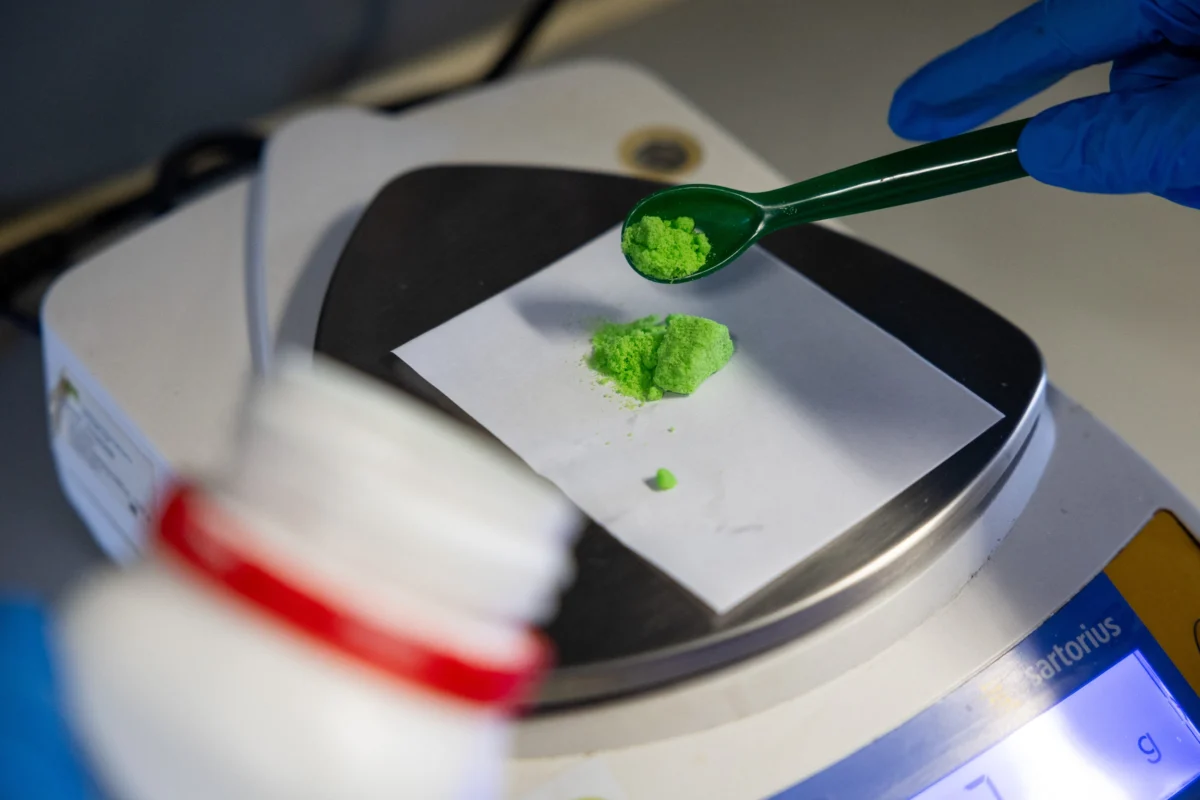
"A proactive supplier test, not a single illness report, has triggered a nationwide recall of Foods Alive organic moringa leaf powder, highlighting a crucial shift in food safety detection where potential threats are identified upstream before they reach consumers."
A significant food safety development has emerged from Foods Alive Inc., an Indiana-based company, which has initiated a nationwide recall of its 8-ounce packages of organic moringa leaf powder. The recall is precautionary, stemming from the potential presence of Salmonella. What makes this recall particularly noteworthy is its origin: it was prompted not by consumer illness or direct product testing by the company, but by a positive Salmonella result from a different product tested by one of Foods Alive’s suppliers. This scenario represents a promising evolution in food safety, where potential hazards are identified and addressed at an earlier stage in the supply chain, thereby preventing widespread contamination and illness.
The recalled product, Foods Alive organic moringa leaf powder in 8-ounce stand-up pouches, was distributed across the United States through retail stores and online channels, including the company’s own website. The specific packages affected are identified by a "freshest by" date of 110127, with the lot number 02726 printed below it. These pouches were shipped between January 27 and August 7 of the current year. Consumers who have purchased these products are strongly advised to return them to the point of purchase for a full refund. For further inquiries, Foods Alive can be reached directly at 260-488-4497.
This recall arrives in the wake of a larger, federal investigation into Salmonella contamination in moringa leaf powder that concluded in July. That earlier investigation, which led to 131 confirmed illnesses across 38 states, involved different companies and products. The current Foods Alive recall, however, operates under a different detection paradigm. The signal for this recall originated when a supplier notified Foods Alive that a sample of the supplier’s own "super green powder mix," collected at a retail level, had tested positive for Salmonella. This upstream detection prompted Foods Alive to proactively recall its own moringa powder, suspend production and distribution, and engage with the Food and Drug Administration (FDA) for a thorough investigation. The exact source of the contamination remains undetermined at this time.
The timing and nature of this recall underscore a critical distinction between recalls of perishable goods and those involving shelf-stable products like powders. Unlike fresh produce, which has a limited shelf life and often leaves the food supply relatively quickly regardless of intervention, powdered supplements are designed for long-term storage. This extended shelf life means that contaminated products can remain in consumers’ homes for extended periods, posing a persistent risk. This was a key concern during the earlier federal moringa outbreaks, where investigators repeatedly urged consumers to check their pantries for recalled items. The proactive nature of the current Foods Alive recall, however, addresses this concern at its root by intercepting the potential contamination before it proliferates.
The typical trajectory for most food recalls begins with reports of illness. Public health agencies, such as state laboratories and the Centers for Disease Control and Prevention (CDC), meticulously track reported cases, sequence bacterial isolates, and work backward to identify the source product. This process, while thorough, can be time-consuming, often taking weeks to months. During this investigative period, contaminated inventory continues to move through the supply chain and into consumers’ homes. The Foods Alive recall, conversely, followed a reverse path. The positive Salmonella test from a supplier’s finished product, which shared an upstream ingredient with Foods Alive’s moringa powder, acted as an early warning signal. This allowed Foods Alive to take decisive action based on a potential risk rather than confirmed harm, a scenario that represents a significant advancement in proactive food safety measures. The FDA notice explicitly states that no illnesses have been reported in connection with this particular recall, a testament to the effectiveness of this upstream detection method.
This incident raises important questions about the broader implications of shared ingredient sourcing in the food industry. While the FDA notice does not identify the specific supplier or the "super green powder mix" that tested positive, it highlights the interconnectedness of the supply chain. The possibility exists that other finished products utilizing ingredients from the same supplier could be implicated. The current recall involves a different company and product than the earlier federal investigations, and the FDA has not established a direct link between this event and those prior outbreaks. However, the shared manufacturing pathways for moringa powder, as evidenced in previous federal traceback efforts, suggest that a single supplier can impact multiple brands and finished products. This underscores the importance of rigorous supplier oversight and testing protocols across the entire industry.
The risk associated with Salmonella contamination is not uniformly distributed across the population. While healthy individuals typically experience symptoms such as fever, diarrhea (which may be bloody), nausea, vomiting, and abdominal pain, the infection can be far more severe and even life-threatening for certain vulnerable groups. These include young children, the elderly, and individuals with weakened immune systems, such as those undergoing chemotherapy, organ transplant recipients, or individuals with chronic illnesses like HIV/AIDS. In these populations, Salmonella can disseminate beyond the gastrointestinal tract, leading to serious systemic infections, including bloodstream infections, infected aneurysms, endocarditis (inflammation of the heart lining), and arthritis.
The demographic drawn to green powder supplements, including moringa, often overlaps with populations that are at higher risk for severe Salmonella complications. Consumers who use these products are frequently motivated by a desire to enhance their health and well-being, a group that may include individuals managing serious health conditions. This convergence of factors amplifies the importance of ensuring the safety and purity of such supplements. During the earlier federal investigation into moringa leaf powder, a significant proportion of affected individuals, 36 out of 121 with available information, required hospitalization, though no deaths were reported.
The practical implications of this recall for consumers are straightforward, yet critically important. A thorough check of kitchen cabinets for Foods Alive organic moringa leaf powder is strongly recommended for anyone who has purchased the product within the specified timeframe. Consumers should meticulously compare the brand, packaging size, and date code on their product against the details provided in the FDA recall notice. Brand familiarity alone is not sufficient; the specific lot code and best-by date are crucial identifiers. Products that match the recall criteria should be promptly returned to the place of purchase for a full refund.
Furthermore, consumers may consider reviewing other green superfood powders or moringa-containing products they may have on hand, particularly those purchased around the same period. Previous federal investigations into moringa leaf powder contamination revealed a pattern where a single manufacturer supplied moringa leaf powder to multiple finished products marketed under different brand names. This highlights how a contamination event at the ingredient level can cascade through various consumer products.
Several aspects of this ongoing investigation remain undisclosed. The FDA has not publicly identified the specific supplier or the "super green powder mix" that initially tested positive for Salmonella. It is also unclear whether other finished products sourced from this supplier are currently under review or have been implicated. The root cause of the contamination and the country of origin for the moringa powder have not yet been determined. As the investigation progresses, there is a possibility that the recall could be expanded to include additional brands or lot codes. Consumers are encouraged to monitor the FDA’s recalls index for any updates.
The most significant takeaway from this event is the demonstration of a food safety system evolving towards proactive detection. The Foods Alive recall, triggered by a supplier’s diligence rather than by a cascade of illnesses, represents a positive step in safeguarding public health. The primary beneficiaries of such proactive measures are households that include vulnerable individuals – young children, older adults, or immunocompromised members – who rely on supplements like green powders to support their health. For these consumers, the most prudent course of action is a thorough review of their pantry and the prompt return of any matching products. The central, yet unresolved, question remains whether the contamination originating from the shared supplier has extended to other finished products that may still be available to consumers.
Key Questions Answered
What product is being recalled? Foods Alive 8-ounce stand-up pouches of organic moringa leaf powder with a best-by date of 110127 and the number 02726 printed below the date, shipped between January 27 and August 7 of this year.
Why was it recalled if no one got sick? The company’s supplier reported that a retail sample of its super green powder mix tested positive for Salmonella. Foods Alive proactively initiated a recall of its moringa powder based on the shared upstream supply chain ingredient.
Have any illnesses been reported? No illnesses have been reported to date in connection with this specific recall, according to the FDA notice.
How do consumers get a refund? Consumers are advised to return the affected product package to the place of purchase for a full refund. For additional assistance, Foods Alive can be contacted at 260-488-4497.
What are the symptoms of Salmonella infection? Common symptoms include fever, diarrhea that may be bloody, nausea, vomiting, and abdominal pain. Individuals experiencing bloody diarrhea, a fever exceeding 102 degrees Fahrenheit, diarrhea lasting more than three days, or signs of dehydration should seek medical attention from a clinician.
Who is most at risk of severe illness? Young children, frail or older adults, and individuals with weakened immune systems are most susceptible to severe Salmonella infections. Rare but serious complications can include bloodstream infections, infected aneurysms, endocarditis, and arthritis.
Is this connected to the earlier moringa outbreaks? This recall involves a different company than those implicated in the earlier federal investigations that concluded in July. The FDA has not established a direct link between this current recall and those previous outbreaks.
