
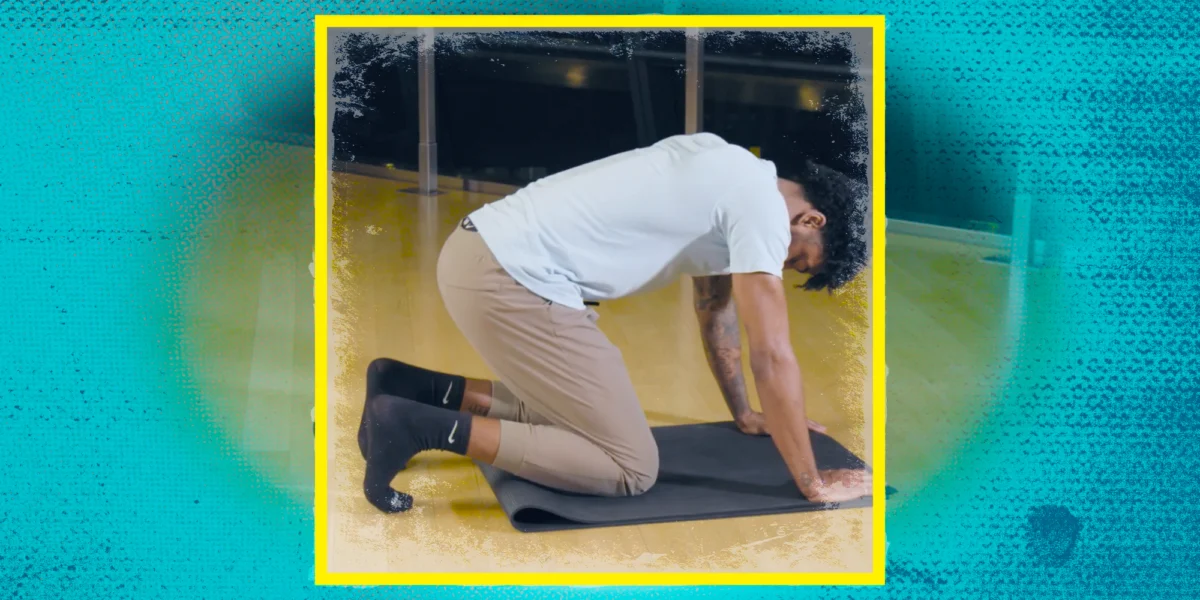
"While plantar fasciitis affects nearly ten percent of the population, its resolution lies not in surgery, but in the strategic restoration of mobility through targeted stretching and biomechanical awareness."
This article explores the physiological underpinnings of plantar fasciitis, a leading cause of heel pain, and outlines evidence-based strategies for recovery. By understanding how connective tissue reacts to stress and utilizing specific calf and foot mobilizations, individuals can manage inflammation, repair micro-tears, and return to a life of pain-free movement.
For many, the day begins not with a sense of refreshment, but with a jarring, needle-like sensation in the heel. That first step out of bed, intended to start a morning routine, instead triggers a sharp reminder of a condition that affects millions: plantar fasciitis. This nagging pain, which often persists through daily walks, gym sessions, and even the simple act of climbing stairs, is more than just a minor inconvenience. It is a signal from the body that the intricate machinery of the foot is under significant distress.
The plantar fascia is a thick, resilient band of connective tissue—a lining of collagen fibers—that runs along the bottom of the foot. It acts as the primary structural bridge, connecting the heel bone (calcaneus) to the toes and supporting the 26 bones that make up the human foot. Its role is dual and demanding: it must provide enough stability to support the arch and maintain the foot’s integrity under the weight of the body, yet remain flexible enough to absorb the shock of every step. When this delicate balance of stability and flexibility is disrupted, the result is often debilitating inflammation.
The prevalence of this condition is staggering. Statistics indicate that approximately 1 in 10 people in the United States will suffer from plantar fasciitis at some point in their lives. Despite its commonality, the exact etiology remains a subject of ongoing scientific study. Current medical consensus suggests that the pain is often the result of repetitive stress rather than a single traumatic event. Disruptions in movement patterns—perhaps a change in gait, an increase in running mileage, or the use of unsupportive footwear—can cause tiny micro-tears in the collagen fibers. These tears lead to a cycle of inflammation and localized pain, which is often exacerbated when the tissue becomes excessively tight.
Dr. Andy Wang, a Doctor of Physical Therapy at Bespoke Treatments, notes that certain populations are at a significantly higher risk. Individuals with structural variations, such as high arches (pes cavus) or flat feet (pes planus), place uneven mechanical stress on the fascia. Furthermore, because the plantar fascia is a weight-bearing structure, obesity is a major contributing factor, as the increased load accelerates the wear and tear on the tissue. Runners are also frequently sidelined by the condition due to the repetitive "pounding" of the pavement, which can exceed the fascia’s ability to recover between sessions.
The hallmark of plantar fasciitis is the "first-step" pain experienced in the morning. This occurs because, during sleep, the foot often rests in a plantar-flexed position (toes pointed down), causing the fascia to shorten and tighten overnight. The first step out of bed forcibly stretches this tightened, inflamed tissue, causing sharp pain. As the person moves and blood flow increases, the tissue warms up and the pain may temporarily subside, only to return after long periods of sitting or standing.
The silver lining for those suffering is that plantar fasciitis is remarkably treatable. Data shows that 98 percent of patients find relief through non-surgical interventions. The cornerstone of this recovery is a dedicated stretching protocol designed to alleviate tension, break up restrictive adhesions, and promote blood flow to the poorly vascularized collagen fibers. Dr. Wang emphasizes that consistency is key, and he highlights four specific stretches that target the foot and the surrounding kinetic chain.

The first essential movement is the dedicated Plantar Fascia Stretch. This is performed by sitting and crossing the affected foot over the opposite knee. By grasping the toes and gently pulling them back toward the shin, the individual creates a deep stretch along the arch of the foot. This movement specifically targets the collagen fibers of the fascia, encouraging them to lengthen and facilitating the delivery of nutrient-rich blood to the area to aid in the repair of micro-tears.
However, treating the foot in isolation is rarely enough. The human body operates as a kinetic chain, and the plantar fascia is intimately connected to the calf muscles via the Achilles tendon. When the calf is tight, it pulls on the heel, which in turn places constant tension on the plantar fascia. To address this, Dr. Wang recommends the Gastrocnemius Stretch. This is the classic "runner’s stretch" performed against a wall with a straight back leg. By keeping the heel pressed firmly into the ground and the knee locked, the superficial gastrocnemius muscle is elongated, which increases the ankle’s range of motion and reduces the "tug-of-war" on the heel.
Equally important, though often overlooked, is the Soleus Stretch. The soleus is a deeper calf muscle that sits beneath the gastrocnemius. Because it does not cross the knee joint, it must be stretched with a bent knee. By adopting a similar wall-stretch position but slightly bending the back knee while keeping the heel down, the focus shifts to this deeper tissue. Improving soleus flexibility is critical for proper ankle mechanics during walking and running, directly offloading the pressure on the bottom of the foot.
Finally, the Dynamic Lunge offers a functional approach to recovery. By moving through a controlled lunge pattern, the individual applies a dynamic load to the fascia and the posterior chain. This helps the tissue adapt to the stresses of real-world movement, ensuring that the flexibility gained during static stretching translates into better performance during daily activities.
While stretching is the primary tool for recovery, Dr. Wang offers a vital caution: do not push past the point of pain. While a "deep stretch" sensation is beneficial, sharp or stabbing pain during these exercises can signal that the tissue is being further traumatized, potentially worsening the inflammation. The goal is a gradual restoration of length, not a forced correction.
In addition to stretching, comprehensive management of plantar fasciitis often involves lifestyle adjustments. For those with high or low arches, orthotic inserts can provide the structural support the fascia lacks, preventing it from overstretching during the gait cycle. Weight management can significantly reduce the daily load on the feet, and choosing footwear with adequate cushioning and arch support is essential. For athletes, "load management"—the practice of gradually increasing exercise intensity rather than making sudden jumps in volume—is the best defense against recurrence.
If self-directed stretching and rest do not yield results within a few weeks, or if the pain becomes so severe that it limits mobility, seeking professional help is the next logical step. Physical therapists can provide advanced treatments, such as manual therapy, gait analysis, and custom strengthening programs for the intrinsic muscles of the foot. In some cases, doctors may recommend night splints, which hold the foot in a stretched position while the patient sleeps, preventing the morning "shock" to the system.
Plantar fasciitis is a testament to the fact that even the smallest part of our anatomy can have a massive impact on our quality of life. The ability to walk, run, and explore the world depends on the health of the connective tissues beneath our feet. By understanding the mechanics of the plantar fascia and committing to a proactive routine of stretching and care, the vast majority of people can move past the pain and step into their day with confidence and comfort. Through patience and the right physical therapy techniques, the "jarring stab" of the morning can once again become a thing of the past.
