
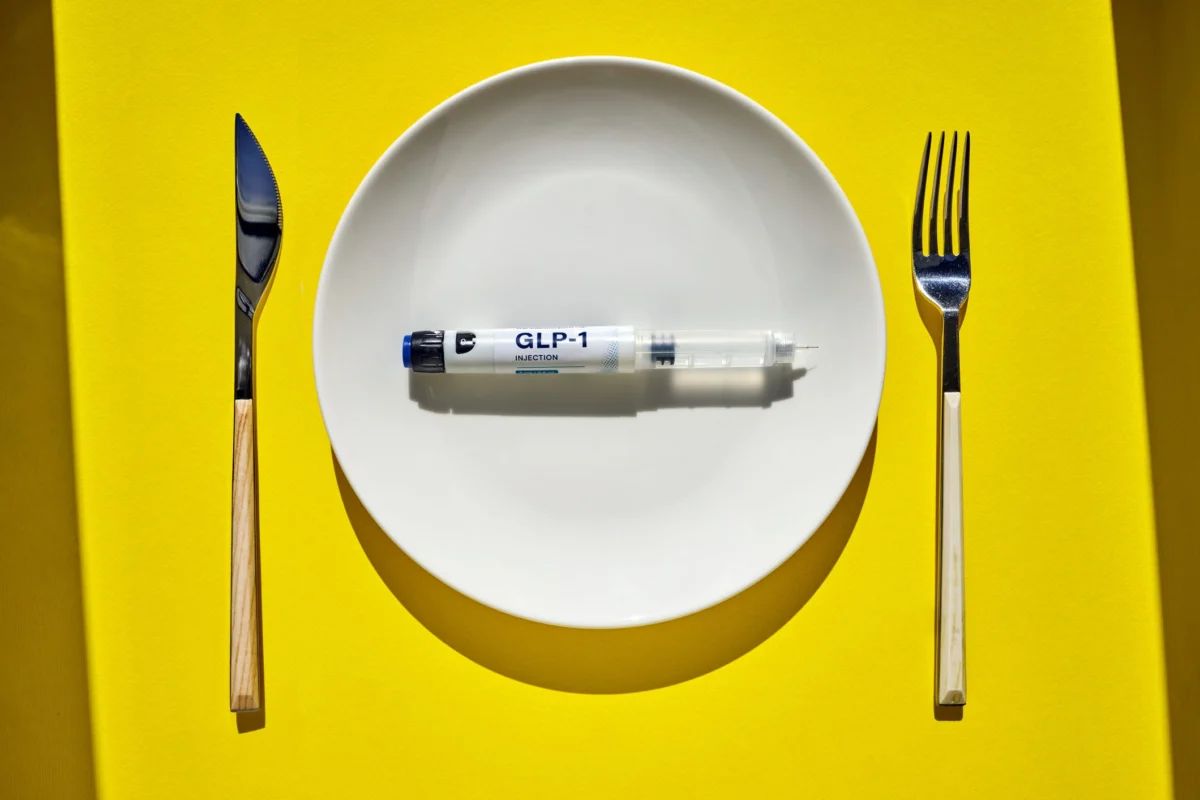
"Managing the holidays on GLP-1 medications requires a strategic shift from restriction to intentional indulgence, prioritizing metabolic consistency over temporary pauses to safeguard long-term health benefits and minimize gastrointestinal distress."
The arrival of the holiday season often presents a unique set of challenges for the millions of individuals now utilizing GLP-1 receptor agonists—such as semaglutide and tirzepatide—for weight management and metabolic health. As traditional celebrations frequently center on calorie-dense feasts and social pressure to overconsume, those on these medications must navigate a landscape where their physiological capacity for food no longer aligns with cultural expectations. This guide explores the medical, nutritional, and social strategies necessary to maintain the efficacy of GLP-1 therapy while fully participating in the festive season, emphasizing that success lies in preparation rather than temporary discontinuation.
The Clinical Argument Against Skipping Doses
A common impulse among GLP-1 users facing a week of festivities is to "skip a dose" to regain their appetite and enjoy traditional holiday meals without the early satiety or nausea associated with the medication. However, medical experts and obesity specialists strongly advise against this strategy. Dr. Vijaykumar Kasi, a cardiologist at Orlando Health, notes that interrupting the medication schedule can lead to immediate physiological fluctuations, including short-term changes in blood pressure and significant blood sugar spikes. While these spikes are most critical for patients with type 2 diabetes, they represent a disruption of the metabolic stability the medication is designed to provide.
The broader concern regarding dose interruption is the potential for long-term health consequences. Clinical data suggests that the cardiovascular benefits of GLP-1 medications—such as reduced risk of stroke and heart attack—are closely tied to consistent use. A study looking at long-term outcomes indicated that the protective heart benefits of these medications can dissipate if the treatment is discontinued, with some data linking cessation to a 22 percent increased risk of major adverse cardiac events and early death over a two-year period. While missing a single week may not immediately trigger these severe outcomes, it sets a precedent for inconsistent adherence, which is the primary driver of weight regain and metabolic relapse.
Furthermore, the "rebound effect" of skipping a dose can be psychologically and physically taxing. Dr. Mir Ali, medical director of the MemorialCare Surgical Weight Loss Center, explains that because these medications remain in the system for approximately seven days, the full return of appetite—and the accompanying "food noise"—often hits just as the individual is surrounded by high-calorie triggers. This can lead to binge eating, which, when paired with the slowed gastric emptying still partially in effect from the previous dose, can result in severe abdominal pain, vomiting, and reflux.
The Pitfalls of Microdosing and Self-Titration
In an attempt to find a middle ground, some users consider "microdosing" or taking a reduced dose during holiday weeks. However, this practice is generally discouraged by the medical community as it falls outside the FDA-approved guidelines for safe and effective use. Dr. Ali points out that if a lower dose was previously ineffective during the titration phase, it is unlikely to provide any benefit during a period of increased caloric exposure.
The only clinical exception to this rule typically applies to patients who have already reached their goal weight and are working with their physician on a maintenance strategy. In these controlled cases, some patients titrate down to the lowest effective dose to maintain their weight without losing all interest in food. For the vast majority of patients still in the active weight-loss phase, self-prescribing a lower dose can disrupt the body’s acclimation to the medication, potentially making side effects worse when the full dose is resumed after the holidays.
Engineering the Holiday Plate: A Physiological Approach
For those remaining on their prescribed GLP-1 regimen, the holiday meal requires a tactical approach to plate composition. Because GLP-1 medications significantly slow gastric emptying, the stomach retains food for a much longer duration. Consuming high-fat, heavy foods can lead to "stacking," where the digestive system becomes overwhelmed, leading to prolonged discomfort.

Nutritionists recommend a "Protein and Fiber First" strategy. Heidi Skolnik, a prominent nutritionist and author, suggests that while protein and fiber should be the priority to maintain muscle mass and digestive health, the real goal during the holidays is avoiding high-fat triggers. Appetizers like fried items, heavy dips, and fatty meats should be approached with caution. Instead, users should opt for shrimp cocktail, vegetable crudité with hummus, or lean protein skewers. Bringing a self-prepared appetizer to a gathering ensures that there is at least one safe, low-fat option available.
When it comes to the main course, the "Delicious to Me" rule—a concept championed by dietitian Ashley Koff—is a useful tool for mindful indulgence. This involves taking a single, small bite of a desired food, such as stuffing or mac and cheese, and rating the enjoyment on a scale of one to ten. If the item is not a "seven" or higher, it is not worth the limited "real estate" in the stomach. By prioritizing only the most cherished holiday flavors, patients can enjoy the essence of the meal without the physical consequences of overeating.
Alcohol, Hydration, and the "Nine Sips" Rule
Alcohol consumption on GLP-1 medications is another area requiring careful management. Many users report a natural decrease in alcohol cravings due to the medication’s effect on the brain’s reward centers. Additionally, alcohol can exacerbate the gastrointestinal side effects of the drug, leading to rapid intoxication or severe nausea.
The "Nine Sips" rule offers a compromise for those who wish to partake in a holiday toast. By limiting consumption to a small, savored amount, individuals can participate in the social ritual without overwhelming their system. It is also imperative to maintain a one-to-one ratio of water to alcohol. GLP-1 medications can increase the risk of dehydration, and the added diuretic effect of alcohol during a busy holiday can lead to fatigue and headaches.
Navigating Social Pressures and "Food as Love"
Perhaps the most difficult aspect of the holidays on a GLP-1 is the social pressure from friends and family. In many cultures, the act of providing food is synonymous with love, and a guest who eats very little may be perceived as rude or unwell. Dealing with "food pushers"—relatives who insist on second helpings—requires a combination of firm boundaries and polite redirection.
It is not necessary to disclose one’s medical history or medication use at the dinner table. Phrases such as "Everything was delicious, I’m just full right now," or "I’m saving room for dessert later," are often sufficient to deflect pressure. For more persistent inquiries, having a "social ally"—a partner or friend who understands the situation—can be invaluable. This ally can help change the subject or intervene when the conversation focuses too heavily on the individual’s plate or weight loss.
If the pressure becomes overwhelming, experts suggest taking a "tactical break" by leaving the table briefly to recenter. The goal is to decouple the emotional expression of the holiday from the physical act of eating. As Skolnik notes, one can receive the love intended by the cook without needing to consume every calorie offered.
Conclusion: Maintaining the Long-Term Vision
The holidays are a temporary season, but metabolic health is a lifelong journey. For those on GLP-1 medications, the end-of-year festivities are an opportunity to practice a new relationship with food—one defined by quality over quantity and physiological awareness over emotional impulse. By sticking to the prescribed medication schedule, prioritizing protein, and setting clear social boundaries, patients can enjoy the spirit of the season while staying firmly on the path toward their long-term health goals. The key is to remember that the medication is a tool designed to support a healthier lifestyle, and the holidays are simply one more environment in which to master its use.
