
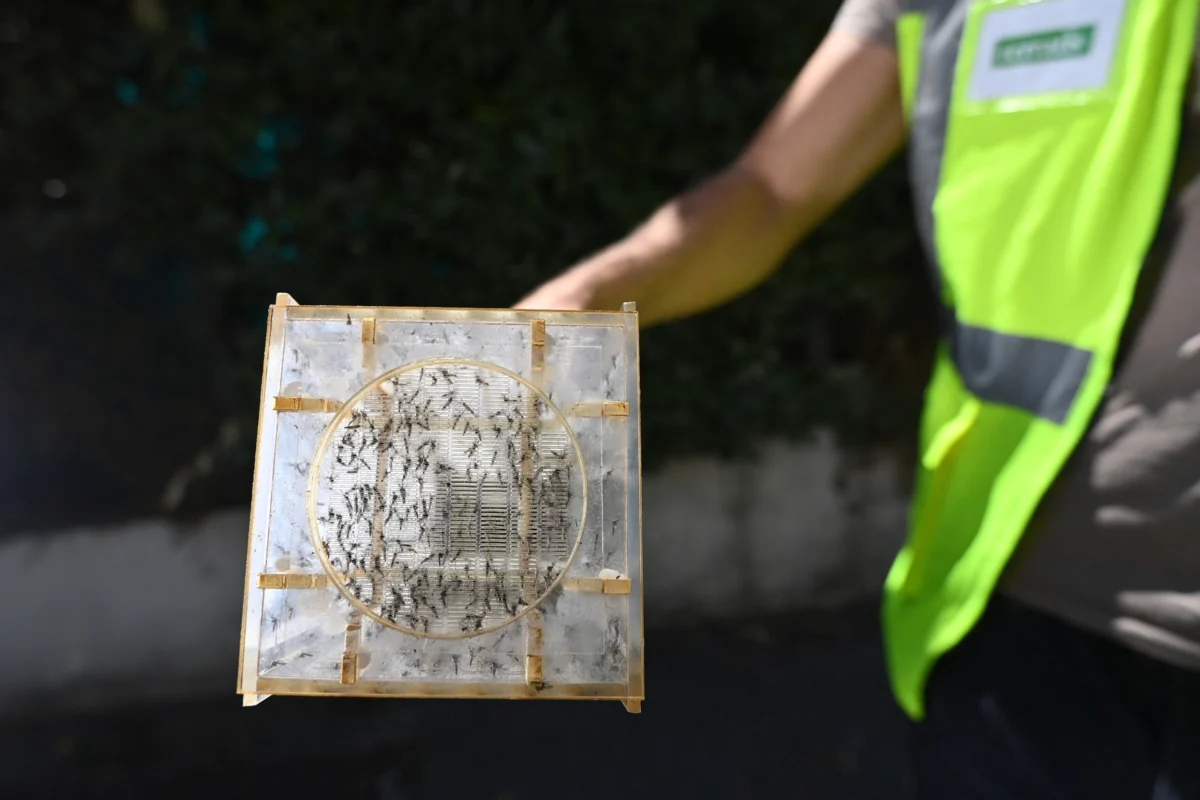
"While one human case is the headline, the surge in positive mosquito pools is the critical warning sign for New Yorkers this season."
New York City’s Health Department has confirmed the city’s first human case of West Nile virus (WNV) for the year, a development that, while concerning, is underscored by a significantly more alarming trend: a nearly twofold increase in positive mosquito pools compared to the same period last year. This escalation in WNV-carrying mosquito activity, detected across all five boroughs since June, signals a heightened risk for residents and necessitates a renewed focus on preventative measures as the peak transmission season continues through August and September.
The individual, a New York City resident, had reportedly spent time outdoors both within the five boroughs and at locations outside the city. The Health Department has not released further details regarding the patient’s age or current health status, nor has it specified the exact location of infection. However, the broader surveillance data paints a stark picture of WNV’s pervasive presence in the city’s environment. As of the latest departmental reporting, over 1,000 positive mosquito pools have been identified citywide, with specific surveillance figures indicating 1,284 pools containing the virus. Queens leads with 504 positive pools, followed by Staten Island with 354, highlighting localized hotspots of intensified WNV circulation.
Understanding the significance of these figures requires a grasp of how mosquito surveillance operates. A "mosquito pool" is not an individual insect but rather a collective sample of mosquitoes trapped at a single location and tested as a unit. Health Department personnel meticulously collect these samples from hundreds of sites weekly throughout the warmer months, from spring to fall. A positive result from a mosquito pool indicates the presence of the WNV in that collected batch, serving as an early warning of viral activity in the environment. Crucially, a positive pool does not equate to a human infection; rather, it serves as an indicator that the virus is circulating among the mosquito population and, by extension, that the risk of transmission to humans has increased.
The current season’s surveillance data reveals a concerning acceleration. The initial WNV detections in mosquito pools occurred on June 16th, and the rate of positive findings has been nearly double that observed at the same juncture in the previous year. This heightened activity has prompted the city to move beyond mere advisories and implement more robust control measures. Since July, the Health Department has conducted eight targeted mosquito-control operations in neighborhoods identified as having a high concentration of positive mosquito pools. These operations typically involve treatments designed to reduce adult mosquito populations by approximately 70% and decrease the number of positive pools by over 85%. Furthermore, the city initiated its first aerial larviciding operation of the season between June 8th and June 10th, a strategy aimed at preventing mosquito larvae from developing into adults. A schedule of completed and upcoming mosquito control operations is made publicly available by the department.
While the majority of individuals infected with West Nile virus experience no symptoms or only mild, flu-like illness, a small percentage, approximately 1 in 150, develop a severe form of the disease known as West Nile neuroinvasive disease. This serious condition affects the central nervous system, leading to inflammation of the brain and spinal cord. Symptoms can include changes in mental status, such as confusion or disorientation, as well as muscle weakness, tremors, and paralysis. Neuroinvasive cases often necessitate hospitalization and can result in long-term health consequences, including persistent neurological deficits and disability.
The long-term data from New York City paints a disquieting picture of increasing severity. Between 2012 and 2021, an average of 16 New Yorkers were diagnosed with neuroinvasive WNV disease annually. This average rose significantly to 31 cases per year from 2022 through 2025, indicating a troubling upward trend in severe neurological infections. While many individuals recover fully, a subset may experience lingering health problems for months or even be left with permanent impairments. The absence of a human vaccine and a specific antiviral treatment places the entire burden of protection squarely on preventative measures. Public health officials consistently note that a substantial proportion of New Yorkers diagnosed with WNV report not having used insect repellent or taken other precautions to avoid mosquito bites.
The intensity and comprehensiveness of New York City’s mosquito surveillance program are among the most extensive in the nation. This robust approach, while invaluable for public health monitoring, can make direct comparisons with data from other regions challenging. A city that conducts weekly trapping at hundreds of locations is inherently more likely to detect a higher number of positive mosquito pools than a smaller municipality or county with fewer trapping sites. Therefore, a seemingly lower count of positive pools in another area might reflect less intensive surveillance rather than a genuinely lower prevalence of the virus.
Nationally, the Centers for Disease Control and Prevention (CDC) reported 222 human West Nile virus cases as of its most recent update, with significant concentrations in Arizona, Texas, and California. The CDC also notes higher-than-usual activity in several other states on its current year West Nile data map. It is important to acknowledge that federal counts often lag behind real-time local data, and milder WNV infections are more likely to go unreported than the more severe neuroinvasive cases. Consequently, state and local health departments often possess more current and granular information.
The risk of WNV infection is not uniformly distributed, with certain populations facing a heightened danger. Individuals aged 60 and older, along with those with compromised immune systems, are at the greatest risk of developing severe illness. Specifically, people aged 65 and older are approximately three times more likely to develop neurological complications compared to those under 65. Pre-existing chronic conditions, such as cancer, diabetes, hypertension, and kidney disease, also significantly elevate an individual’s susceptibility to severe WNV outcomes. Medications that suppress the immune system, including certain treatments for cancers, autoimmune disorders, and transplant recipients like rituximab and ocrelizumab, are also identified as risk factors. A federal advisory has previously highlighted the increased risk of severe arboviral infections, including those transmitted by mosquitoes, associated with this class of B-cell depleting drugs.
Health Commissioner Dr. Alister F. Martin emphasizes that simple, actionable steps can significantly mitigate risk. He urges New Yorkers to "wear insect repellent, cover up during dawn and dusk" and to diligently eliminate sources of standing water around their homes. The Health Department recommends the use of EPA-registered insect repellents containing active ingredients such as DEET, picaridin, IR3535, or oil of lemon eucalyptus. It is important to note that oil of lemon eucalyptus should not be applied to children under three years of age.
In a densely populated urban environment like New York City, managing standing water presents a unique challenge but also offers a tangible solution. Residents are advised to empty common sources of stagnant water at least once a week. These include, but are not limited to, buckets, flowerpot saucers, birdbaths, tarps, children’s toys, and clogged gutters. For larger water features like swimming pools, hot tubs, and ornamental ponds, maintaining proper chlorination, covering them when not in use, or ensuring they are adequately drained is crucial. Chronic accumulations of standing water on private or public property can be reported to 311, as can issues related to water accumulation in the street caused by infrastructure defects or clogged catch basins.
While mild symptoms such as fever and body aches warrant a call to a clinician, individuals experiencing fever accompanied by severe headache, stiff neck, sudden confusion, tremors, muscle weakness, or vision changes after outdoor exposure should seek urgent medical evaluation. The peak transmission period for West Nile virus in the city extends through August and September, meaning the active season is far from over. The potential for additional human cases remains, underscoring the ongoing importance of vigilance and preventative practices.
