
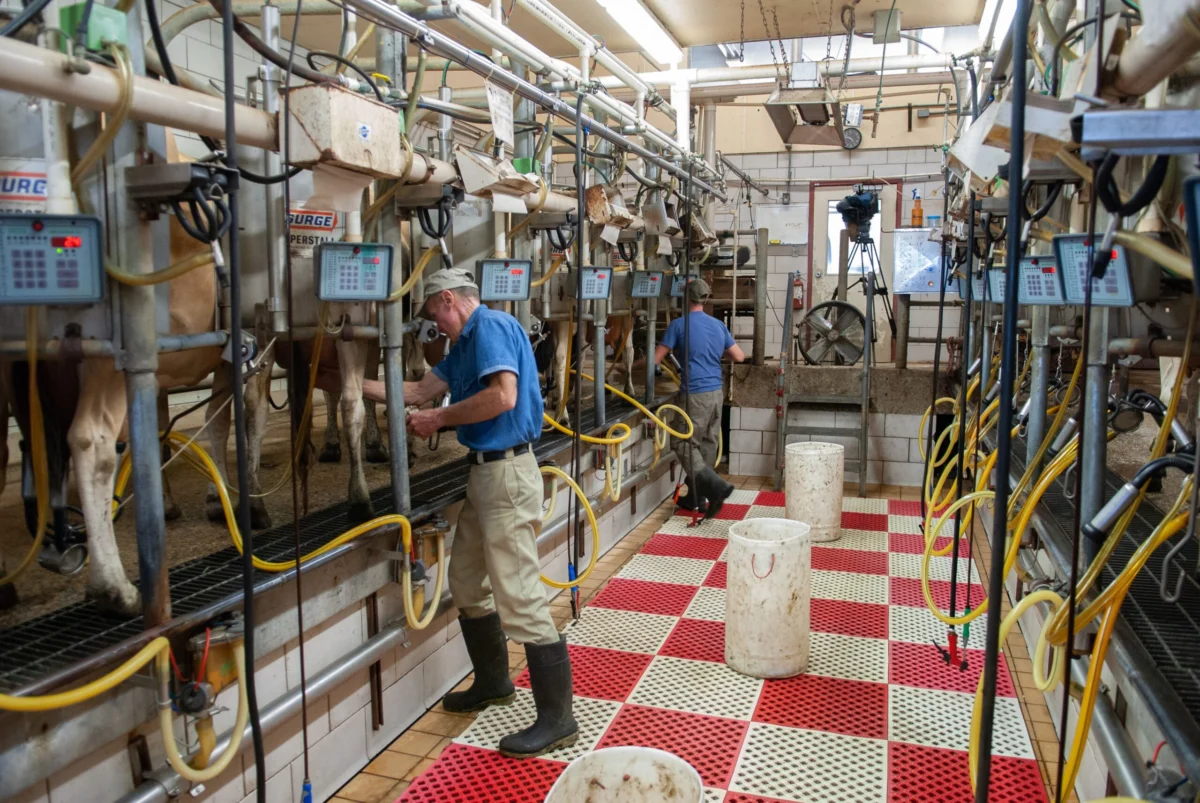
"Oregon’s milk surveillance program worked exactly as intended, identifying this infection quickly," stated the state veterinarian, highlighting the virus’s continued spread among national dairy herds."
This pivotal detection marks Oregon’s first confirmed case of the highly pathogenic avian influenza (H5N1) virus in dairy cattle, identified in a herd located in Morrow County. The confirmation by federal laboratories on November 10th positions Oregon as the 22nd state to report H5N1 in its dairy cattle population since March 2024. This development underscores the escalating presence of the virus within the agricultural sector and signals a growing concern for animal and potentially human health across the Pacific Northwest. The swift identification, attributed to routine milk testing rather than clinical signs in animals or humans, underscores the efficacy of proactive surveillance measures in place, even as the virus demonstrates a persistent and expanding reach.
The emergence of H5N1 in Oregon’s dairy sector, while not entirely unexpected given national trends, represents a significant development in the ongoing epizootic. The affected herd, which had previously tested negative in national milk surveillance rounds, is now under quarantine, with all animal movement strictly restricted to contain any potential spread. This measure is crucial in preventing further transmission, particularly given the interconnectedness of agricultural communities and the potential for movement of livestock between states.
The finding in Oregon comes at a time when neighboring Washington has been grappling with a substantial outbreak. Since October 8th, Washington has confirmed 43 infected dairy herds, predominantly in Yakima County, with a smaller number identified in Benton County. The situation in Washington has also been linked to three human cases this fall, including one fatality, raising significant concerns about the potential for zoonotic transmission. While no human cases have been directly linked to the Oregon herd, its detection highlights the virus’s movement through the broader Pacific Northwest dairy industry.
The Oregon Veterinary Diagnostic Laboratory at Oregon State University initially reported a preliminary positive result on November 6th. This was subsequently confirmed by the U.S. Department of Agriculture’s national laboratory on November 10th, as reported by Morning Ag Clips, referencing an announcement from the Oregon Department of Agriculture. No other infected dairies have been identified in Oregon to date.
Dr. Ryan Scholz, the Oregon State Veterinarian, emphasized the success of the state’s surveillance program. "Oregon’s milk surveillance program worked exactly as intended, identifying this infection quickly," he stated. "While this detection is significant, it is not unexpected given the continued spread of HPAI among dairy cattle nationally," he added, according to the PNW Ag Network. This statement underscores a proactive approach to monitoring and managing the virus, acknowledging its pervasive nature.
The specific pathway through which the virus reached the Morrow County herd remains undisclosed. However, in Washington, genetic sequencing of the initial infected herds indicated an introduction likely originating from Idaho, potentially facilitated by the movement of cattle. This suggests that inter-state animal commerce may play a critical role in the dissemination of H5N1.
Nationally, the scope of the dairy herd infections is considerable. In the last 30 days alone, 51 dairy herds have been confirmed with H5N1, including two herds in Idaho and the newly identified Oregon herd. This data, reported by CIDRAP, paints a concerning picture of the virus’s rapid proliferation within the dairy industry.
Washington’s Expanding Outbreak and Growing Worker Concerns
The outbreak in Washington has seen a dramatic increase in affected herds, escalating from just two in Yakima County on October 8th to 43. The vast majority of these cases are concentrated in Yakima County, with a smaller cluster identified in neighboring Benton County. This concentrated spread within a specific region raises questions about localized transmission dynamics and potential environmental factors contributing to the outbreak.
Concerns have also been amplified by reports from a farmworkers’ union. The United Farm Workers has voiced apprehension regarding the potential underreporting of human H5N1 cases among dairy workers in the Yakima Valley. The union attributes this to factors such as fear of immigration enforcement and the economic repercussions of missing work. While this is a claim made by the union, health officials have not yet confirmed additional human cases beyond those already identified.
The union has also observed no evidence of human-to-human transmission, indicating that known human cases have stemmed from direct exposure to infected animals or their milk. The Centers for Disease Control and Prevention (CDC) currently reports 74 human H5N1 cases nationwide since the beginning of 2024. The CDC’s bird flu situation summary maintains that the current public health risk remains low, a consistent assessment despite the growing number of animal cases.
Ensuring Safety of Milk and Household Products
For the majority of households in Oregon and Washington, the message regarding dairy consumption remains reassuring. The USDA has affirmed that the commercial, pasteurized milk supply is safe. Milk sourced from infected animals is typically diverted or destroyed, and importantly, the pasteurization process has been demonstrated by the Food and Drug Administration (FDA) to effectively inactivate the H5N1 virus.
Consumers can continue to purchase and consume milk, cheese, butter, and other pasteurized dairy products without concern for H5N1. Standard food safety practices, such as cooking meat and eggs to appropriate temperatures and maintaining good hand hygiene after handling raw poultry, remain the recommended precautions against various pathogens, including avian influenza.
The primary concern regarding raw milk and raw milk products persists. Unpasteurized milk from infected cows can harbor high concentrations of the virus. Federal health agencies strongly advise against the consumption of raw milk due to these risks. This advisory also extends to pets, as instances of cats becoming severely ill after consuming raw milk from infected herds have been documented.
The highest risk of exposure remains with individuals who work directly on dairy farms and their immediate families. Oregon health officials have emphasized that the risk to farmworkers can be mitigated with the adoption of proper personal protective equipment (PPE). This includes the use of eye protection, gloves, and respirators in milking areas, as well as changing clothing and footwear before leaving the farm environment and practicing rigorous handwashing.
Symptoms of H5N1 infection in humans can range from red or irritated eyes to fever, cough, sore throat, muscle aches, and respiratory difficulties. Individuals experiencing such symptoms after contact with cattle, raw milk, or sick birds are advised to consult a clinician or their local health department and disclose their exposure history. Severe symptoms, such as difficulty breathing, chest pain, or confusion, warrant immediate emergency medical attention. It is important to note that while a seasonal flu shot does not protect against avian influenza, health authorities recommend it for farmworkers to reduce the likelihood of co-infection with both viruses.
Monitoring Future Developments in the Pacific Northwest
The ongoing situation in the Pacific Northwest necessitates continued vigilance. Future genetic sequencing results for the Oregon virus will be crucial in determining any links to the outbreaks in Washington or Idaho, and in assessing whether additional Oregon herds test positive through ongoing milk surveillance. Oregon public health officials are actively monitoring any exposed workers for the development of symptoms.
In Washington, the trajectory of the herd count and any emergence of new human cases will provide critical insights into whether the outbreak is beginning to decelerate as winter approaches. Continued reporting from sources like MedicalDaily will track new confirmations and any shifts in the CDC’s risk assessment for the public.
Key Questions Answered
- Where was bird flu found in Oregon? Bird flu was confirmed in a dairy herd in Morrow County, with federal laboratories confirming the result on November 10th.
- Is milk from the grocery store safe? Yes. The U.S. Department of Agriculture assures that the commercial pasteurized milk supply is safe, as pasteurization effectively inactivates the H5N1 virus.
- How many Washington herds are infected? As of the latest reports, 43 dairy herds in Washington have been confirmed with H5N1 since October 8th, with the majority located in Yakima County.
- Has bird flu spread between people? No direct human-to-human transmission of H5N1 has been reported. Known human cases have resulted from exposure to infected animals or their milk.
- Are human cases being undercounted? The United Farm Workers union has expressed concerns that human H5N1 cases among Yakima Valley dairy workers may be underreported. However, health officials have not confirmed additional cases beyond those already identified.
- Who is at highest risk? Individuals working directly on dairy farms and those with close contact with infected cattle, raw milk, or sick birds face the highest risk of exposure.
