
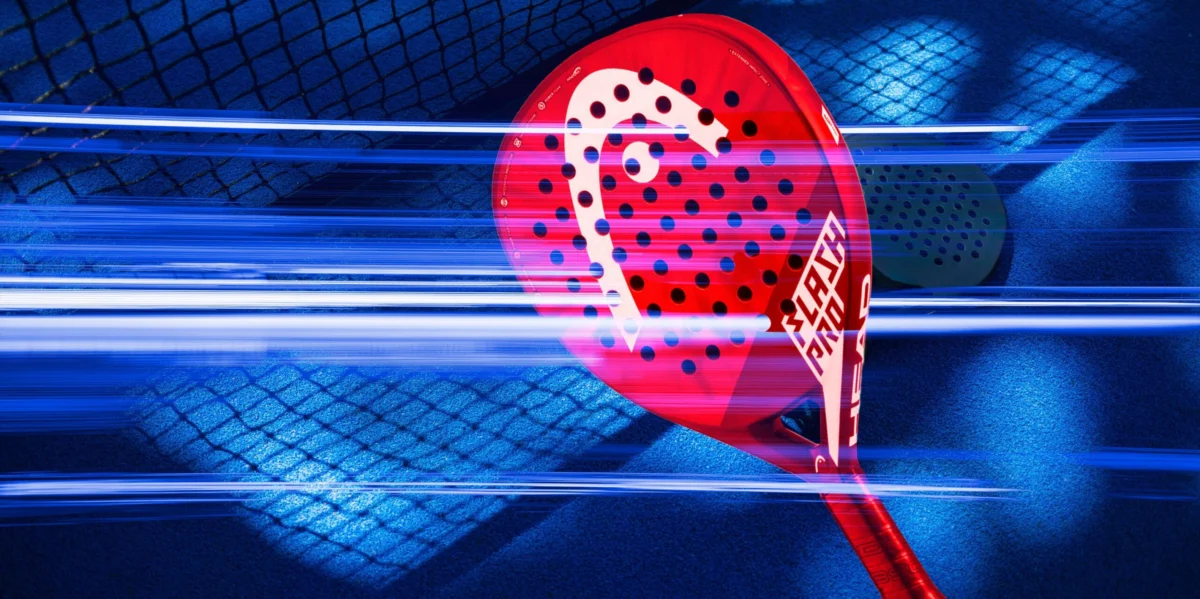
"Beyond the physical exertion of high-speed rallies, racquet sports like padel offer a potent combination of aerobic conditioning and social connectivity that significantly impacts long-term health and cognitive resilience."
As health enthusiasts move away from obligation-based exercise toward activities that foster genuine engagement, padel has emerged as a frontrunner in the global wellness landscape. By blending the strategic depth of tennis with the fast-paced intensity of squash, this burgeoning sport addresses the dual modern needs for rigorous cardiovascular training and meaningful social interaction, offering a sustainable solution to the sedentary "shoulds" of traditional fitness.
The Psychology of Play: Moving Beyond the "Should"
For many, the path to fitness is paved with "shoulds"—a vocabulary of guilt that often hinders more than it helps. The psychological burden of "I should do more cardio" or "I should find a hobby" frequently transforms wellness into a chore rather than a lifestyle. However, the modern science of habit formation suggests that the most effective health interventions are those that replace obligation with genuine interest. This is where padel, one of the fastest-growing sports in the world, enters the conversation.
Padel represents a shift from the "optimized man" as a collection of metrics to the optimized man as a participant in a high-stakes, high-reward social activity. While traditional cardio—like treadmill running or stationary cycling—can feel like a solitary penance, padel offers an immersive experience that masks its intense physical demands through the mechanics of play.
The Anatomy of Padel: A Technical Overview
To the uninitiated, padel may look like a hybrid of several better-known sports, yet it possesses a distinct technical identity. It is played on a court roughly 25% smaller than a standard tennis court, enclosed by glass walls and wire mesh fencing. Unlike tennis, where a ball hit past a player signifies the end of a point, padel allows players to play the ball off the back and side walls, similar to squash or racquetball.
The equipment is equally specialized. Players use a "stringless" racquet, which is perforated and made of composite materials like carbon fiber or fiberglass. This racquet is heavier and more compact than a pickleball paddle, allowing for greater power and spin. The ball, while resembling a tennis ball, has slightly less pressure, which, when combined with the enclosed court, results in longer rallies and constant movement.
The result is a game of "sprint, stop, swing, pivot, and repeat." The proximity of the players and the inclusion of the walls mean the ball is almost always in play, requiring a level of alertness and agility that few other racquet sports can match.
The Metabolic Demand: Aerobic and Anaerobic Synergy
The health benefits of padel are rooted in its unique physiological demands. It is a rare sport that effectively bridges the gap between aerobic and anaerobic exercise.
Aerobic exercise, or "cardio," involves continuous movement that utilizes oxygen to fuel the body over long periods. In padel, the aerobic system is pushed to its limits as players constantly reposition themselves, bounce on their toes, and engage in extended rallies that can last significantly longer than those in tennis. This sustained elevation of the heart rate improves cardiovascular efficiency, increases VO2 max, and enhances the body’s ability to circulate blood and oxygen to vital organs.
Simultaneously, the sport is intensely anaerobic. Every serve, overhead smash, and sudden lunge for a ball off the glass requires explosive power fueled by energy stored in the muscles. These short, high-intensity bursts are essential for building functional strength and improving metabolic flexibility.

Clinical research has consistently shown that this combination of exercise types leads to improved brain function, including better executive control and memory, and a significantly lower risk of developing cardiovascular diseases. For those who find traditional gym-based cardio monotonous, padel provides a "hidden" HIIT (High-Intensity Interval Training) workout that can leave even seasoned athletes drenched in sweat within minutes.
The Longevity Dividend: The Power of Social Connectivity
Perhaps the most compelling argument for padel lies in its social structure. Padel is almost exclusively a doubles sport. This requirement for four players introduces a level of community and social interaction that is increasingly recognized as a pillar of longevity.
Recent studies into the "Blue Zones"—regions where people live significantly longer than average—highlight social connection as a primary factor in health. Similarly, longevity researchers studying racquet sports have found a strong association between playing and a vastly increased lifespan. One notable study suggested that racquet sports could add nearly a decade to a person’s life, outperforming solo activities like running or swimming.
The explanation for this "longevity dividend" is twofold. First, the social interaction required in a doubles match mitigates loneliness, a condition that has been clinically linked to higher rates of Alzheimer’s disease, dementia, and premature mortality. Second, the "light competition" and shared laughter inherent in the game reduce cortisol levels and improve mental health. In padel, you are not merely "bowling alone"; you are part of a micro-community that provides emotional support and accountability.
Comparing the Racquet Landscape: Tennis, Pickleball, and Padel
While tennis has long been billed as the "world’s healthiest sport," padel offers specific advantages for the modern amateur athlete. Tennis requires a high level of technical proficiency to achieve a rally that provides a meaningful workout; beginners often spend more time picking up balls than hitting them. Pickleball, while highly accessible, is often criticized for its lower cardiovascular ceiling and slower pace, often referred to as "dinking."
Padel sits in the "Goldilocks zone" of racquet sports. It is easier to learn than tennis due to the smaller court and more forgiving racquet, but it offers a much higher physical intensity than pickleball. The inclusion of the walls adds a layer of three-dimensional strategy that keeps the mind engaged, making it a "chess match at 100 miles per hour."
For those transitioning from tennis, padel offers a refreshing change of pace. The "sweat factor" is often higher in padel because the ball rarely leaves the court. In tennis, a powerful serve can end a point in seconds; in padel, that same serve can be played off the glass, forcing the server to immediately transition into a defensive or offensive volley.
Global Growth and the Future of the Sport
Padel’s origins are often traced back to Mexico in the late 1960s, before it exploded in popularity across Spain and Argentina. Today, it is making significant inroads into North America and Northern Europe. Cities like Miami have become hubs for the sport, and indoor facilities are proliferating in colder climates, providing a year-round solution for cardiovascular health.
As the "Optimized Man" series highlights, the search for health innovations often leads to "weird" or "latest" trends, but padel’s staying power lies in its foundation of proven science: movement, community, and play. It is not a fad; it is a refinement of the racquet sport tradition.
Conclusion: Embracing the New Hobby
As winter approaches and the temptation to retreat into sedentary habits grows, the indoor padel court represents a sanctuary for both physical and mental health. It addresses the "shoulds" of life by providing an activity that people actually want to do.
Whether the goal is to improve heart health, lose weight, or simply find a way to connect with others, padel offers a comprehensive package. It is a sport where one can emerge "sweaty, sore, and exuberant"—a rare trifecta in the world of adult fitness. For those looking to optimize their lives, the message is clear: stop worrying about what you should do, and start playing. The glass walls are waiting, the racquet is ready, and the path to longevity has never been more fast-paced or fun.
