
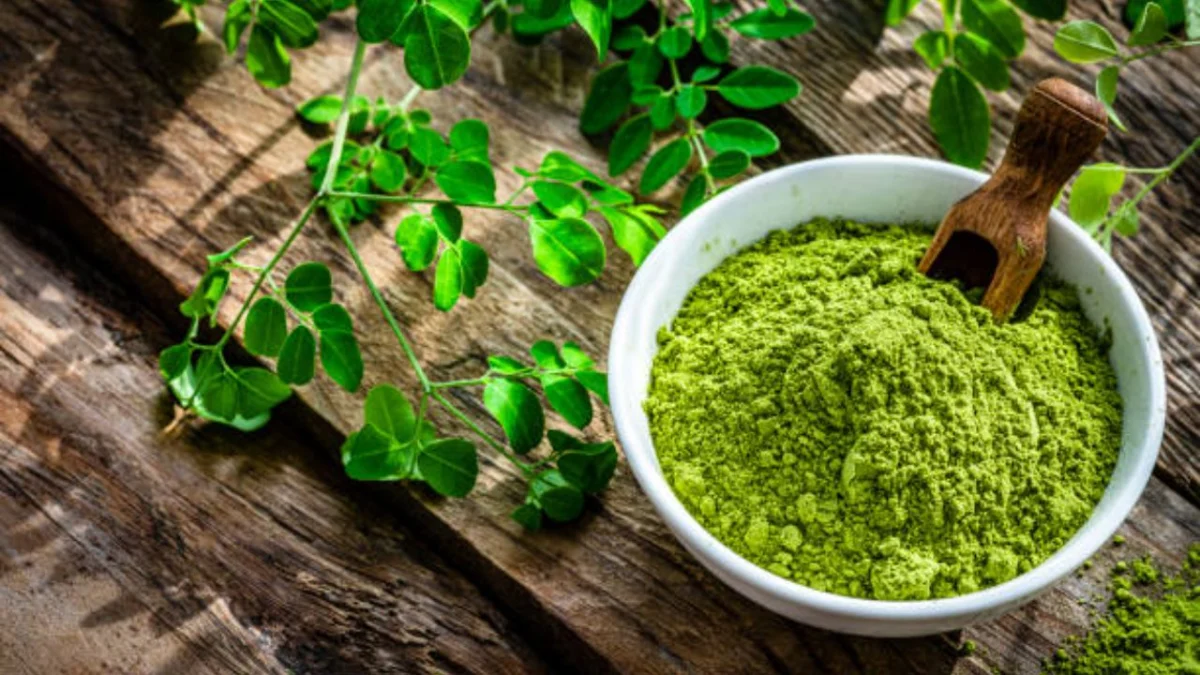
"Consumers should be vigilant as a recent Salmonella recall impacting nine Food To Live brand greens and superfood powders highlights a recurring issue within this product category. The extended shelf life and online distribution of these items necessitate proactive consumer checks, as traditional retail alerts may not suffice."
A broad Salmonella recall, initially announced in early August, has now been formally integrated into the U.S. Food and Drug Administration’s (FDA) enforcement records, underscoring the potential for widespread consumer exposure. The affected products, comprising nine different greens and superfood powders from the Food To Live brand, possess long shelf lives and were distributed nationwide primarily through online channels. This timing is particularly concerning as the products are likely still present in many kitchens and pantries, and their online-only distribution model means consumers may not receive direct notifications, necessitating a proactive approach to verification.
Lexunder Inc., operating as Food To Live, based in Brooklyn, New York, initiated the voluntary recall after the FDA alerted the company to a positive Salmonella test result in a retail sample of its Organic Supergreens Mix, an 8-ounce package from lot SO-77820. The company has stated that the source of the contamination remains undetermined and has suspended all production and distribution of the implicated products while the investigation is ongoing. Crucially, at the time of the initial announcement, no illnesses had been reported. This fact is important to reiterate, as the recall’s later inclusion in the FDA’s weekly enforcement listings, which do not typically include illness data, has led to some reporting that might imply a more open-ended or severe situation than was initially conveyed.
The comprehensive FDA notice details the specific products covered by this recall, all under the Food to Live brand. These include Organic SuperGreens Powder Mix, Organic Moringa Leaf Powder, Organic Kale Powder, Kale Powder, Organic Wheatgrass Powder, Wheatgrass Powder, Organic Spirulina Powder, Organic Algae Powder Mix, and Organic SuperGrass Powder. The recall encompasses a wide range of lot codes, from SO-72558 through SO-79374, in addition to three specific supplier codes: VFD/ORG/MORP/B/25, C25051312, and OSP251001. Consumers are advised to locate the lot code and best-before date printed on the back of the package, situated below the Nutrition Facts panel and adjacent to the barcode. The FDA has helpfully provided labeled product photos to guide consumers in identifying the exact location of this information. It is critical to note that each product has its own specific list of affected lots; therefore, relying solely on the lot code range is insufficient for a complete assessment. No other Food To Live products or lot codes are included in this recall.
The nationwide distribution, occurring exclusively online through platforms such as foodtolive.com, foodinbulk.com, and other unspecified marketplaces, presents a unique challenge for consumer awareness and product removal. Unlike products sold in brick-and-mortar stores, there are no retail shelves to clear or cashiers to flag purchases at the point of sale. Consequently, consumers are strongly encouraged to review their online order histories rather than awaiting direct notifications from the company or regulatory bodies. The recalled products were packaged in resealable stand-up pouches, as well as bulk cases weighing 33, 44, and 55 pounds. The availability of bulk sizes suggests that the affected product may also be present in businesses such as smoothie counters, juice bars, and meal preparation services. In these instances, the Food To Live branding might not be visible to the end consumer, making traceability even more complex.
Consumers who possess any of the recalled products are strongly urged not to consume them. The products can be safely discarded in a secured manner to prevent access by pets or other individuals, or they can be returned to the place of purchase for a full refund. For inquiries, Food To Live can be contacted directly at 718-717-1029 or via email at [email protected].
The recurring presence of greens powders in Salmonella recalls points to a structural issue inherent in the product category, rather than necessarily indicating a widespread problem with any single company. Conventional food items that carry a risk of Salmonella contamination typically undergo a "kill step" during processing. For example, chicken is cooked, and milk is pasteurized. In contrast, greens powders, often consumed by adding a scoop to cold beverages like smoothies, bypass any heating process. This means that low-level contamination introduced during the cultivation or processing stages can persist throughout the product’s shelf life, as Salmonella bacteria can survive for extended periods in dried powders.
The introduction of Salmonella contamination typically occurs before the raw ingredients are transformed into powders. Recognized pathways for contamination in leafy crops include the use of contaminated irrigation water, contact with animals in the fields, the application of improperly treated manure, contaminated harvesting or processing equipment, and poor hygiene practices during harvesting or packing. Once the leaves are dried and milled into a powder, a single contaminated lot of raw material can be blended into numerous finished products, potentially affecting a wide consumer base. Furthermore, greens powders marketed as dietary supplements operate under a different regulatory framework compared to conventional packaged foods. A significant portion of the raw material used in these products is also imported, which, while not inherently making the product unsafe, can contribute to slower traceback processes in the event of contamination.
This latest recall marks the second instance of a Salmonella issue for the Food To Live brand within the past year, further amplifying concerns within the consumer health community. Federal records reveal that Food To Live issued a voluntary recall in November 2025 for its moringa and supergreens powders. That recall covered lot codes SO-69006 through SO-72558, stemming from an FDA notification that a supplier lot of moringa powder had tested positive and was linked to an outbreak. The current recall’s affected lot codes appear to extend directly from where the previous recall concluded, suggesting a persistent issue with specific sourcing or processing.
The broader category of greens powders has also been under scrutiny recently. An investigation by the FDA and the Centers for Disease Control and Prevention (CDC) previously traced Salmonella illnesses to dietary supplements containing moringa leaf powder imported from India. This outbreak investigation, which initially closed in March, was reopened in May due to the emergence of new cases and was ultimately declared over in July. The final reported figures indicated 131 individuals infected across 38 states, resulting in 36 hospitalizations but no fatalities. The FDA has since intensified its screening protocols for imported moringa powder originating from India.
Moringa leaf powder is a common ingredient in many blended greens products, and a single contaminated supplier lot can easily find its way into numerous brands simultaneously. The fact that the aforementioned outbreak investigation was reopened after being declared closed serves as a stark reminder that these powders can remain in consumers’ homes for extended periods, even after recall notices have been issued. It is important to clarify that these occurrences do not inherently render greens powders unsafe as a product category, and no regulatory agency has advised consumers to cease their use. However, they do highlight that these daily wellness products carry the same traceability challenges as other imported agricultural ingredients.
For consumers who find a pouch of the recalled product on their shelf, several steps are recommended. It is imperative to check the lot code on the back of the package against the FDA’s official list. Reliance on the product name alone is not sufficient, as several Food To Live powders are affected only in specific lot numbers. If a product has been transferred from its original packaging into a storage container, and the lot code is no longer visible, it is safest to discard the product.
Salmonella infection, commonly known as salmonellosis, typically manifests symptoms between six hours and six days after exposure. These symptoms can include fever, severe stomach cramps, and diarrhea, which may be bloody. Nausea and vomiting are also common. In most healthy adults, the illness resolves within four days to a week without the need for specific medical treatment. However, certain populations are at a higher risk of developing severe illness. These vulnerable groups include infants and young children, adults over the age of 65, pregnant individuals, and anyone with a compromised immune system. In rare and severe cases, the bacteria can enter the bloodstream and lead to infections affecting internal organs, such as the heart lining, arteries, bones, or joints. A smaller subset of individuals may develop reactive arthritis, a condition that can persist long after the initial infection has cleared.
Medical attention should be sought if experiencing diarrhea that lasts for more than three days without improvement, if stools are bloody, if a fever exceeds 102 degrees Fahrenheit, if vomiting is persistent, or if signs of dehydration are present, such as reduced urination or dizziness upon standing. For individuals who have been consuming a greens powder daily and have experienced illness, it is advisable to retain the product packaging, including the lot code, and to consult a clinician about obtaining a stool culture. Such testing is crucial for definitively linking an illness to a specific product.
Thorough cleaning and sanitization are essential for any utensils, shakers, blender jars, or countertops that may have come into contact with the contaminated powder. This includes washing and then sanitizing these items. The recalled product should be disposed of in a securely sealed bag to prevent accidental ingestion by pets or other individuals. The FDA has not announced any expansion of this particular recall, and to date, no illnesses have been publicly linked to it. Any updates or further information will be posted on the agency’s recall and safety alert listings. Consumers who purchased the affected products online should also investigate whether their respective online marketplaces offer an independent refund policy.
