
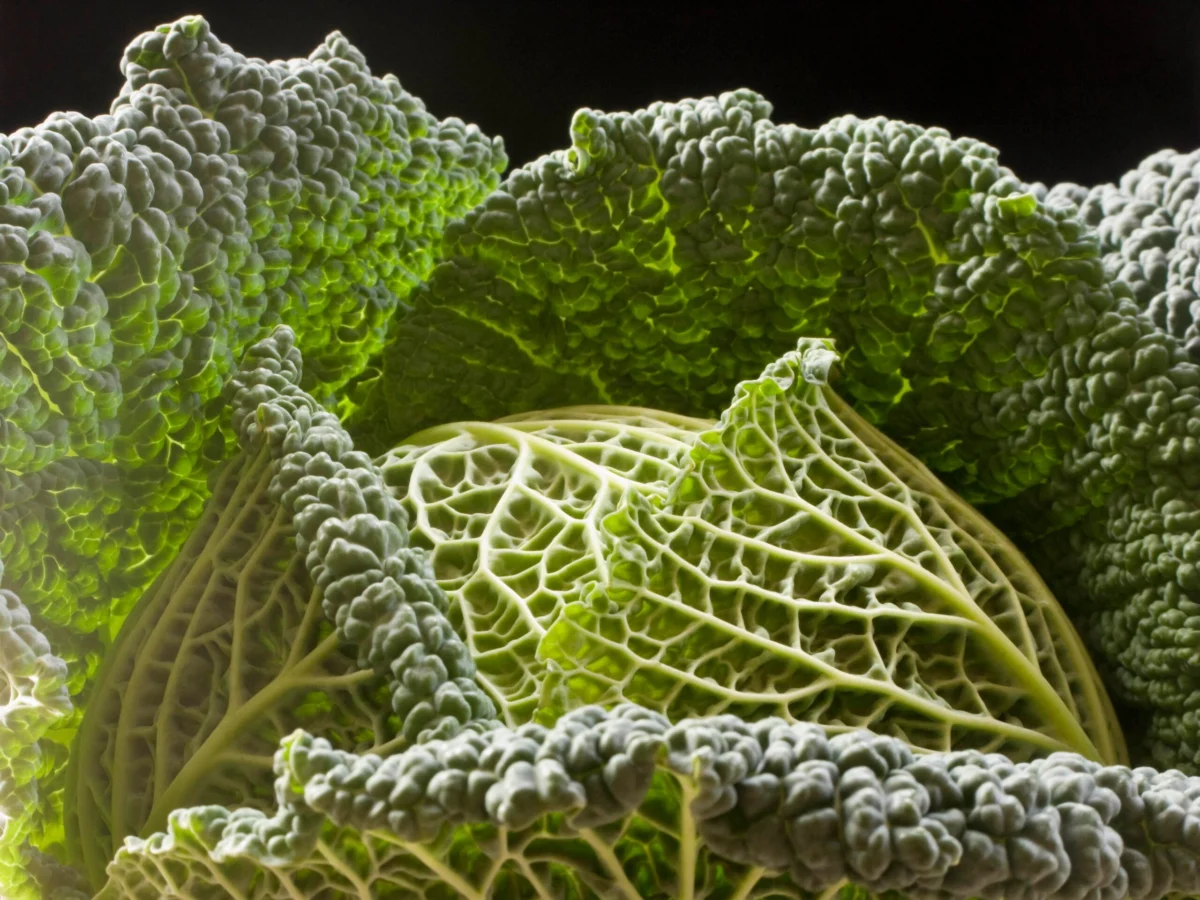
"Cabbage is no longer just a budget-friendly filler; it is a nutrient-dense powerhouse that solves the dual challenges of rising food costs and the urgent need for increased dietary fiber in the modern diet."
In an era defined by volatile grocery prices and recurring food safety concerns, the culinary world is witnessing a significant shift toward resilient, cost-effective, and nutritionally dense staples. Cabbage, a long-overlooked member of the brassica family, has emerged as the centerpiece of this movement, transcending its traditional reputation as a bland side dish to become a versatile substitute for more fragile greens like lettuce. This transition is fueled not only by economic necessity but also by a growing awareness of the vegetable’s profound health benefits and its unique ability to withstand the heat required to eliminate common foodborne pathogens.
The Economic and Safety Drivers of the Cabbage Trend
The summer of 2024 has proven particularly challenging for fans of traditional salads. Two primary factors have disrupted the produce aisle: the relentless rise in grocery inflation and a series of outbreaks involving Cyclospora, a microscopic parasite that causes severe gastrointestinal distress. While leafy greens like Romaine and iceberg lettuce are highly susceptible to contamination and have a short shelf life, cabbage offers a sturdier alternative.
Unlike lettuce, which is almost exclusively consumed raw and provides a hospitable environment for parasites if not washed meticulously, cabbage is structurally dense and remarkably heat-tolerant. Cooking cabbage is one of the most effective ways to neutralize Cyclospora and other pathogens, providing a layer of food safety that raw salads simply cannot match. Furthermore, from a budgetary perspective, cabbage remains one of the most efficient purchases in the supermarket. Its density means that a single head can provide the base for multiple meals, stretching expensive proteins like ground beef or sausage much further than more delicate greens.
The Social Media Catalyst: From "Filthy Cabbage" to Culinary Innovation
The rehabilitation of cabbage’s image is being led in large part by digital creators who have rebranded the vegetable for a new generation. Ronald Dajoh, a food content creator who has amassed a significant following on TikTok, has been instrumental in this shift. His "filthy cabbage" recipe—a savory, one-pot dish that braises cabbage with ground meats and bold seasonings—has garnered millions of views. Dajoh’s philosophy centers on the idea that cabbage is a "stretch" food, capable of feeding a large family on a minimal budget without sacrificing flavor.
Beyond Dajoh, the rise of "Don Cabbage," a self-described cabbage expert and chef, illustrates the vegetable’s newfound versatility. By showcasing cabbage as a low-carb hot dog bun, a base for pasta-free "cabbage noodles," and even a sturdy foundation for "cabbage pizzas," these influencers are helping consumers see the vegetable as a solution to various dietary needs. The trend suggests a fundamental shift in perception: cabbage is being moved from the periphery of the plate to the center, serving as a creative canvas for global flavors ranging from spicy Asian slaws to hearty European stews.
A Nutritional Powerhouse: Comparing the Heads
When compared to the standard head of iceberg or even Romaine lettuce, cabbage is a nutritional heavyweight. It contains significantly higher concentrations of Vitamin C, which is essential for immune function and skin health, and Vitamin K, which plays a critical role in bone metabolism and blood clotting. However, the most compelling argument for cabbage lies in its extraordinary fiber content.
A single cup of cooked cabbage provides approximately five grams of dietary fiber. To put this in perspective, cabbage provides roughly one gram of fiber for every 10 calories consumed. This ratio is vital in a country where the "fiber gap" is a significant public health concern. According to Michael Reavis, RD, CSSD, a clinical dietitian at the University of Maryland Medical Center, the average American male requires approximately 38 grams of fiber per day, yet data suggests that 95 percent of men fall far short of this goal.

The Fiber Gap and the Rise of Colorectal Cancer
The importance of fiber extends far beyond simple digestion. There is a growing body of evidence linking high-fiber diets to a reduced risk of colorectal cancer. This is particularly relevant given the alarming rise in colorectal cancer rates among men under the age of 50. Currently, it is the leading cause of cancer-related death in this demographic.
Fiber acts as a mechanical cleanser for the digestive tract, but its biological impact is even more profound. When fiber reaches the large intestine, it is fermented by the gut microbiome, producing short-chain fatty acids like butyrate. These compounds have anti-inflammatory properties and serve as the primary energy source for the cells lining the colon, helping to prevent the mutations that lead to malignancy. Reavis notes that incorporating just one and a half cups of cabbage into a daily diet can get a person 20 percent of the way toward their fiber goals, providing a simple, accessible tool for long-term disease prevention.
Cardiovascular and Metabolic Benefits
In addition to cancer prevention, the fiber in cabbage plays a crucial role in metabolic health. Soluble fiber binds to bile acids in the digestive system and escorts them out of the body, forcing the liver to use excess cholesterol to produce more bile. This process effectively lowers total and LDL (the "bad") cholesterol levels, reducing the risk of heart disease.
Furthermore, cabbage aids in blood sugar regulation. The fiber slows the absorption of sugar into the bloodstream, preventing the sharp insulin spikes that can lead to Type 2 diabetes over time. For those focusing on weight management, the high volume and water content of cabbage provide a sense of satiety (fullness) for very few calories, making it an ideal staple for those looking to maintain a healthy weight without feeling deprived.
Culinary Versatility: Beyond the Coleslaw Bowl
The historical pigeonholing of cabbage as merely an ingredient for coleslaw or sauerkraut is rapidly fading. Dietitians and chefs alike are encouraging more adventurous preparations. Michael Reavis suggests using shredded cabbage as a base for "protein bowls," where it can be sautéed with ground turkey and ginger-soy sauces to create a deconstructed egg roll. This preparation maintains the crunch of the vegetable while adding a depth of flavor that lettuce cannot support.
For those with limited time, fermented cabbage—specifically sauerkraut and kimchi—offers a double benefit. Not only does the fermentation process preserve the nutrients of the cabbage, but it also introduces beneficial probiotics into the gut. These "good bugs" are essential for a healthy microbiome, which has been linked to everything from improved mental health to stronger immune responses.
Practical Tips for the Home Cook
To maximize both the flavor and nutritional value of cabbage, experts offer several key pieces of advice:
- Don’t Overcook: Overboiling cabbage can lead to a mushy texture and the release of sulfurous compounds that create an unpleasant odor. Instead, aim for quick sautés, roasting, or light steaming to maintain a "tender-crisp" consistency.
- Embrace Bold Flavors: Because cabbage is relatively neutral, it can handle aggressive seasoning. Don’t be afraid to use acidic elements like lime juice or vinegar, spicy elements like chili crisp, or umami-rich additions like miso or fish sauce.
- Utilize Different Varieties: Green cabbage is the standard for braising, but red cabbage contains higher levels of anthocyanins (antioxidants), and Napa cabbage offers a more delicate texture perfect for wraps and soups.
- Use it as a Replacement: In any recipe calling for a tortilla, bun, or noodle, consider if a sturdy cabbage leaf could serve the same purpose. This simple swap reduces refined carbohydrates while adding essential nutrients.
Conclusion
The resurgence of cabbage is a testament to the vegetable’s enduring utility. In a world where the cost of living continues to climb and health concerns are paramount, cabbage offers a rare combination of affordability, safety, and medicinal value. By moving beyond the "boring" recipes of the past and embracing the innovative techniques popularized by modern food creators, consumers can protect their health and their wallets simultaneously. Cabbage is no longer a vegetable of hardship; it is a vegetable of wisdom.
