
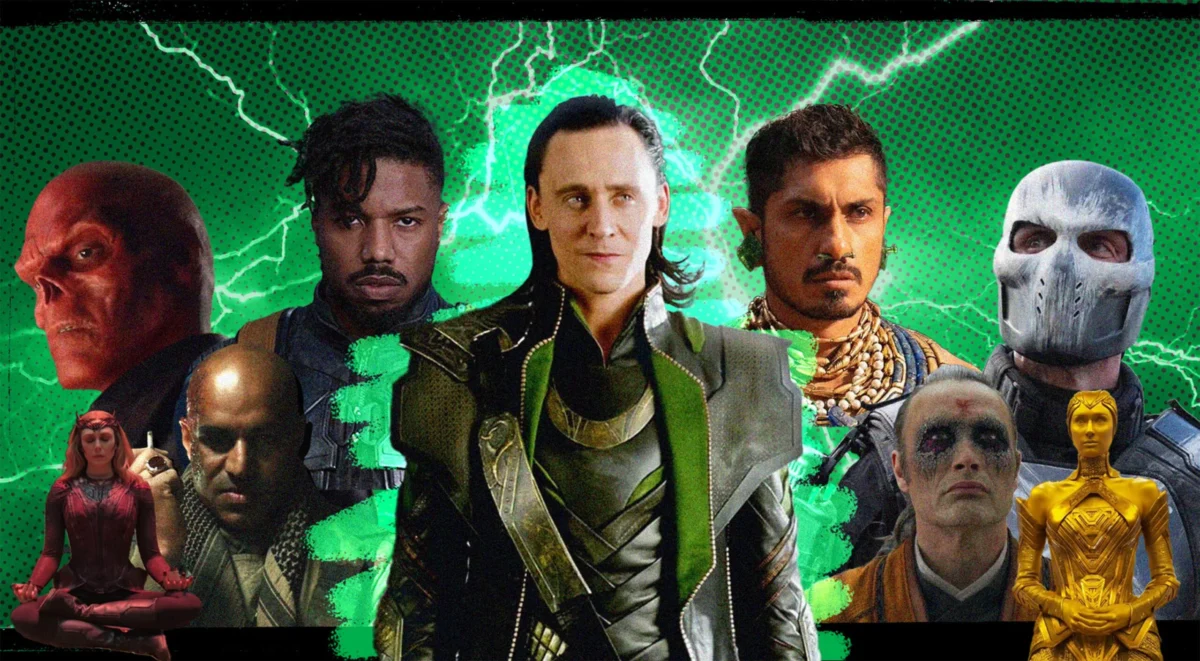
"A hero is only as formidable as the challenge they face; in the Marvel Cinematic Universe, the most enduring villains are those whose motivations blur the line between calculated malice and tragic necessity."
The narrative success of the Marvel Cinematic Universe (MCU) has long been tethered to the strength of its antagonists. While the franchise spent its early years fighting off the "villain problem"—a critique aimed at one-dimensional baddies with mirrored power sets—it eventually evolved into a sophisticated laboratory for character studies. By casting Hollywood royalty and Academy Award winners to portray figures of complex morality, Marvel transformed its villains from mere obstacles into the emotional and philosophical engines of its storytelling.
The Foundation of Malice: The Lower Tier
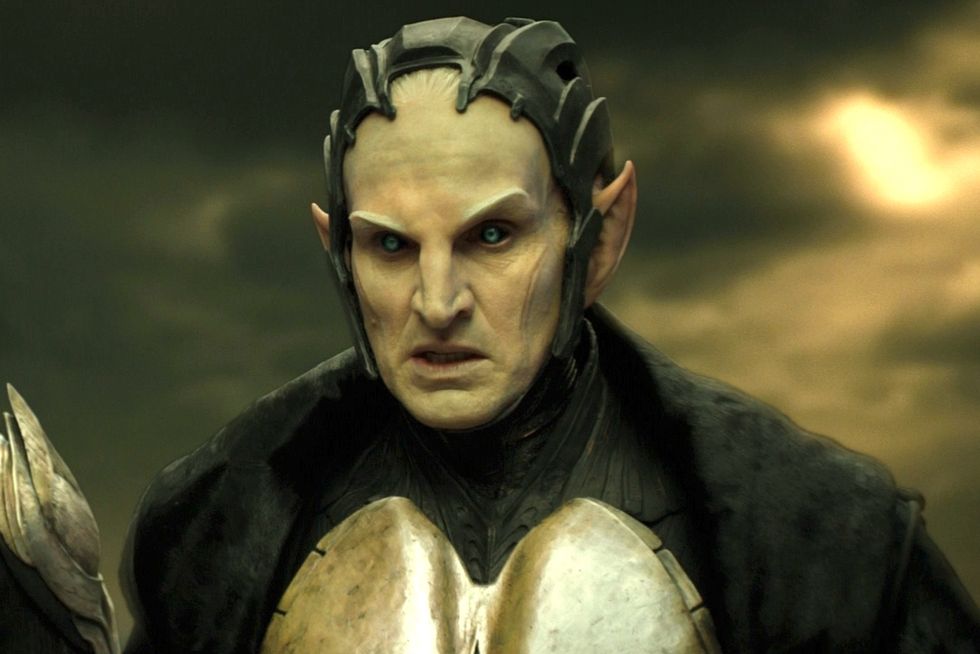
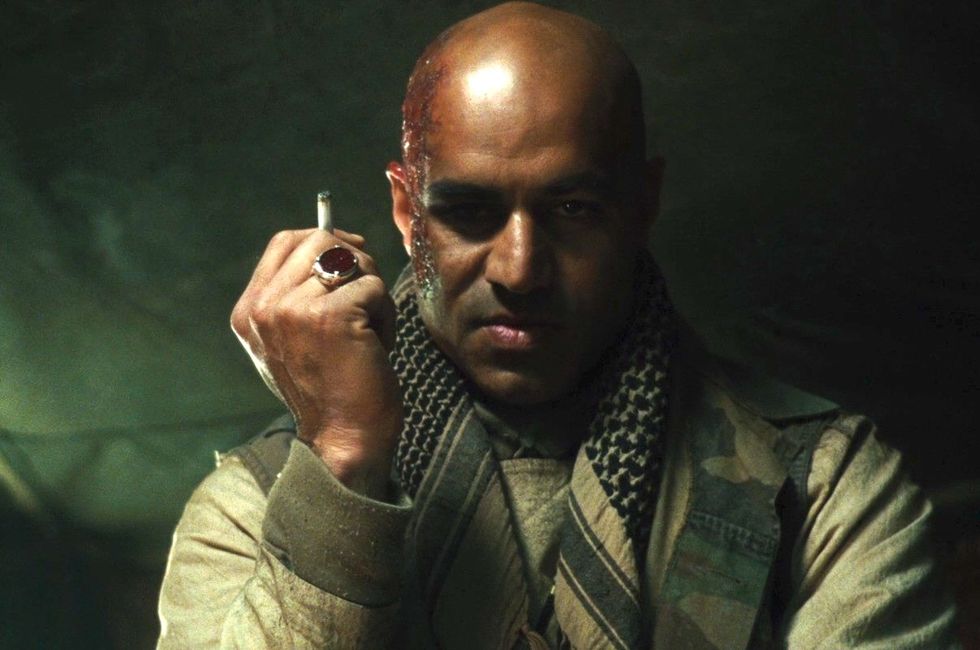
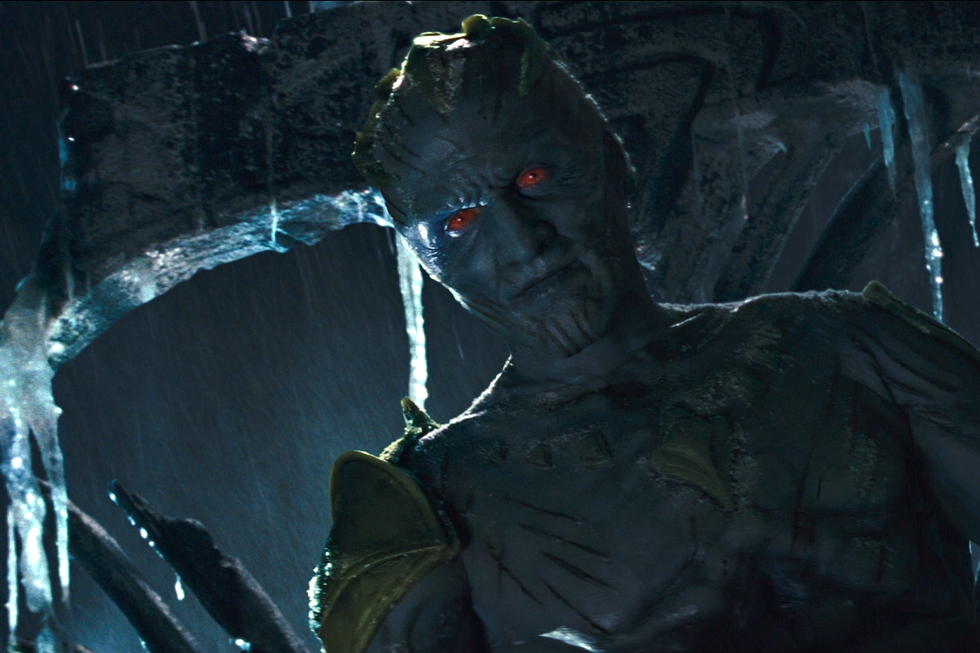
In any massive franchise, the quality of opposition varies. At the bottom of the spectrum, we find characters like Malekith (Christopher Eccleston) from Thor: The Dark World. Despite Eccleston’s pedigree, the character suffered from a lack of defined agency, serving as a generic vessel for ancient grudges rather than a living, breathing threat. Similar issues plagued early entries like Laufey of the Frost Giants and Raza of the Ten Rings. These characters functioned primarily as narrative bridges—stepping stones meant to propel the hero toward a more significant realization or a superior foe.
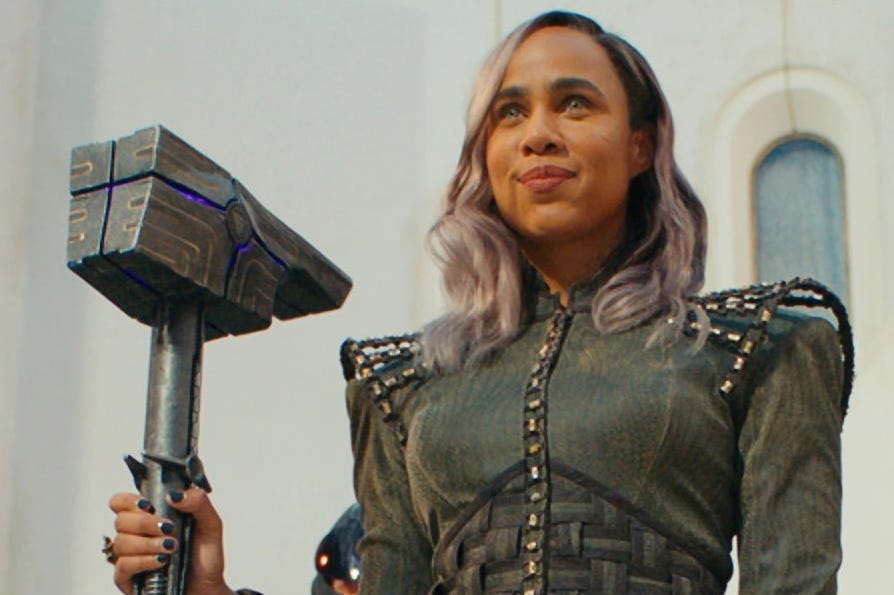
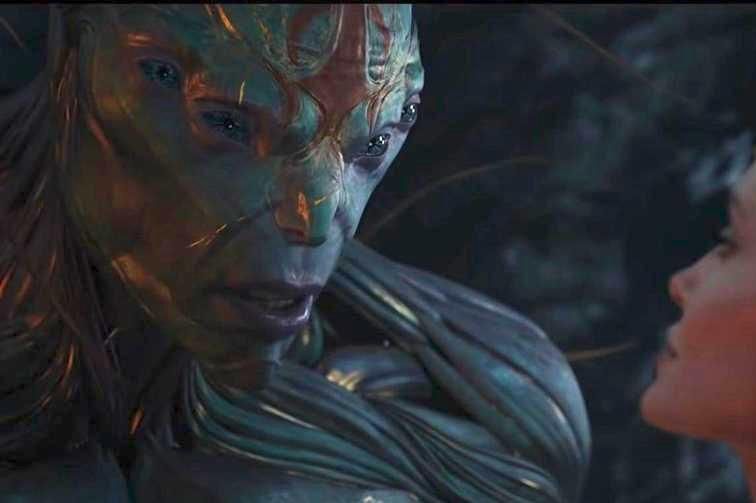
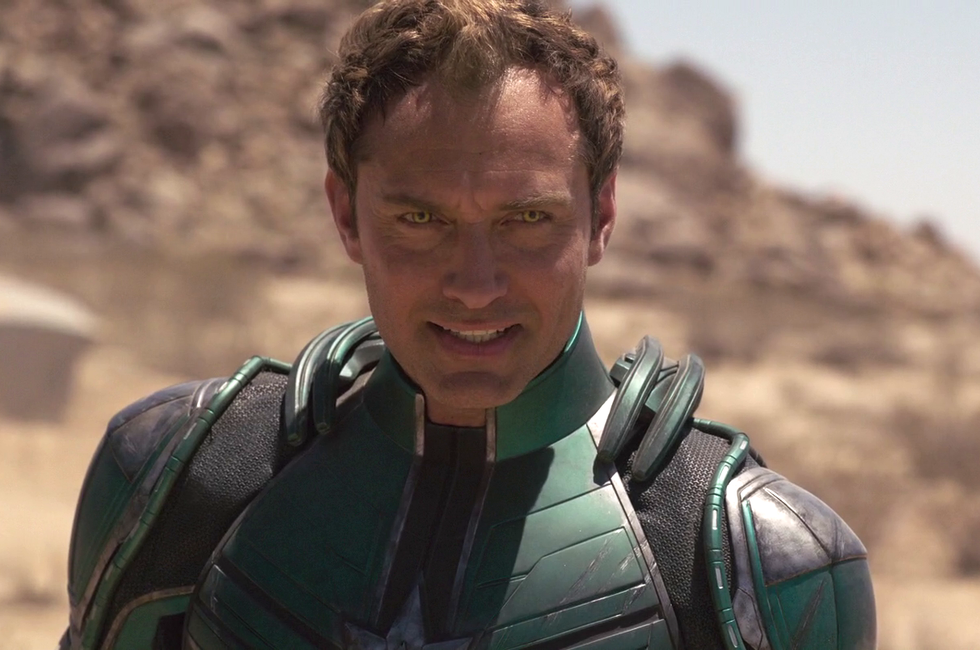
Even in the post-Endgame era, the franchise occasionally falters. Dar-Benn (The Marvels) and Kro (Eternals) struggled to leave a lasting mark, often overshadowed by the sheer scale of the ensembles they opposed. In these instances, the "villain problem" resurfaces not due to a lack of power, but a lack of personality. When a villain’s motivation is "generic destruction," the audience’s emotional investment inevitably wanes.
The Political and Psychological Shift
As the MCU matured, it began to explore the concept of the "human" villain—individuals without cosmic stones or magic hammers who could still bring empires to their knees. Robert Redford’s Alexander Pierce in Captain America: The Winter Soldier remains a masterclass in this approach. By utilizing Redford’s history in political thrillers, Marvel turned a superhero movie into a meditation on surveillance and systemic corruption.
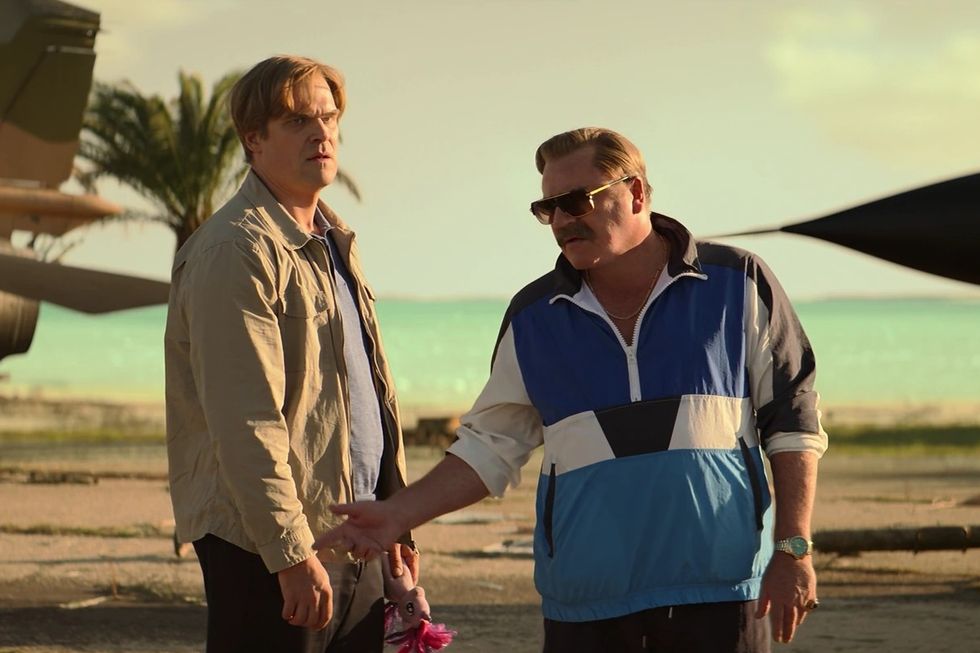
This grounded villainy continues with newcomers like Bill Metzger (Tramell Tillman) in Spider-Man: Brand New Day. As the head of the Department of Damage Control, Metzger represents a new kind of threat: the bureaucratic monster. He is the face of a system that views enhanced individuals as assets to be seized or problems to be liquidated. Similarly, Valentina Allegra de Fontaine (Julia Louis-Dreyfus) has emerged as a dark mirror to Nick Fury. Her presence across Black Widow, Wakanda Forever, and *Thunderbolts** suggests a shift toward an era where the primary antagonists are not aliens from the stars, but the very governments the heroes once served.

The Tragedy of the "Almost Right"
The most compelling villains are often those whose goals are sympathetic, even if their methods are monstrous. Erik Killmonger (Michael B. Jordan) redefined this tier in Black Panther. Killmonger wasn’t just a physical threat to T’Challa; he was a philosophical challenge to the isolationism of Wakanda. His anger was rooted in the real-world history of systemic oppression, making him a villain whose point was so valid that the hero ultimately had to adopt part of his ideology to move forward.
This trend of "villains with a point" extends to characters like Namor (Tenoch Huerta) and Wenwu (Tony Leung). Wenwu, in particular, brought a level of gravitas to Shang-Chi and the Legend of the Ten Rings that elevated the film into a poignant family drama. These aren’t men who want to rule the world for the sake of power; they are men driven by grief, heritage, and the protection of their own. When Tony Leung weeps on screen, the audience forgets he is "the bad guy," and that is the hallmark of elite screenwriting.
The Architects of Chaos and Cosmic Dread
In the upper echelons of the ranking, we see the transition into pure, unadulterated threat. The High Evolutionary (Chukwudi Iwuji) in Guardians of the Galaxy Vol. 3 stands out as perhaps the most loathsome figure in the franchise. Unlike Killmonger or Namor, there is no "making a good point" with the High Evolutionary. He is a sociopathic narcissist whose cruelty toward innocent creatures makes him the perfect foil for the empathetic evolution of the Guardians.
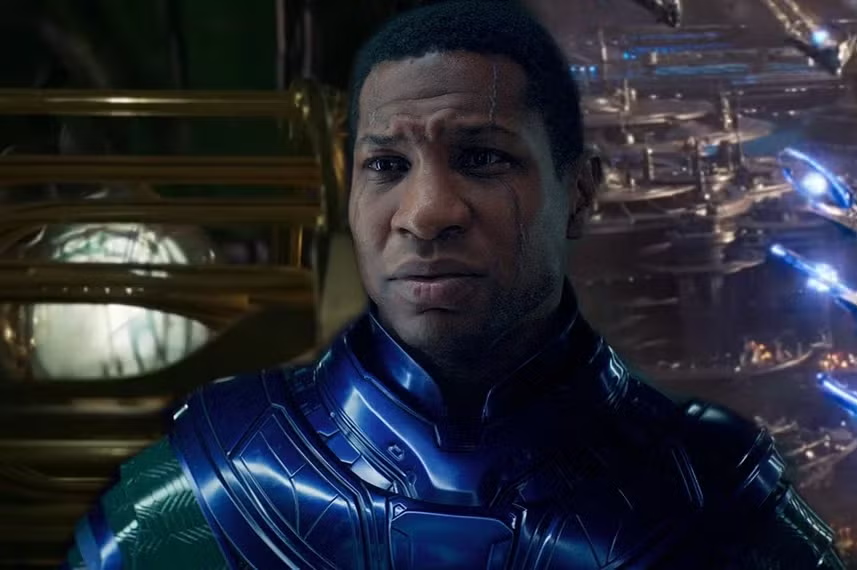
The multiverse has also introduced psychological horrors like The Void (Lewis Pullman) in *Thunderbolts*. By personifying the darkness within the Sentry, Marvel has moved into a more mature exploration of mental health and self-destruction. The Void isn’t just an enemy to be punched; it is a manifestation of the shadow self that must be managed and understood. This complexity is mirrored in Cassandra Nova (Emma Corrin), whose giddiness in Deadpool & Wolverine* provided a refreshing, albeit terrifying, change of pace from the stoic world-conquerors of the past.
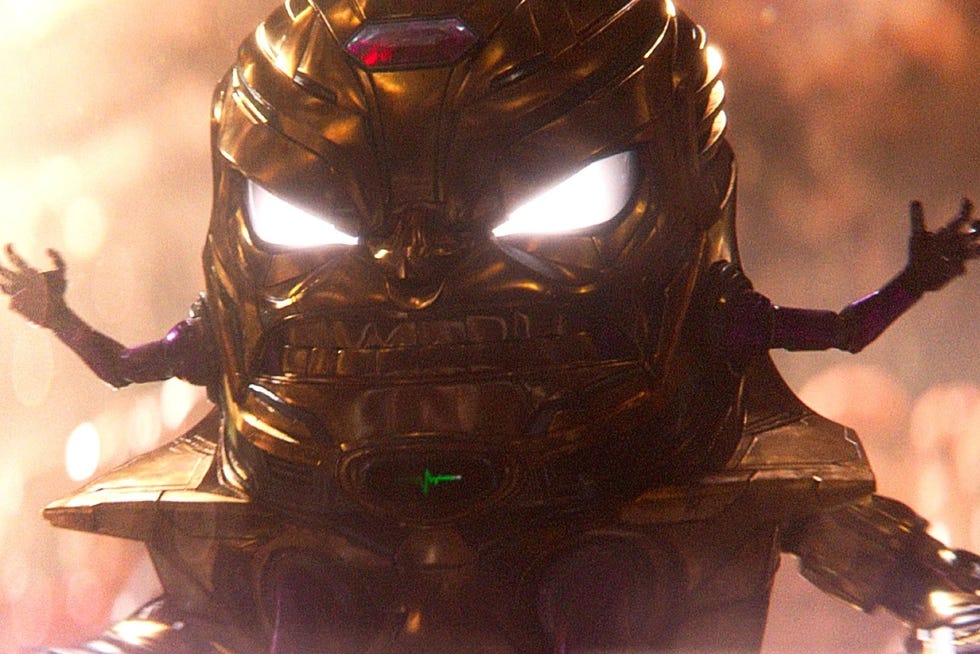
The Top Tier: The Icons
5. Adrian Toomes / Vulture (Michael Keaton): Toomes remains the gold standard for the "blue-collar" villain. He is a man who was screwed over by the system and decided to provide for his family by any means necessary. The tension in the "car scene" in Homecoming remains one of the most palpable moments in the entire MCU.

4. Wanda Maximoff / Scarlet Witch (Elizabeth Olsen): Wanda’s descent in Doctor Strange in the Multiverse of Madness is the franchise’s greatest tragedy. After years of loss, her turn to villainy felt earned and devastating. She became a horror-movie slasher, fueled by the most relatable of all motivations: the desire to be with her children.
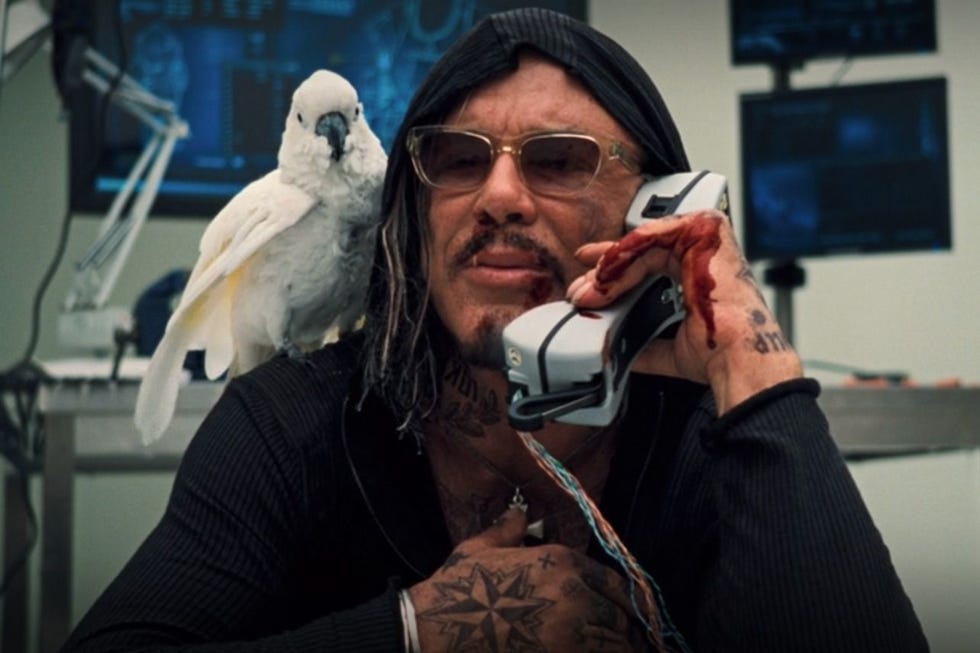
3. Norman Osborn / Green Goblin (Willem Dafoe): Transported from the Raimi-verse into No Way Home, Dafoe reminded audiences why he is the definitive Spider-Man antagonist. He represents pure, chaotic evil—the kind that doesn’t want to rule the world, but simply wants to prove that the hero is just as broken as he is.
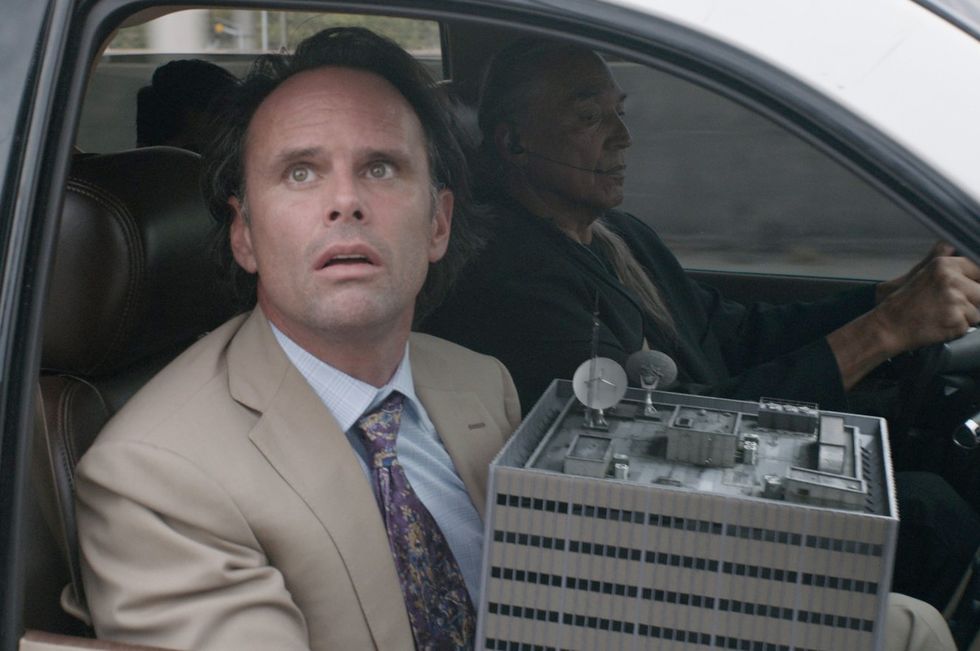
2. Thanos (Josh Brolin): The "Big Bad" who actually lived up to a decade of hype. Thanos was the protagonist of Infinity War, a religious zealot who viewed genocide as an act of mercy. Brolin’s understated, weary performance made the Mad Titan feel like an inevitable force of nature rather than a cartoon monster. He is the rare villain who actually won, forcing the heroes to undergo a five-year period of mourning and failure.
1. Loki (Tom Hiddleston): There is no MCU without Loki. From the petulant brother in Thor to the would-be king in The Avengers, and finally to the God of Stories in his own series, Loki’s journey is the backbone of the franchise. He is "delicious" in his mischief, heartbreaking in his insecurity, and ultimately, the most fully realized character in the entire Marvel stable. He proved that a villain doesn’t have to stay a villain to be the most interesting person in the room.
Implications for the Future
As the MCU moves toward Avengers: Doomsday and the integration of the X-Men, the role of the antagonist is shifting again. The introduction of figures like Galactus and the Silver Surfer in The Fantastic Four: First Steps suggests a return to cosmic-scale threats, but with a renewed focus on the tragedy of their existence. Meanwhile, the emergence of mutants, signaled by Jean Grey’s (Sadie Sink) antagonistic role in Spider-Man: Brand New Day, promises a future where the line between "hero" and "villain" is thinner than ever. The MCU has learned that while a hero can save the day, it is the villain who defines the era.
