
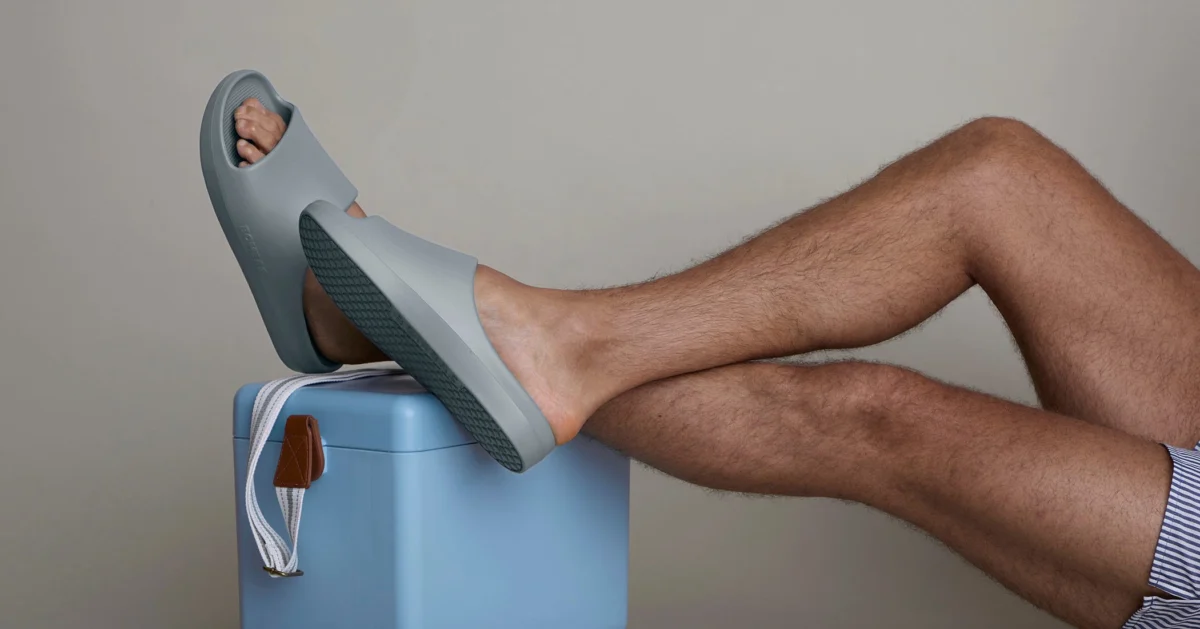
"Modern footwear engineering has transformed the humble slide from a simple locker-room accessory into a sophisticated tool for orthopedic recovery and high-fashion versatility."
As consumer demand for comfort-first footwear continues to surge, the footwear industry has responded by integrating advanced materials—such as dual-density foams and anatomical cork—into the design of slides. This evolution reflects a broader cultural shift where the boundaries between athletic recovery, domestic leisure, and casual social attire have become increasingly blurred. Choosing the right slide now requires an understanding of biomechanics, material science, and the specific environmental demands of the wearer, ranging from the high-impact needs of marathon runners to the aesthetic requirements of luxury resort wear.
The Engineering of the Modern Slide
The primary function of a high-quality slide has shifted toward "active recovery." For athletes and individuals who spend significant portions of their day on their feet, the impact of walking on hard, unforgiving surfaces like concrete and tile can lead to chronic conditions such as plantar fasciitis or Achilles tendonitis. Footwear designers are now utilizing dual-density cushioning to mitigate these risks. This technology typically involves a softer top layer of foam to provide immediate "step-in" comfort and a firmer bottom layer to ensure structural integrity and energy return.

Lululemon’s entry into this space represents a pinnacle of this design philosophy. By prioritizing water resistance alongside recovery features, their silhouettes address the dual needs of protection and comfort. In a performance context, a slide must protect the foot from heated pavements—which can reach temperatures significantly higher than the ambient air—while maintaining a grip that prevents the foot from sliding within the shoe, a common cause of friction blisters.
The Science of Post-Exertion Recovery
For the dedicated athlete, the period immediately following a workout is critical for physiological restoration. Footwear like the Hoka Ora Recovery Slide is engineered specifically for this "cool-down" phase. The inclusion of multiple airflow channels across the upper is not merely an aesthetic choice; it is a functional necessity for thermal regulation. After intense cardiovascular exercise, the feet often swell and generate significant heat; breathability allows for faster cooling and edema reduction.
Furthermore, the geometry of a recovery slide often features a "rocker" or contoured midsole. This design assists the natural gait cycle, reducing the effort required by the intrinsic muscles of the foot. For those with wider feet, a spacious footbed is essential to allow for natural toe splay, which is often restricted during running in narrow athletic shoes. By providing thick layers of foam in the arch and heel, these slides help maintain proper skeletal alignment, thereby reducing secondary strain on the knees and lower back.
Orthopedic Support and Foot Health
While many slides offer soft cushioning, fewer provide the rigorous arch support necessary for those with pre-existing foot conditions. Orthopedic experts frequently highlight the dangers of "dead-flat" footwear, which offers no support to the medial longitudinal arch. The OOFOS OOahh Slide utilizes a proprietary foam technology designed to cradle the foot’s natural shape.

The physics of this material are distinct from standard EVA (ethylene vinyl acetate) foams found in budget footwear. These specialized foams are designed to absorb a higher percentage of impact with every step, rather than bouncing back. This "dampening" effect is particularly beneficial for individuals recovering from tendonitis or hammertoe deformities. Beyond the mechanical benefits, the use of moisture-resistant and antimicrobial materials ensures that the footwear remains hygienic even in humid environments like communal showers or tropical beaches.
The Longevity of Natural Materials: The Case for Cork
In an era dominated by synthetic polymers, the Birkenstock Arizona remains a benchmark for durability and personalized fit. The reliance on a sustainable cork and latex footbed offers a different utility than foam-based slides. Cork is a "living" material in a functional sense; it reacts to the heat and pressure of the wearer’s foot over time, eventually molding into a custom orthotic.
The anatomical design of these classic slides includes a deep heel cup and a raised toe bar, which encourages the natural gripping motion of the toes. While these materials are not quick-drying—and thus less suitable for pool-side use—the suede and leather uppers offer a level of stylistic versatility that synthetics cannot match. When paired with linen trousers or structured shorts, the cork-based slide transitions seamlessly from a domestic setting to a sophisticated outdoor social environment.
Domestic Utility and the "House Shoe" Revolution
The rise of remote work has catalyzed the demand for "indoor-outdoor" footwear. Brands like Bombas have leveraged EVA foam—the same material popularized by the clog industry—to create slides that are exceptionally lightweight and waterproof. The structural design of these slides often features a "honeycomb" or ribbed tread, which provides necessary traction on hardwood or tile floors, preventing domestic slips and falls.

However, the chemical composition of EVA requires specific care. Because it is a closed-cell foam, it is highly susceptible to thermal expansion. Leaving such footwear in extreme heat, such as inside a car or in direct sunlight on a patio, can cause the material to warp or shrink. This highlights the importance of understanding material limitations; while EVA is ideal for its "off-duty" energy and ease of cleaning, it lacks the heat resistance of rubber or leather.
Hydrophobic Design for Aquatic Environments
For environments defined by constant water exposure—pools, beaches, and boat decks—hydrophobic properties are the primary concern. The Adidas Adilette series and similar pool slides are constructed to shed water instantly. This prevents the "squishing" sensation and the bacterial growth associated with damp fabrics.
The outsoles of these aquatic-focused slides often feature sawtooth ridge patterns. This geometry is specifically designed to displace water, allowing the rubber to make direct contact with the ground and providing a "squeegee" effect that ensures stability on wet concrete. These slides are also highly effective for travelers; their lightweight nature makes them easy to pack, and their ability to accommodate swollen feet makes them ideal for use after long-haul flights.
Luxury and the Designer Slide Market
The luxury sector has embraced the slide as a canvas for brand heritage. The Burberry Furley Check Slide, for instance, utilizes the brand’s iconic pattern to signal prestige. While the price point of designer slides is significantly higher, the investment often covers more than just the logo. These products frequently utilize high-grade synthetic linings that offer a superior tactile experience compared to mass-market versions.
When styling luxury slides, fashion experts suggest a "minimalist focal point" approach. Because the footwear itself is a statement piece, the rest of the attire should remain monochromatic and devoid of competing patterns. This ensures that the slide serves as the anchor of the outfit, whether at a high-end resort or a casual dinner.
Stability Through Multi-Strap Architecture
Finally, for those who require maximum stability in a slip-on format, the multi-strap design offers a solution. The Reef Oasis Double Up, for example, uses two straps to distribute pressure more evenly across the dorsal aspect of the foot. This prevents the "clawing" of toes that often occurs with single-strap slides as the wearer tries to keep the shoe from flying off.
A double-strap system, combined with a deep heel cup, provides a level of security comparable to a full shoe while maintaining the breathability of a sandal. This makes them particularly effective for active summer days that involve significant walking, such as visits to water parks or coastal explorations.
Conclusion: Selecting the Right Footbed
The selection of a slide should ultimately be dictated by the primary use case. For pure recovery and orthopedic health, proprietary foams and high arch support are non-negotiable. For longevity and stylistic versatility, natural cork and leather remain the gold standard. For aquatic and domestic utility, lightweight EVA and quick-drying synthetics offer the best performance. By understanding the intersection of these materials and designs, the modern man can ensure his footwear supports both his physical well-being and his personal style.
