
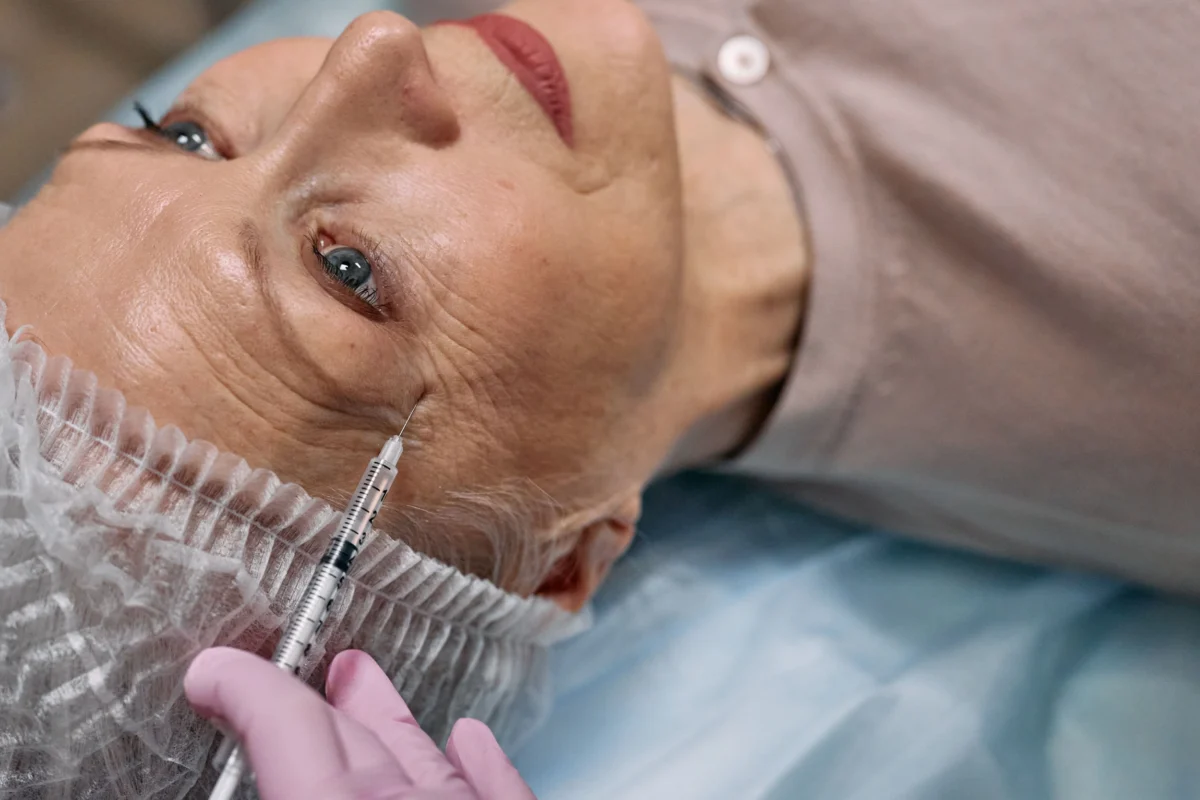
"The shift from clinic-based microneedling to at-home devices highlights a critical but often overlooked risk: needle hygiene. While professional settings have long managed this, the home environment presents unique challenges, underscoring the importance of sterile, single-use components and carefully formulated products."
The widespread adoption of at-home beauty treatments, particularly those involving needle-based devices, has brought a previously clinic-bound procedure into the domestic sphere. This transition, while offering convenience and accessibility, introduces a significant challenge that clinics have historically addressed: the safe disposal and management of needles that have come into contact with the skin. While older technologies like derma rollers were often reused, newer innovations, such as sterile, single-use micro-infusion systems, are reshaping the landscape of at-home microneedling by fundamentally altering the approach to hygiene and safety, shifting the focus from user cleaning protocols to design-integrated sterility.
Historically, the practice of microneedling, whether performed in a clinical setting or at home, involves the use of fine needles to create microscopic punctures in the skin. In a dermatologist’s office, microneedling is considered a medical procedure, often employing longer needles to address concerns like acne scarring and other textural irregularities. While clinical studies supporting these applications are often limited in scope, the procedure is performed by trained professionals who adhere to stringent sterilization protocols. In contrast, at-home devices, such as the micro-infusion systems now available for domestic use, typically utilize much shorter needles. These are positioned as cosmetic tools, designed to enhance the absorption of topical serums by creating temporary pathways on the skin’s surface. Seranova, a prominent manufacturer in this space, describes their needles as creating "temporary surface pathways that help enhance serum absorption." It is crucial to distinguish between the therapeutic outcomes of clinical microneedling and the cosmetic benefits of at-home systems; however, both share the fundamental characteristic of a needle making contact with the skin, thereby necessitating a paramount focus on hygiene.
The potential complications arising from microneedling, while often minor and transient, warrant careful consideration. These typically include localized redness, mild swelling, and occasional minor breakouts. However, the medical literature also documents more serious adverse events, which frequently share a common etiology. Dermatologists have reported instances of skin infections following microneedling procedures. Some of these infections have been attributed to slow-growing bacteria, which can manifest weeks after the initial procedure and require months of treatment. In several documented cases, the origin of these infections has been traced back to instruments or products that were not adequately sterilized.
Beyond infections, a second category of complications relates to the topical products used in conjunction with the needles. Physicians have reported the occurrence of granulomatous reactions, characterized by the formation of firm, persistent nodules on the skin. These reactions have been observed when topical products not originally intended for use with microneedling devices are applied. A serum or cream that is benign when used alone can elicit an adverse response when introduced into the skin via needle punctures. While these events are infrequent, their largely preventable nature underscores the critical importance of two fundamental questions that dermatologists consistently emphasize: the sterility of the needle and the appropriateness of the product for use with the device.
The issue of needle reuse presents a significant hurdle in maintaining hygiene for at-home microneedling devices. Reusable rollers, a common fixture in many home routines, make it difficult to guarantee sterility. Needles can become bent or dulled with repeated use, and standard cleaning methods, such as rinsing with water or soaking in alcohol, may not effectively reach the intricate spaces between the numerous fine needles. Furthermore, the common practice of storing these devices in warm, humid bathroom environments creates an ideal breeding ground for bacteria that can easily survive a superficial cleaning.
The advent of single-use, sterile needle heads offers a direct solution to the hygiene problem by eliminating the need for user-performed cleaning. Instead of relying on individuals to adhere to potentially complex and inconsistently executed sterilization protocols, these designs remove the cleaning step entirely. Seranova, for example, employs this design philosophy in its widely adopted at-home system. Their stamping device utilizes sterile microneedles, described as being as fine as a human hair, housed within a head that is attached for a single session and then discarded. The company explicitly states that these heads are not intended for reuse. With recommended session intervals of two weeks, a three-month supply typically comprises six disposable heads. The device operates through a stamping mechanism rather than a rolling action.
The second critical aspect, the selection of the appropriate topical product, is addressed with similar rigor by manufacturers like Seranova. The serum is supplied as part of the device system and is designed to flow through the needle head during the treatment session. Seranova strongly advises against using their system with any other serums, a recommendation that gains significant weight in light of reported adverse reactions to inappropriate products used with needle devices. This explicit guidance is one of the most important instructions provided with the product.
While enhanced sterility significantly mitigates risks, it does not entirely eliminate them. Certain individuals should refrain from using at-home needle devices, particularly when their skin is in a compromised state. Seranova advises against use on active acne, rosacea, or eczema. In cases of active acne, the skin is already inflamed and harbors a high bacterial load; applying a needle device can inadvertently spread both inflammation and bacteria. Similarly, individuals with rosacea or eczema have compromised skin barriers, making them more susceptible to irritation and infection. The company also recommends waiting at least two weeks after receiving injectables or undergoing in-clinic procedures before using their device. Performing a patch test prior to the first use is also advised, along with maintaining a safe distance of approximately three centimeters (about an inch and a half) from the eye area during application.
Specific demographic groups may require further consultation with a healthcare professional. While not always explicitly detailed in every company’s guidance, individuals who are pregnant, those taking anticoagulant medications, and individuals prone to keloid scarring should consult with a dermatologist before commencing any at-home needle treatments. These conditions can influence skin healing, bleeding, and scar formation, necessitating a personalized risk assessment.
Post-treatment care is an integral component of the overall hygiene and safety protocol. The hours immediately following a microneedling session are critical, as the skin can be more sensitive than usual. Seranova recommends avoiding makeup, direct sun exposure, and the application of harsh skincare products for at least 24 hours. Additionally, users are advised to pause the use of retinoids and exfoliating acids, such as glycolic or salicylic acid, for a period of 24 to 48 hours. Any leftover serum from the session is intended to be smoothed onto the skin and left overnight. Simple yet effective practices, such as ensuring clean hands, using a clean pillowcase, and consciously avoiding touching the face, contribute significantly to preventing post-treatment complications at no additional cost.
User experiences with devices like Seranova’s generally report a mild tingling sensation, accompanied by transient redness that typically subsides within a few hours to a day. The company cites a 12-week clinical study involving 29 participants, conducted by the independent laboratory EpiDermLab, where tolerance was rated as excellent, and no adverse events were reported. According to Seranova, 93% of participants observed visibly firmer-looking skin after 12 weeks. Furthermore, a January 2026 survey of 281 repeat customers indicated that 87% required no recovery time after use, and 80% perceived their skin as appearing firmer. It is important to note that these survey results are self-reported and have not been independently verified, and individual results can vary.
When evaluating an at-home needle device, several key questions can help discern a responsible product from a less conscientious one. Is each needle head individually sterile and sealed? Is the device designed for single use? Does it come with its own proprietary serum, with clear instructions not to substitute other products? Are contraindications, such as active acne, rosacea, eczema, and recent medical procedures, clearly outlined? Is supporting study information readily available? And is the recommended treatment schedule conservative, measured in weeks rather than days?
The broader principle underlying the safe integration of clinical procedures into the home environment is the transference of established safeguards. Responsible manufacturers of at-home health devices adapt not only the technology but also the crucial safety protocols from their clinical counterparts. This includes sterile components, products specifically formulated for the device, clearly defined contraindications, and carefully considered patient schedules. For individuals considering an at-home needle device, the initial inquiry should not focus on the choice of serum or the frequency of use, but rather on a more fundamental question: is the needle that will make contact with the skin new and sterile?
