
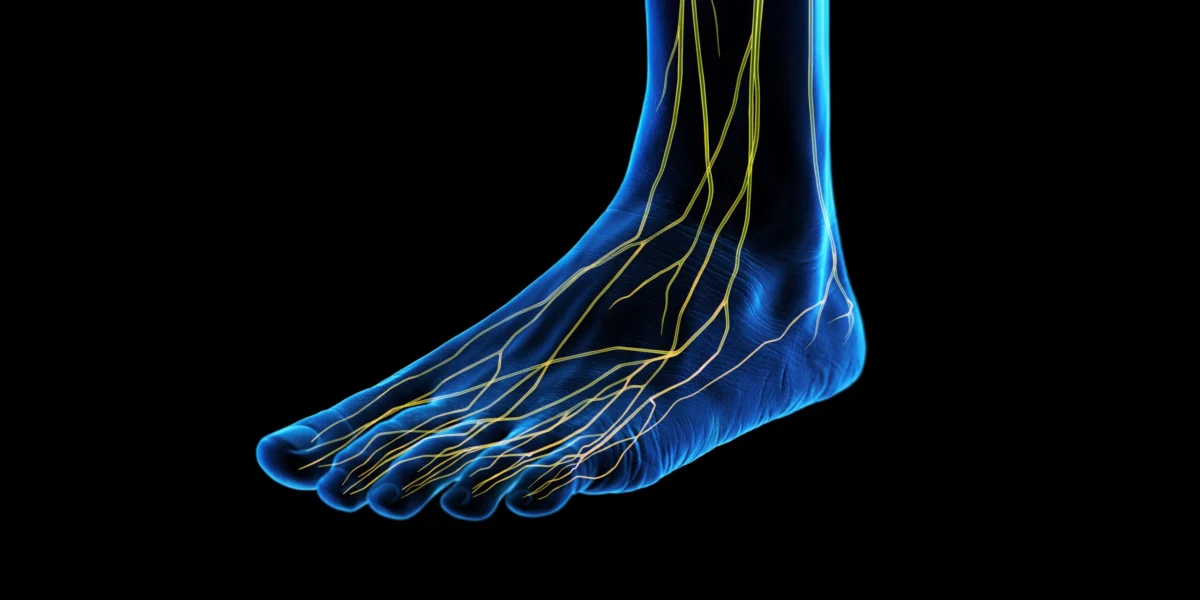
"The human foot is a complex mechanical masterpiece designed to alternate between a soft shock absorber and a rigid lever; neglecting its conditioning compromises the entire kinetic chain and invites chronic injury."
The human foot is often the most overlooked component of the athletic engine, yet it serves as the primary interface between the body and the earth. Comprising a dense architectural network of 26 bones, 33 joints, and over 100 muscles, tendons, and ligaments, the foot is responsible for managing the immense forces generated during locomotion. When functioning optimally, the foot transitions seamlessly from a pliable structure that absorbs impact to a rigid, propulsive beam that drives the body forward. However, modern lifestyles and improper training habits often degrade this functionality, leading to a cascade of issues that affect the ankles, knees, hips, and lower back. Understanding the mechanics of foot health is not merely about comfort; it is a fundamental requirement for anyone seeking to run faster, lift heavier, or maintain mobility throughout the aging process.
The Biological Engineering of the Foot
To appreciate the importance of foot conditioning, one must first understand the sheer complexity of its anatomy. The 26 bones in each foot represent approximately 25 percent of the total bone count in the human body. These bones are arranged in a series of arches—longitudinal and transverse—that act as natural springs. Surrounding these bones is a sophisticated web of soft tissue. The intrinsic muscles, located entirely within the foot, manage fine motor control and arch stability, while the extrinsic muscles, which originate in the lower leg, provide the power for movement.
Jay Dicharry, a physical therapist and professor at Oregon State University, emphasizes that the primary role of the foot is to optimize force management. When the foot strikes the ground, it must be "soft" enough to adapt to the terrain and dampen the shock of impact. Within milliseconds, it must then "lock" into a rigid structure to provide a stable platform for propulsion. If the foot loses this ability to switch between states, the body’s efficiency plummets, and the risk of injury skyrockets.
The Hazards of the "Weekend Warrior" Mentality
A significant portion of foot injuries arises from a disconnect between an individual’s perceived capabilities and their actual physiological conditioning. This is particularly prevalent among middle-aged men who may remain sedentary during the workweek but engage in high-intensity sports on the weekends. Dr. Allen Kempf, a podiatrist at the Des Moines University Clinic, notes that "desk jockeys" often suffer from significant tissue tightness due to inactivity.
When these individuals suddenly engage in explosive activities like soccer or basketball, the neglected tissues are subjected to loads they can no longer handle. The Achilles tendon, which anchors the calf muscles to the heel bone, is a frequent casualty of this "overdoing it" phenomenon. Without consistent conditioning, the tendon loses its elasticity, leading to ruptures or chronic tendinopathy. The transition from a sedentary state to high-impact exercise requires a gradual "re-awakening" of the foot’s supporting structures to prevent these catastrophic failures.
Neuromuscular Control and the Brain-Foot Connection
The health of the foot is as much about neurology as it is about biology. Movement is governed by a constant feedback loop between the brain and the peripheral nervous system. As Dicharry explains, the brain sends signals to the foot’s muscles to modulate the forces encountered during activity. This is known as neuromuscular control.
Failure in this system occurs in two primary ways. First, the brain may lack the "training" or proprioceptive awareness to manage complex movements, leading to poor coordination. Second, the physical tissues—the muscles and tendons—may be too weak to execute the brain’s commands. When this communication or execution breaks down, force is misdirected. Instead of being absorbed by the muscles and arches, the impact travels into the bones and connective tissues, resulting in stress fractures or the debilitating inflammation of the plantar fascia. Training the feet is, therefore, a process of strengthening both the "hardware" of the muscles and the "software" of the nervous system.

The Downstream Effects of Underuse and Instability
Neglect is perhaps the most insidious threat to foot health. In a world of flat, paved surfaces and supportive footwear, the intrinsic muscles of the foot are rarely challenged. This leads to a loss of adaptability. When an individual eventually encounters uneven terrain—such as a hiking trail or even a cracked sidewalk—the feet and ankles may lack the stability to compensate.
If the foot cannot provide the necessary first line of defense against imbalance, the body is forced to compensate further up the kinetic chain. This usually manifests as a lateral shift in the hips. For younger athletes, this might result in decreased performance or knee pain; for older adults, this instability is a primary cause of falls. Strengthening the foot is not just about athletic prowess; it is a vital component of geriatric health and fall prevention.
A Targeted Protocol for Foot Strengthening
Restoring foot function does not require hours in the gym, but it does require consistency. Experts suggest dedicating 8 to 12 minutes to foot-specific exercises three or four times a week. Significant improvements in neuromuscular skill can often be felt within a week, while structural strength gains typically materialize over several months.
1. The Slant-Board Bottle Pass (Arch Stabilization)
This exercise targets the muscles of the arch and the stabilizers of the ankle. By standing sideways on a slanted board (10–15 degrees) with the outer edge of the foot elevated, the individual forces the arch to engage to maintain balance. Lifting the opposite foot and passing a water bottle from hand to hand introduces a dynamic element that forces the foot to react to shifting centers of gravity. This builds a robust foundation for all other movements.
2. The Tippy Twist (Dynamic Stability)
The Tippy Twist is designed to integrate foot stability with hip mobility. While balancing on one leg, the individual leans forward, extending the non-standing leg behind them. By rotating the hips toward the floor and then away, the standing foot must constantly adjust its grip and tension to keep the body upright. This mimics the unpredictable forces encountered during sports and helps prevent the "lateral shift" that leads to falls.
3. Creeper Walks (Isometric Loading)
Creeper walks involve walking very slowly while holding weights, with the heels hovering just a centimeter off the ground. This creates a sustained isometric load on the calves and the intrinsic muscles of the foot. It is an excellent builder of stability and endurance. However, it should be avoided by those currently suffering from active plantar fasciitis, as the tension may exacerbate the inflammation.
The Role of Footwear and Technology
The discussion of foot health is incomplete without addressing footwear. Dr. Meghan Kelly, an orthopedic surgeon, emphasizes that shoes must match the shape of the foot and the requirements of the specific activity. A poorly fitted shoe can exacerbate underlying structural issues, such as bunions or collapsed arches.
A general rule of thumb for active individuals is to replace athletic shoes every 400 miles or once a year, as the internal cushioning and structural support degrade long before the outer sole appears worn. Furthermore, the rise of "super shoes"—which utilize carbon plates and ultra-responsive foams—and the "minimalist" or barefoot movement have changed the landscape of foot health. While these technologies can offer performance benefits, they alter the mechanical stress placed on the foot. Any transition to new shoe types or barefoot training should be done incrementally to allow the tissues to remodel and adapt to the new loading patterns.
Ultimately, the feet are the foundation of the human body. By treating them with the same training rigor applied to the core or the cardiovascular system, individuals can ensure a lifetime of pain-free movement and peak physical performance. Training begins at the ground and works its way up; to ignore the feet is to ignore the very base of one’s physical potential.
