
"A rare case of distorted facial perception in a child, linked to a common respiratory bacterium, highlights the growing awareness of Mycoplasma pneumoniae’s potential to trigger unusual neurological issues, even as infection rates remain elevated in some regions."
The bacterium Mycoplasma pneumoniae, primarily known as the culprit behind walking pneumonia, has seen a concerning surge in prevalence among young American children in 2024. While most infections remain confined to the respiratory system and resolve without lasting impact, a growing body of research is cataloging a wider spectrum of rare neurological complications associated with this germ. A recent case from Japan, detailing a child’s profoundly strange visual distortions, adds a particularly unusual dimension to this unfolding medical narrative. This phenomenon underscores the importance of recognizing that common pathogens can sometimes trigger uncommon and unsettling neurological responses.
A Child’s Distorted Reality and the Antibody Clue
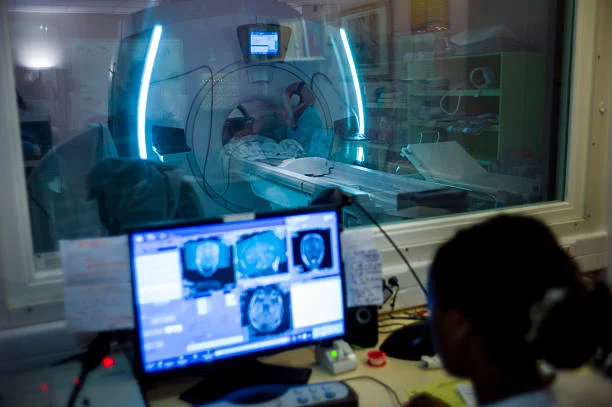
The extraordinary case involved a four-year-old Japanese boy who, days after recovering from a mild upper respiratory infection, began experiencing a peculiar visual disturbance: human faces appeared distorted, with features like eyes and hair seemingly stretched. His subsequent medical evaluations, including a comprehensive eye examination, brain MRI, vascular imaging, and EEG, all yielded normal results. His visual acuity was excellent, and his cognitive function, assessed by IQ testing, was well within the superior range, scoring 123. The sole abnormality detected was an elevated antibody level of 1:160 against M. pneumoniae in his blood.
This specific finding, an elevated antibody titer, serves as a crucial clue, suggesting a potential immune response triggered by the bacterium. While the antibody level was described as mild, it points towards a possible link between the past infection and the boy’s unusual symptoms. The authors of the report, published in Cureus on February 3, 2026, hypothesized that an autoimmune or inflammatory reaction might have disrupted the intricate neural networks responsible for facial processing in the boy’s brain. This type of post-infectious neurological sequela, where the body’s own immune system inadvertently targets its tissues in response to an infection, is a recognized phenomenon in medicine, though its manifestation can vary widely.
The researchers acknowledged the limitations of their findings. A mild antibody elevation, while suggestive, does not definitively prove causation. Prosopometamorphopsia, the diagnosed disorder, is exceedingly rare. A comprehensive review published in Cortex in 2021 analyzed a mere 81 cases documented over the preceding century, with the vast majority reported in the last hundred years. This rarity amplifies the significance of this case, particularly given its occurrence in early childhood, a developmental stage where the brain is still highly plastic and susceptible to various influences.
The Tokyo-based medical team did point to a precedent that further supports their hypothesis. A seven-year-old girl had previously been reported to experience Alice in Wonderland syndrome, characterized by perceptual distortions, following an M. pneumoniae infection. In her case, she perceived her mother’s face, fingers, and other objects as significantly smaller than they actually were, indicating another form of visual distortion linked to the bacterium.
Mycoplasma pneumoniae: A Bacterium with Far-Reaching Implications
The capacity of M. pneumoniae to affect the central nervous system is not a new discovery. As far back as 1993, a comprehensive analysis by Marjaleena Koskiniemi at the University of Helsinki estimated that problems affecting the central nervous system occurred in approximately one out of every 1,000 patients infected with the bacterium. This early research laid the groundwork for understanding that M. pneumoniae could extend its influence beyond the lungs.
More recent data continues to reinforce this understanding. A review published in Open Forum Infectious Diseases on June 4, 2026, collated 207 published cases of M. pneumoniae-associated central nervous system manifestations between 2015 and 2025. The patient population in this review spanned a wide age range, from 3 to 69 years old. Encephalitis, an inflammation of the brain, emerged as the most frequent complication, accounting for 72% of these cases. The majority of patients received antibiotic treatment, and a significant 81% achieved a complete recovery. Notably, similar to the Tokyo case, diagnoses in many of these instances relied heavily on serological evidence – blood tests detecting antibodies against the bacterium.
The impact of M. pneumoniae is not limited to pediatric populations. A multicenter study published in July 2026 examined adults hospitalized with the infection during France’s 2023-2024 epidemic. Among 1,309 adult patients, 28 (approximately 2.1%) exhibited neurological complications attributed to the infection, demonstrating that adults are also susceptible to these extra-pulmonary effects.
The 2024 Wave and a Concerning Cluster in South Korea
In the United States, the Centers for Disease Control and Prevention (CDC) identified a notable increase in M. pneumoniae infections during 2024. This rise was particularly pronounced in children aged 2 to 4 years, a demographic historically less affected by this bacterium compared to school-aged children. Emergency department visits peaked in August 2024. The CDC has indicated that while infections in children under five were not more severe than in previous years and have shown a declining trend since early 2025, they remained elevated in certain regions into 2026. It is important to note that a national surveillance system for M. pneumoniae infections is not currently in place, making comprehensive tracking challenging.
South Korea experienced a particularly unexpected trend during the same 2024 wave. A study published in the CDC’s journal Emerging Infectious Diseases identified a cluster of 17 children diagnosed with M. pneumoniae-associated encephalitis or stroke across three hospitals between October 2023 and December 2024. The median age of these affected children was 8.8 years. Twelve of them presented with encephalitis, while five experienced ischemic strokes. A significant proportion, seven children, required intensive care, and four had no preceding respiratory symptoms. Their hospitalizations were considerably longer, with a median stay of 29 days, compared to the 6-day median for children hospitalized with the infection but without neurological involvement.
Fortunately, no fatalities were reported within this South Korean cohort. At the time of follow-up, the majority of children who experienced encephalitis (83.3%) and stroke (60%) showed no or only mild long-term disability. While similar clustering was not observed in preceding seasons, the researchers cautioned against definitive conclusions, suggesting that the pattern might reflect enhanced detection, increased clinical awareness, or a genuine shift in the disease’s presentation. They also raised the possibility of an "immunity gap" potentially created by the suppression of respiratory germ circulation during pandemic-related lockdowns and social distancing measures.
Heeding Unusual Complaints: The Importance of Vigilance
It is crucial to reiterate that neurological complications stemming from M. pneumoniae infections remain rare. The vast majority of children infected with this bacterium recover fully without any discernible neurological sequelae. The diagnostic challenge often lies in definitively proving causation, as many diagnoses rely on indirect evidence like blood antibody tests, which can be influenced by various factors and do not always establish a direct link between the infection and a specific neurological event.
The pediatricians in the Tokyo case emphasized the importance of taking children’s descriptions of unusual sensory experiences seriously. They urged clinicians to "avoid dismissing them as imagination or play," particularly in young children who may struggle to articulate their perceptions. The boy’s drawings, in this instance, served as a vital tool in understanding and documenting his experience.
Parents are advised to seek prompt medical attention if a child exhibits signs of seizures, confusion, unusual lethargy, weakness, or a sudden change in behavior during or after a respiratory illness. Similarly, persistent visual distortions, such as those described in the Japanese case, warrant a thorough pediatrician’s evaluation to rule out underlying neurological issues, even if the initial respiratory symptoms were mild. Early recognition and appropriate medical intervention are key to managing any potential complications and ensuring the best possible outcomes for affected children. The evolving understanding of Mycoplasma pneumoniae‘s broader impact necessitates a heightened awareness among both healthcare providers and the public regarding its potential beyond the confines of the lungs.
