

"Integrating a sauna into the home environment represents a shift from luxury indulgence to essential wellness infrastructure, offering profound cardiovascular and recovery benefits through controlled heat stress."

The rapid expansion of the home wellness market has transformed the way athletes and health-conscious individuals approach recovery, moving beyond simple foam rollers to sophisticated thermal therapy units. Once reserved for high-end commercial spas or professional training facilities, saunas are now being engineered for residential basements, backyards, and even small apartments. This shift is driven by an increasing body of research suggesting that regular sauna use can improve heart health, boost metabolic function, and provide a critical mental reprieve from the digital world. As the technology evolves, consumers are faced with a diverse array of options, ranging from traditional high-heat barrel designs to tech-integrated infrared cabins and ultra-portable steam boxes.
The Return of the Traditional: The Barrel Design
For those seeking the quintessential sauna experience, the traditional wood-fired or high-voltage electric heater remains the gold standard. The Almost Heaven Salem Barrel Sauna exemplifies this category, offering a rustic aesthetic that serves as a functional centerpiece for outdoor spaces. The barrel shape is not merely a stylistic choice; the curvature of the walls promotes natural heat convection, allowing the air to circulate more efficiently than in a square room. This design minimizes "dead zones" where air can stagnate, ensuring a consistent temperature throughout the cabin.

Constructed from thick staves of cedar or spruce, these units are built to withstand the elements while providing the natural aromatherapy associated with heated wood. The Salem model, capable of reaching temperatures up to 195°F, provides the "heat shock" necessary to trigger the production of heat shock proteins, which assist in cellular repair. While assembly is manageable for two people in an afternoon, the infrastructure requirements—specifically a 240V, 30-amp hard-wired connection—highlight the transition of the home sauna from a simple appliance to a permanent piece of home infrastructure.
The Infrared Revolution: Targeted Thermal Therapy
While traditional saunas heat the air around the body, infrared technology has introduced a different mechanism of action. Units like the Sunlighten mPulse Aspire represent the cutting edge of this field, utilizing near, mid, and far-infrared wavelengths to penetrate the skin and heat the body’s core directly. This allows for a lower ambient temperature (typically around 160°F), which many users find more tolerable for longer sessions.

The Aspire is specifically designed for indoor integration, fitting into compact spaces such as a basement closet or a home gym corner. Beyond the heat, this model incorporates red-light therapy, a treatment gaining traction for its potential to improve skin health and reduce surface-level inflammation. The integration of modern technology, including an Android tablet and a high-quality sound system, transforms the recovery session into a multi-sensory ritual. As noted by industry experts, the assembly of these units has become increasingly user-friendly, utilizing color-coded wiring and precision-engineered panels that mimic the assembly of high-end furniture rather than a complex construction project.
Full-Spectrum Luxury and Scale
For users where budget and space are less restrictive, the market offers "ultra-luxe" options that prioritize both material quality and capacity. The HigherDose Full Spectrum Infrared Sauna and the Sun Home Saunas Luminar Outdoor represent the pinnacle of this category. These units often feature mahogany interiors and carbonized, heat-treated cedar exteriors, which are virtually impervious to rot and decay.
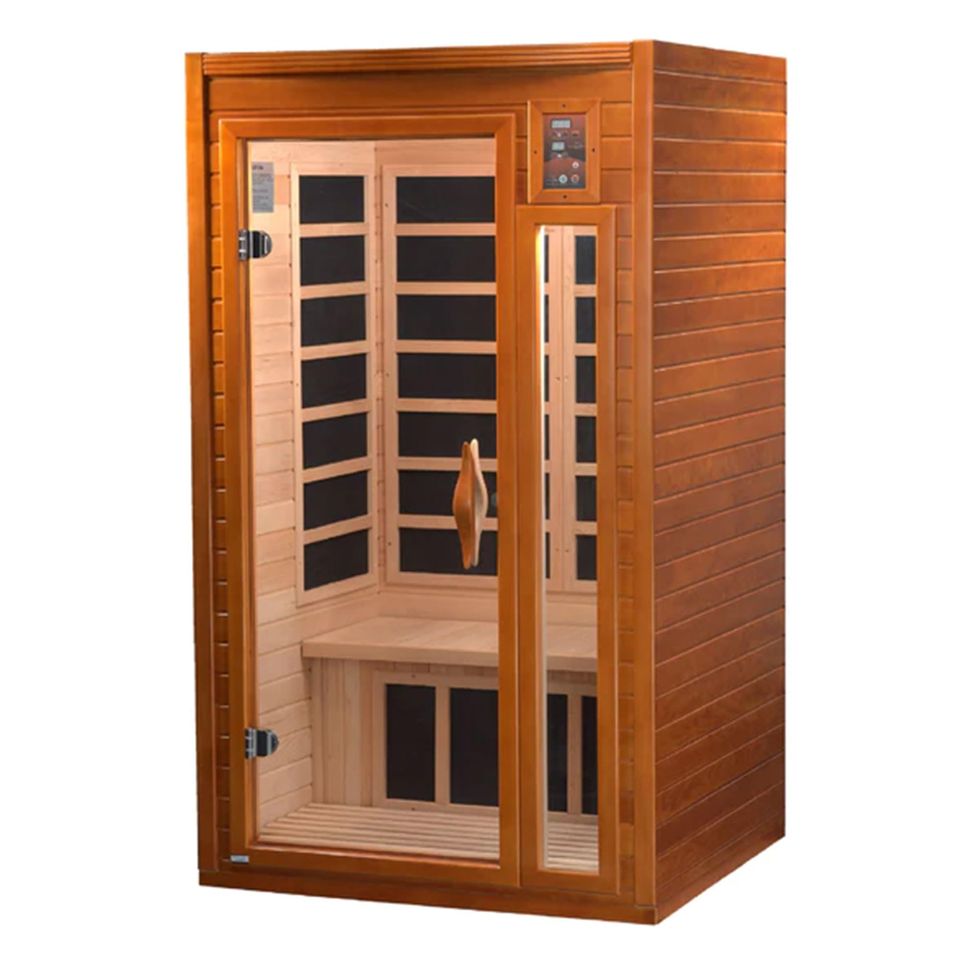
The Luminar Outdoor model is particularly notable for its scale, accommodating up to five people. It utilizes 15 high-output heaters to ensure that even in a large cabin, the heat remains uniform. Controlled via a dedicated mobile app, these premium units allow users to pre-heat their sauna remotely, ensuring it is ready the moment a workout ends. The use of carbon/ceramic heaters in these models is designed to keep Electromagnetic Field (EMF) levels low, addressing a common concern among infrared users regarding long-term exposure to electronic components in close quarters.
Democratizing the Sweat: Accessibility and Portability
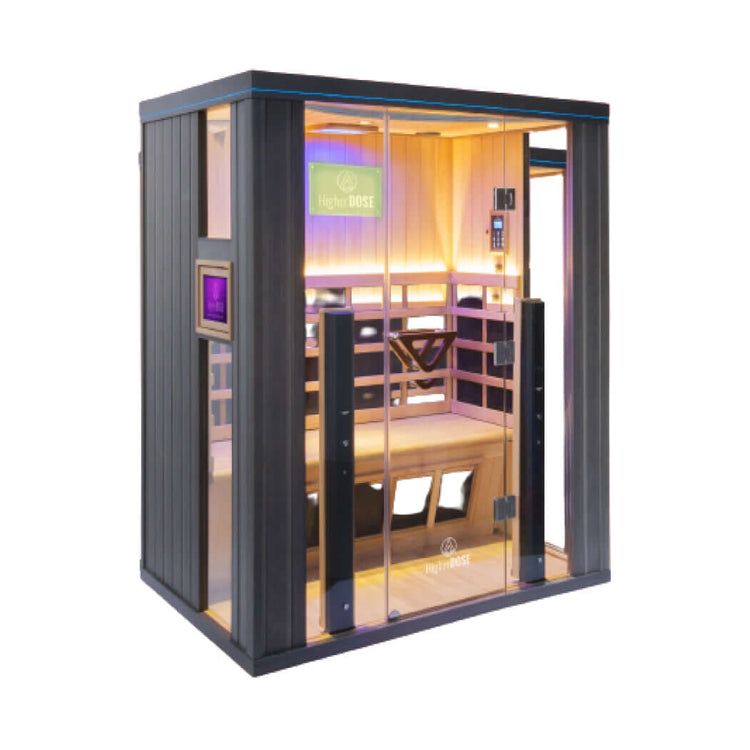
The high cost of entry—often exceeding $10,000 for premium models—has historically been a barrier to sauna ownership. However, a new tier of "entry-level" and portable options is democratizing access to heat therapy. The Dynamic Saunas Hemlock Wood model, priced around $1,600, offers a legitimate two-person infrared experience with a minimalist footprint. By using hemlock wood and simplified clasp-together panels, these units provide the benefits of a permanent cabin at a fraction of the price and installation time.
For those with severe space constraints, such as apartment dwellers, the emergence of the "sauna box" and "sauna blanket" has been a game-changer. The X-Vcak Upgraded Sauna Box is a portable steam unit that can be set up or broken down in twenty minutes. While it lacks the aesthetic appeal of a cedar cabin, its ability to reach 149°F provides a legitimate sweat session for under $150.
Similarly, the HigherDose Infrared Sauna Blanket offers a "sleeping bag" style experience. Using polyurethane leather and infrared layers, it allows the user to experience targeted heat while lying down. While these portable options require more frequent cleaning—often necessitating specialized inserts to manage moisture—they provide a viable path for consistent thermal therapy in environments where a permanent structure is impossible.

Material Science and Longevity
The choice of materials in a home sauna is a critical factor in its longevity and the quality of the experience. Cedar is the traditional favorite due to its natural resistance to moisture and its pleasing scent. However, "carbonized" wood is becoming more prevalent in high-end models. This process involves heat-treating the wood to remove organic compounds, making it more stable and less likely to warp or crack under the extreme temperature fluctuations of an outdoor sauna.
In contrast, many budget-friendly indoor models use Hemlock. While durable and strong, Hemlock lacks the natural oils of Cedar and is better suited for the controlled humidity of an indoor environment. For portable units, the focus shifts to waterproof canvases and non-toxic plastics that can withstand repeated folding and unfolding without degrading the thermal seal.

The Logistics of Installation
Prospective owners must consider the logistical tail of sauna ownership. A 600-pound barrel sauna or a 1,200-pound five-person cabin requires a stable, level foundation—typically a concrete pad or a reinforced deck. Furthermore, the electrical requirements cannot be overlooked. While portable boxes and blankets run on standard 120V outlets, most permanent infrared cabins require a dedicated 20-amp circuit, and traditional electric saunas require a 240V connection similar to a clothes dryer or an electric oven.
Delivery is another variable. While some retailers include curbside delivery in the purchase price, others may charge upwards of $1,000 for freight. Because these units arrive as large, heavy crates, users should be prepared for the "final mile" of transport from the curb to the installation site, which often requires multiple sets of hands or professional assistance.

Conclusion: Choosing the Right Recovery Tool
The decision to invest in a home sauna should be guided by a combination of health goals, available space, and budget. For the purist who enjoys high heat and steam, a traditional barrel sauna remains the most authentic choice. For the tech-focused individual looking for deep tissue recovery and skin benefits, a full-spectrum infrared cabin offers a more controlled and data-driven experience.
Ultimately, the best sauna is the one that will be used consistently. Whether it is a $14,000 carbonized cedar cabin in the backyard or a $700 infrared blanket in a studio apartment, the physiological benefits of regular heat exposure are well-documented. By bringing this technology into the home, individuals are taking a proactive step in managing their long-term health, transforming a simple "sweat" into a sophisticated pillar of their daily wellness routine.
