
"Transitioning to natural deodorant is no longer a compromise on performance, as modern formulations leverage probiotics, hyaluronic acid, and botanical extracts to neutralize odor while prioritizing skin health and environmental sustainability."

The landscape of men’s grooming has undergone a seismic shift over the last decade, moving away from harsh chemical interventions toward "clean" formulations that respect the body’s natural physiology. While traditional antiperspirants rely on aluminum salts to physically plug sweat glands, a new generation of natural deodorants focuses on managing the skin’s microbiome and absorbing moisture with plant-based powders. This evolution is driven by a growing consumer demand for transparency in ingredients and a desire to avoid potential irritants like parabens, phthalates, and synthetic fragrances, all while maintaining the high-performance standards required for an active lifestyle.
For many men, the barrier to "going natural" was once the fear of the dreaded "transition period"—a time when the body adjusts to the absence of aluminum, often resulting in temporary odor spikes. However, the current market has solved this through sophisticated chemistry. Brands are now incorporating ingredients typically reserved for high-end facial serums, such as hyaluronic acid for hydration and probiotics to encourage the growth of "good" bacteria. These advancements ensure that natural options are not just alternatives to standard sticks but are, in many cases, superior in terms of skin health, scent longevity, and clothing protection.

The Skincare-First Approach: Salt and Stone
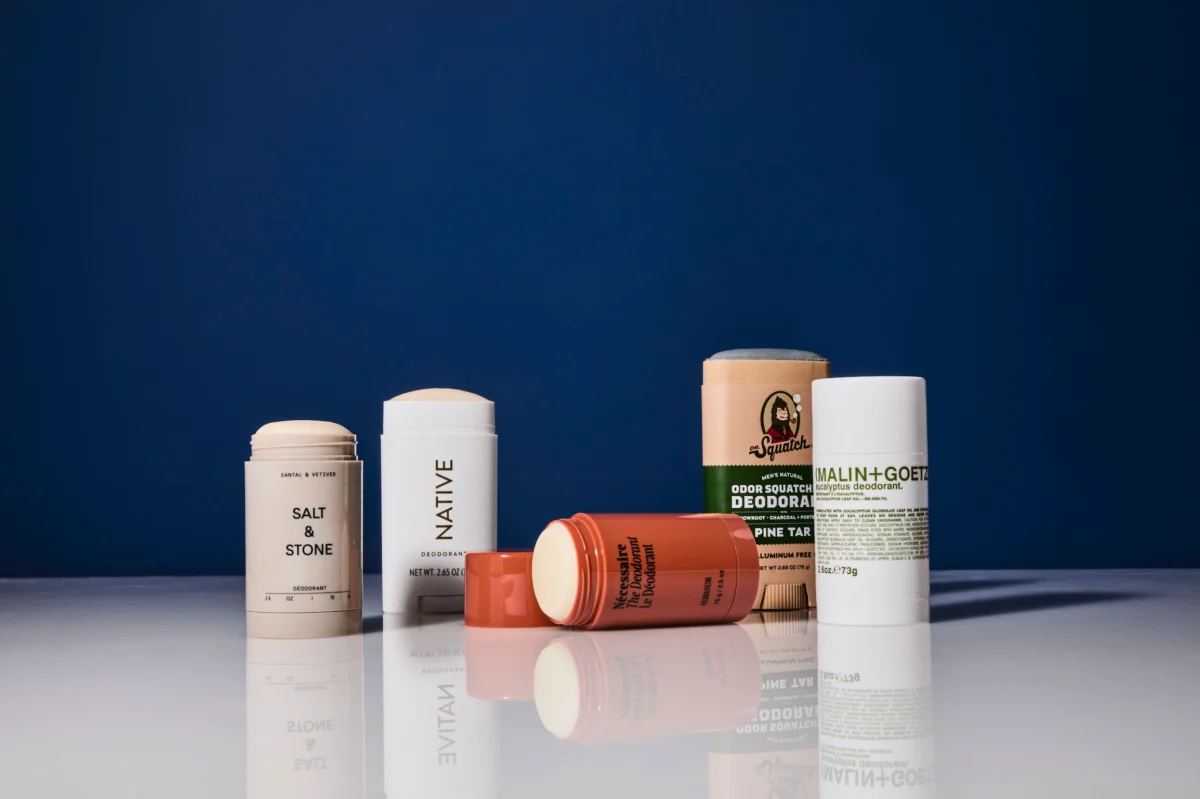
Leading the charge in sophisticated formulation is Salt and Stone. Their Santal and Vetiver Natural Deodorant represents a convergence of fine fragrance and dermatological care. By incorporating hyaluronic acid and seaweed extract, the brand addresses a common issue with underarm care: dehydration and darkening of the skin. Hyaluronic acid, a humectant capable of holding 1,000 times its weight in water, ensures the delicate underarm skin remains hydrated, which is crucial for maintaining a healthy skin barrier and preventing the irritation that often leads to odor-causing bacteria.
The Santal and Vetiver scent profile challenges the notion that natural products must smell like a health food store. With a subtle, sandalwood-forward aroma that mirrors high-end colognes, it offers a long-lasting fragrance that persists from morning until night. Furthermore, the exclusion of alcohol prevents the dryness and pore-blocking common in mass-market sticks. For those who prioritize a lightweight, smooth glide that leaves no residue on black clothing, this formula has set a new industry benchmark.

Solutions for Sensitive Skin: Schmidt’s and Hume Supernatural
One of the most significant hurdles in natural deodorant design is the use of baking soda. While effective at neutralizing odor, its high pH can cause rashes or "pit burn" for those with sensitive skin. Schmidt’s has addressed this by offering a Sandalwood and Citrus formula that utilizes magnesium and charcoal instead of baking soda. Magnesium hydroxide creates an environment where odor-causing bacteria struggle to thrive, while charcoal provides a matte finish by absorbing excess moisture. A practical tip for users of this mineral-heavy stick is to hold it against the skin for a few seconds to let body heat soften the formula, ensuring a seamless application.
Taking the science of sensitivity even further is Hume Supernatural. Their fragrance-free 2-pack is a marvel of prebiotic and probiotic engineering. Rather than masking odor with essential oils, Hume focuses on the root cause: the bacteria that live in the underarm. By using a blend of silica, kaolin clay, and tapioca starch for moisture absorption, combined with probiotics to balance the skin’s flora, they have created a formula that neutralizes stink without any added scent. This makes it an ideal choice for men who prefer their cologne to be the only fragrance they wear, or for those whose skin reacts negatively to even natural essential oils.

The Power of Botanical Ingredients: Ursa Major and Native
Ursa Major’s Hoppin’ Fresh Deodorant highlights the innovative use of "hops"—the same plant used in brewing beer—to combat odor. Hops possess natural antimicrobial properties that neutralize the growth of bacteria without interfering with the body’s need to sweat and regulate temperature. Combined with kaolin clay to absorb moisture and a crisp peppermint-eucalyptus scent, it provides a cooling sensation that is particularly effective during high-intensity activities. Despite containing baking soda, the inclusion of soothing botanicals keeps the skin calm, and the formula’s longevity—often lasting over three months per stick—makes it a cost-effective staple for the eco-conscious athlete.
For those hesitant to leave the familiarity of traditional sticks, Native offers the smoothest transition. Their Vanilla and Sandalwood Deodorant is widely regarded as having the "most traditional" feel of any natural option. It avoids the grittiness sometimes associated with clay-based sticks, providing a clean, residue-free application. By utilizing arrowroot powder and tea tree oil, Native provides a woodsy, masculine scent that feels premium yet accessible. It is the quintessential "entry-level" natural deodorant that proves one does not need to sacrifice convenience for clean ingredients.

Luxury and Transparency: Malin and Goetz
In the realm of high-end grooming, Malin and Goetz has developed a cult following for its Eucalyptus Deodorant. This transparent, gel-like formula relies on citronellyl and eucalyptus extract to provide a cooling, refreshing experience. It is specifically engineered to be stain-free, making it the preferred choice for professionals who wear tailored shirts or dark fabrics. While it is a lighter formula that may require reapplication after 12 hours of heavy activity, its ability to evaporate almost instantly upon application makes it a favorite for those who dislike the "creamy" sensation of wax-based sticks.
Environmental Stewardship: Humble Brands and Dr. Squatch
As the grooming industry faces scrutiny over plastic waste, Humble Brands has emerged as a leader in sustainability. Their Mountain Lavender Plastic-Free Deodorant features completely biodegradable packaging and plant-based inks. The formula is remarkably simple, utilizing only four core ingredients: starch, beeswax, baking soda, and MCT oil. This "simple and true" philosophy has earned the brand high-profile endorsements, including from actor Jason Momoa. It appeals to the consumer who views their grooming routine as an extension of their environmental values, offering effective odor protection that leaves no trace on the planet.

Finally, Dr. Squatch brings a rugged, outdoorsy ethos to the market with its Pine Tar Natural Deodorant. Known for capturing the essence of the wilderness, the Pine Tar scent is designed to last up to 48 hours, a rarity in the natural category. While the brand identifies as 98% natural, the effectiveness of its arrowroot and charcoal-based formula is undeniable. It provides a heavy-duty solution for men who work outdoors or prefer a scent that evokes the deep woods of the Pacific Northwest.
The Future of the Underarm Microbiome
The shift toward natural deodorants is not merely a trend; it is a reflection of a deeper understanding of human biology. The underarm is home to a complex ecosystem of bacteria, and the long-term effects of suppressing this system with aluminum are still being studied by the dermatological community. By choosing products that work with the body’s natural chemistry rather than against it, men are opting for a healthier, more sustainable approach to personal hygiene.

Whether a consumer is motivated by skin sensitivity, environmental concerns, or a preference for sophisticated, botanical scents, the current market offers a solution. From the probiotic-rich formulas of Hume to the plastic-free initiatives of Humble Brands, the natural deodorant industry has officially matured. It now stands as a testament to the fact that "clean" grooming can be just as effective—and significantly more beneficial—than the chemical-heavy standards of the past.
