

"Adolescents who frequently consume sugar-sweetened beverages face a 34% higher risk of developing anxiety disorders, highlighting a critical biological link between metabolic spikes and emotional stability during formative years."
This finding, derived from a comprehensive meta-analysis of two decades of research, suggests that the modern adolescent diet—often saturated with high-glucose liquids—may be a primary environmental factor contributing to the global rise in youth mental health challenges. By examining the physiological impact of rapid sugar absorption on the nervous system, researchers are now urging a shift in clinical focus, suggesting that dietary intervention should be considered a front-line strategy for managing anxiety in young populations.
The Scale of the Study: Two Decades of Data
In a landmark meta-analysis recently published in the Journal of Human Nutrition and Dietetics, researchers from the United Kingdom conducted an exhaustive review of studies spanning from 2000 to 2025. The scope of the investigation focused specifically on adolescents between the ages of 10 and 19—a developmental window characterized by significant neuroplasticity and hormonal flux.
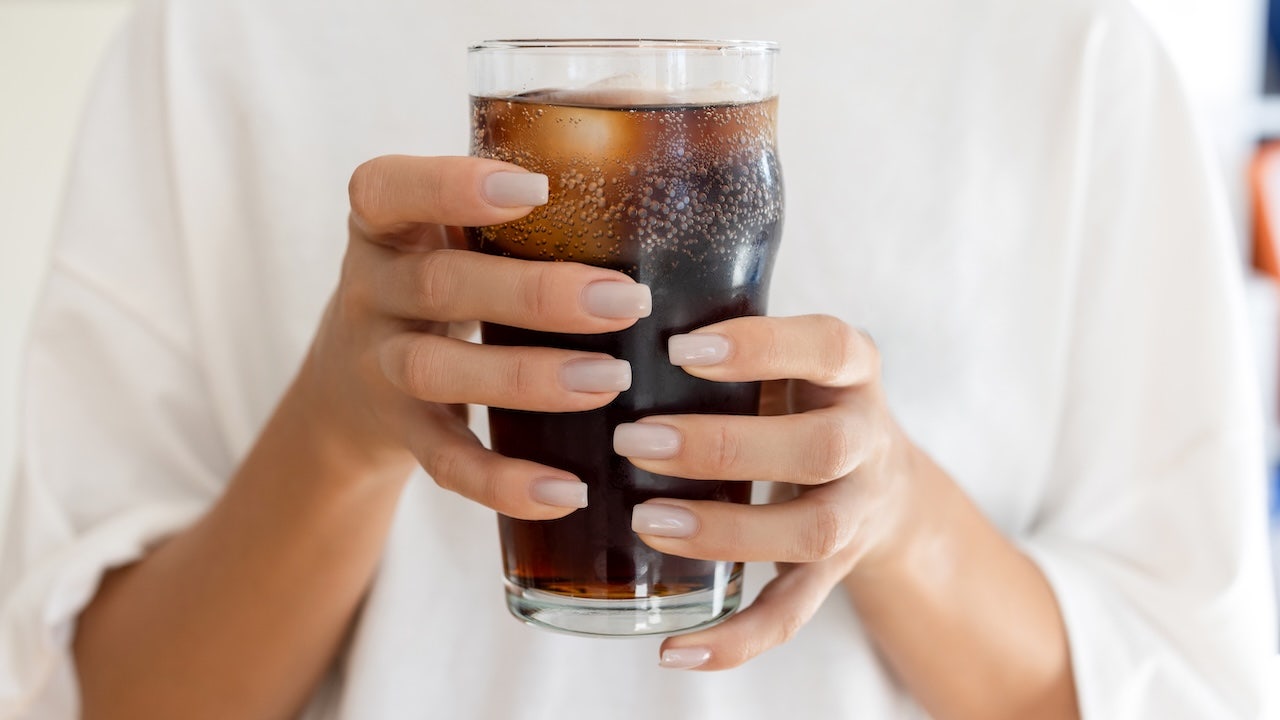
The research team explored the consumption patterns of sugar-sweetened beverages (SSBs), a broad category that includes traditional sodas, energy drinks, sweetened fruit juices, and the increasingly popular "specialty" coffee and tea drinks. The results were remarkably consistent: seven out of the nine major studies analyzed demonstrated a significant positive correlation between the intake of these beverages and the presence of anxiety symptoms. Most notably, the data revealed that those in the highest tier of sugar consumption were roughly 34% more likely to be diagnosed with an anxiety disorder than their peers who consumed lower amounts.
The Biological Mechanism: The "Spike and Crash" Cycle
To understand why liquid sugar has such a profound impact on mental health, one must look at the unique way the body processes these substances. Unlike solid foods, which often contain fiber, protein, or fats that slow down the digestive process, sugar-sweetened beverages are essentially "liquid candy."
When an adolescent consumes a high-sugar drink, the glucose enters the bloodstream almost instantly. This causes an immediate and sharp spike in blood sugar levels. In response, the pancreas is forced to work overtime, releasing a surge of insulin to manage the glucose. This massive insulin response often overcorrects, leading to a subsequent "crash" in blood sugar levels.
Registered dietitian nutritionist Ilana Muhlstein explains that this metabolic rollercoaster directly mimics the physiological symptoms of a panic attack. When blood sugar plummets, the body enters a "dopamine deficit" state. The brain perceives this sudden drop as a crisis, triggering the release of stress hormones like cortisol and adrenaline. To the teenager experiencing this, the internal sensation is indistinguishable from anxiety: a racing heart, shakiness, irritability, and a sense of impending dread.

The Adolescent Brain: A Critical Window
The timing of this high-sugar consumption is particularly concerning to neuroscientists. The period between ages 10 and 19 is a critical window for brain development, specifically for the prefrontal cortex—the area responsible for executive function, impulse control, and emotional regulation.
Dr. Chloe Casey, a nutrition lecturer at Bournemouth University and co-author of the study, notes that the consistency of the association between sugary drinks and anxiety was one of the most striking elements of the research. She emphasizes that what adolescents eat and drink provides the literal building blocks for their developing nervous systems. When that system is constantly subjected to the instability of sugar-induced chemical fluctuations, the long-term "wiring" of the brain’s stress response may be compromised.
Furthermore, many of the beverages favored by modern teens are not just high in sugar; they are also high in caffeine. Energy drinks and flavored coffee beverages create a "perfect storm" for the nervous system. While the sugar causes the insulin-induced crash, the caffeine stimulates the adrenal glands, further amplifying the body’s stress response. For a teenager already navigating the social and academic pressures of middle or high school, this chemical cocktail can make an otherwise manageable level of stress feel like an overwhelming disorder.
Beyond Soda: The Changing Landscape of Youth Consumption
While traditional soda consumption has seen a decline in some demographics, experts warn that the problem has merely shifted forms. The modern beverage market has successfully rebranded high-sugar drinks as "wellness" or "lifestyle" products.
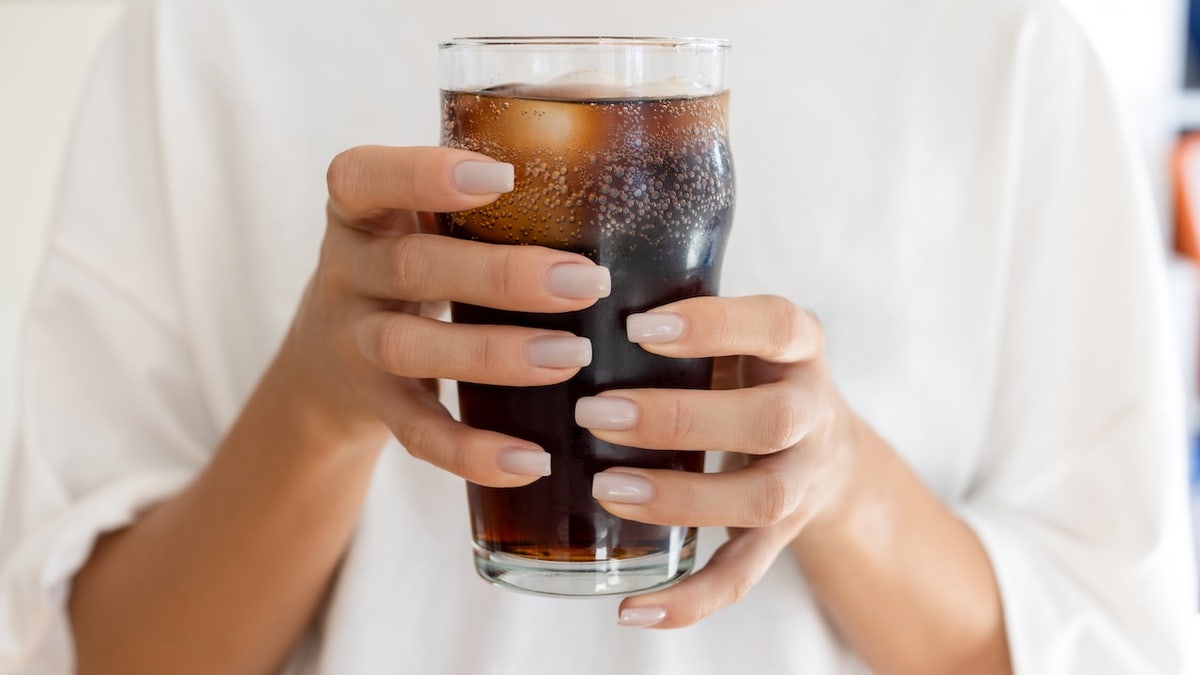
Teens today are less likely to be seen with a can of cola and more likely to be holding a large oat milk latte loaded with flavored syrups, a neon-colored sports drink, or a "refreshment" juice that contains more sugar than a dessert. Serena Poon, a certified nutritionist and longevity expert, points out that these drinks are often marketed as energy boosters or necessary hydration for active lifestyles. In reality, they often provide "empty" energy that offers no nutritional support for the brain, leading to the aforementioned cycles of mood instability and poor concentration.
Addressing the Mental Health Crisis
The implications of this study are particularly urgent given the current mental health landscape in the United States. According to data from the Centers for Disease Control and Prevention (CDC), approximately 11% of American children between the ages of 3 and 17 have been diagnosed with anxiety. When combined with behavioral disorders and depression, mental health challenges represent the most common health complications for modern youth.
For years, the conversation around sugary drinks focused almost exclusively on physical health outcomes—specifically the "obesity epidemic" and the risk of Type 2 diabetes. While those risks remain valid, Dr. Casey suggests that the mental health angle may be a more compelling way to "reframe the conversation" with adolescents. Many teens may be indifferent to long-term chronic disease risks but are highly motivated by the prospect of feeling less anxious, sleeping better, and having more stable moods in their daily lives.
Limitations and the Question of Causality
As with many nutritional studies, the researchers acknowledge that the data is observational. This means that while there is a strong link between sugary drinks and anxiety, it does not strictly prove that one causes the other. There is a possibility of "reverse causality"—the idea that adolescents who are already anxious may "self-medicate" with sugary drinks to get a temporary dopamine hit, or that anxiety leads to poor dietary choices as a coping mechanism.

However, even if the relationship is bidirectional, the cycle remains destructive. A teen who drinks sugar to soothe anxiety will inevitably face a blood sugar crash that worsens their anxiety, leading to further consumption. Breaking this cycle is essential regardless of which factor originated first.
Practical Strategies for Parents and Educators
The study’s findings provide a clear roadmap for intervention that does not necessarily require pharmaceutical involvement. Experts recommend several dietary shifts to help stabilize adolescent moods:
- Prioritize "Slow" Nutrition: Meals should be balanced with fiber, healthy fats, and proteins. These macronutrients act as a buffer, slowing the absorption of glucose into the bloodstream and preventing the sharp insulin spikes that lead to anxiety-like symptoms.
- The "Water First" Rule: Encouraging hydration through water, herbal teas, or plain sparkling water can significantly reduce the "thirst-based" consumption of sugary sodas or juices.
- Reading Labels Beyond Calories: Parents and teens should be taught to look at "Added Sugars" on nutrition labels. Many "healthy" smoothies or yogurts contain enough sugar to trigger a significant metabolic response.
- Managing Caffeine Synergy: Recognizing that caffeine and sugar together are more destabilizing than either alone. Reducing intake of energy drinks is a high-impact move for reducing jitteriness and sleep disturbances.
Conclusion: A New Pillar of Mental Wellness
As the medical community continues to grapple with the complexities of the youth mental health crisis, the role of nutrition is moving from the periphery to the center of the discussion. The Bournemouth University study serves as a rigorous reminder that the brain does not function in isolation from the rest of the body’s metabolic processes.
By addressing the "liquid sugar" habit, parents, educators, and clinicians have a tangible, accessible tool to help mitigate the rising tide of adolescent anxiety. As Serena Poon concludes, food and beverages are more than just fuel; they are "information" for the brain. In an era of high stress and digital overstimulation, providing the adolescent brain with stable, consistent energy may be one of the most effective ways to safeguard the mental well-being of the next generation.
