
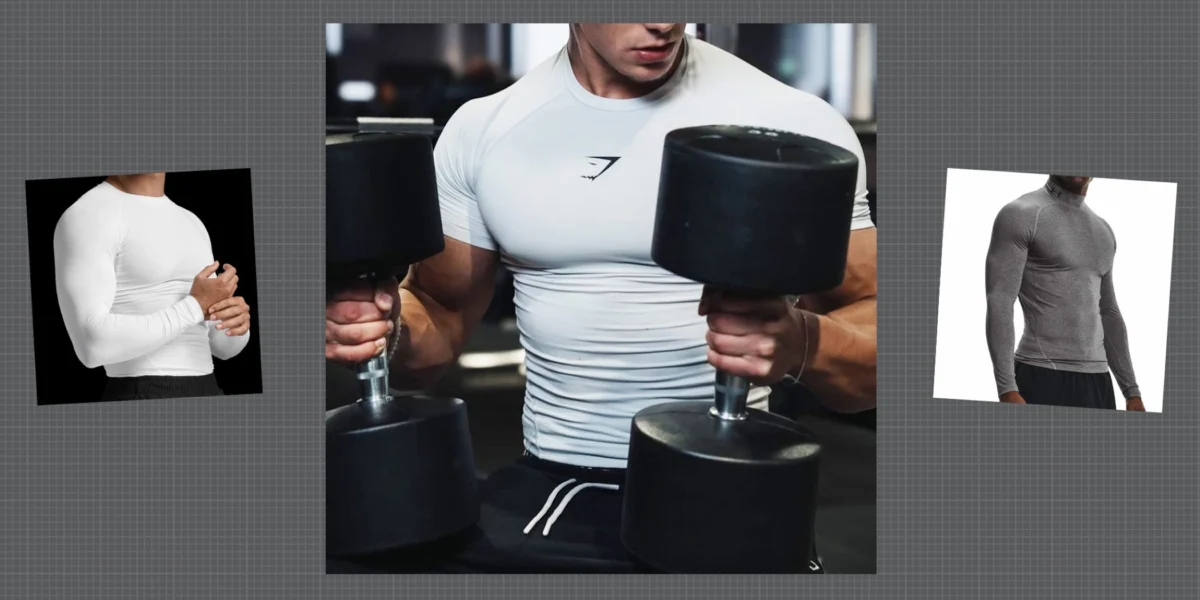
"Modern compression gear has evolved beyond simple tightness, serving as a functional second skin that optimizes thermoregulation, supports muscle stability, and enhances overall athletic performance across diverse environments."

The integration of compression technology into the modern fitness wardrobe represents a shift from purely aesthetic activewear to performance-driven engineering. By applying graduated pressure to specific muscle groups, these garments facilitate improved blood circulation and proprioception, allowing athletes to maintain better form and recover more efficiently during high-intensity interval training, long-distance running, or stationary strength sessions.
The Evolution of Compression Technology
Compression garments were originally developed for medical applications, specifically to treat circulatory issues and lymphedema. However, the sports science community quickly recognized the benefits of external pressure for athletic performance. Today, the market is saturated with options ranging from budget-friendly multi-packs to premium, sustainably sourced technical tops. The efficacy of these shirts depends largely on their material composition—typically a blend of polyester or nylon with elastane (spandex)—and the specific construction techniques used to ensure durability and comfort.

To identify the premier options available to the modern athlete, a team of experts including Ebenezer Samuel, C.S.C.S., and NASM-certified editors Charles Thorp and Brett Williams, conducted rigorous testing. Their evaluations focused on moisture management, seam strength, odor resistance, and the specific "hand-feel" of the fabrics under sweat-heavy conditions.
The Gold Standard for Versatility: Under Armour HeatGear
Under Armour has long been a pioneer in the moisture-wicking space, and their HeatGear Armour Compression Shirt remains a benchmark for the industry. Constructed from a blend of 84% polyester and 16% elastane, this shirt is designed specifically for high-temperature environments. The "HeatGear" fabric operates on the principle of capillary action, drawing moisture away from the skin to the surface of the fabric where it can evaporate rapidly.

During hands-on testing, the Under Armour shirt impressed with its ability to maintain a "fresh" scent even after grueling sessions, a testament to its integrated anti-odor technology. The garment’s durability is a standout feature; it maintains its elasticity after repeated wash cycles, a common failure point for lesser compression gear. Furthermore, the availability of this model in sleeveless, short-sleeve, and long-sleeve iterations allows athletes to customize their layering strategy based on the season. The long-sleeve version, in particular, serves as an excellent base layer for autumn runs, providing a slight insulative quality while ensuring the runner remains dry.
The Economics of Performance: Runhit Long Sleeve 3-Pack
For the athlete who trains daily, the cost of high-end compression can become prohibitive. The Runhit Long Sleeve Compression 3-Pack addresses this by offering high-utility gear at a significantly lower price point—roughly $10 per shirt. Despite the lower cost, these shirts do not compromise on essential technical features. They utilize a blend of 88% polyester and 12% spandex and feature flatlock stitching, a construction method that offsets seams to prevent the chafing often associated with the repetitive motions of running or rowing.

One of the most valuable additions to the Runhit line is the inclusion of UPF 50+ sun protection. This makes the shirts an ideal choice for outdoor activities such as yard work, hiking, or beach volleyball, where skin protection is as vital as muscle support. The inclusion of stretch-mesh underarm panels provides targeted ventilation in high-heat zones, ensuring that the long-sleeve design does not lead to overheating during midday sun exposure.
Stability and Specialized Movement: CompressionZ Short Sleeve
While many compression shirts are designed for linear movements like running, the CompressionZ Short Sleeve tee is engineered for multi-planar activities such as yoga or gymnastics. One of the primary frustrations with compression tops is the tendency for the hem to "ride up" during inversions or overhead presses. CompressionZ solves this through a discreet rubber seam at the bottom of the garment, which grips the waist of the shorts or leggings to keep the shirt in place.

Materially, this shirt opts for a nylon-based blend (85% nylon, 15% spandex) rather than the more common polyester. Nylon is generally regarded as having a softer, more "premium" feel and superior durability against abrasions. The strategically placed vents enhance breathability, making it a "second-skin" favorite for high-sweat environments. It is worth noting that the sleeves on this model run slightly longer than traditional t-shirts, providing additional bicep support which may be preferred by those looking for maximum upper-arm compression.
The Premium Intersection of Style and Sustainability: Lululemon Unrestricted Power
As the fitness industry moves toward more environmentally conscious manufacturing, Lululemon has emerged as a leader with its Unrestricted Power series. This long-sleeve shirt is crafted from 86% recycled nylon, proving that high-performance gear can also be sustainable. The design philosophy behind this shirt goes beyond mere utility; it incorporates strategic seam placement that follows the natural musculature of the torso, providing an aesthetic "flair" that complements its functional support.

Fitness Editor Brett Williams, NASM, noted that the sleeve length is particularly well-calibrated, hitting the wrist perfectly across various body types. This attention to detail is what separates premium gear from mass-market alternatives. The fabric blend (86% nylon, 14% elastane) provides a high degree of "snap-back," ensuring the shirt does not bag at the elbows or waist even after a full day of wear. It represents the "mantle" of premium long-sleeves, suitable for the athlete who demands both peak performance and a sophisticated silhouette.
Ergonomics and the Baselayer Philosophy: Gymshark Element
Gymshark has built a massive following by focusing on the "lift-ready" physique, and the Element Baselayer Long Sleeve Top is a core component of that ecosystem. While often used as a standalone piece, this shirt is designed to function as the foundation of a layering system. The fit is snug but avoids the restrictive "suffocation" feeling that poorly designed compression gear can sometimes produce.

A thoughtful ergonomic feature of the Element top is the inclusion of thumbhole cuffs. These serve a dual purpose: they prevent the sleeves from bunching up when a jacket or hoodie is pulled over the top, and they provide partial hand coverage to maintain warmth during early morning outdoor sessions. The 88% polyester and 12% elastane blend offers a balance of stretch and recovery that supports the muscles without limiting the range of motion required for deep squats or Olympic lifts.
Combatting the Cold: TSLA Thermal Compression
Training does not stop when the temperature drops, but the requirements for compression gear change significantly. The TSLA Thermal Long Sleeve is specifically engineered for sub-zero conditions. Unlike standard compression tops which focus solely on heat dissipation, the TSLA thermal utilizes a micro-fleece lining to trap a thin layer of warm air against the skin.
The challenge with thermal gear is preventing the "bulk" that usually accompanies insulation. TSLA manages this by using a 90% polyester and 10% elastane blend that remains thin enough to be worn under a standard jersey or heavy coat. The four-way stretch fabric ensures that despite the tighter "thermal" fit, the athlete retains full mobility. For those considering this model, sizing is a critical factor; the "compression" aspect is quite pronounced, leading experts to suggest sizing up if a slightly more relaxed fit is desired for casual winter wear.
Conclusion: Selecting the Right Compression
Choosing the ideal compression shirt requires an assessment of the training environment and the specific physiological needs of the athlete. For heat management and durability, the Under Armour HeatGear remains the professional’s choice. For those prioritizing sustainability and style, Lululemon offers a superior recycled alternative. Meanwhile, specialists in yoga or cold-weather sports will find the "stay-put" technology of CompressionZ or the fleece lining of TSLA to be indispensable.
Ultimately, the goal of compression is to minimize muscle oscillation and maximize comfort. By selecting garments with flatlock seams, moisture-wicking synthetics, and appropriate pressure levels, athletes can ensure that their gear works as hard as they do, protecting the body while pushing it to its limits.
