
"The delayed onset of alpha-gal syndrome reactions, often appearing hours after a meal, makes it a ‘silent epidemic’ that slips through the cracks of traditional allergy diagnosis and state health tracking."
This quote encapsulates the critical challenge posed by Alpha-gal Syndrome (AGS), a tick-borne illness that has emerged as a significant public health concern, particularly in the Midwest. Unlike immediate allergic reactions, AGS symptoms manifest hours after consuming red meat or other mammalian products, leading to misdiagnosis and underreporting. This delayed reaction, coupled with a lack of systematic tracking by states like Kansas, creates a blind spot for public health officials, leaving residents vulnerable and without a clear understanding of the condition’s prevalence in their communities. The lone star tick, a primary vector in this region, is actively spreading, making awareness and proactive public health measures more crucial than ever.
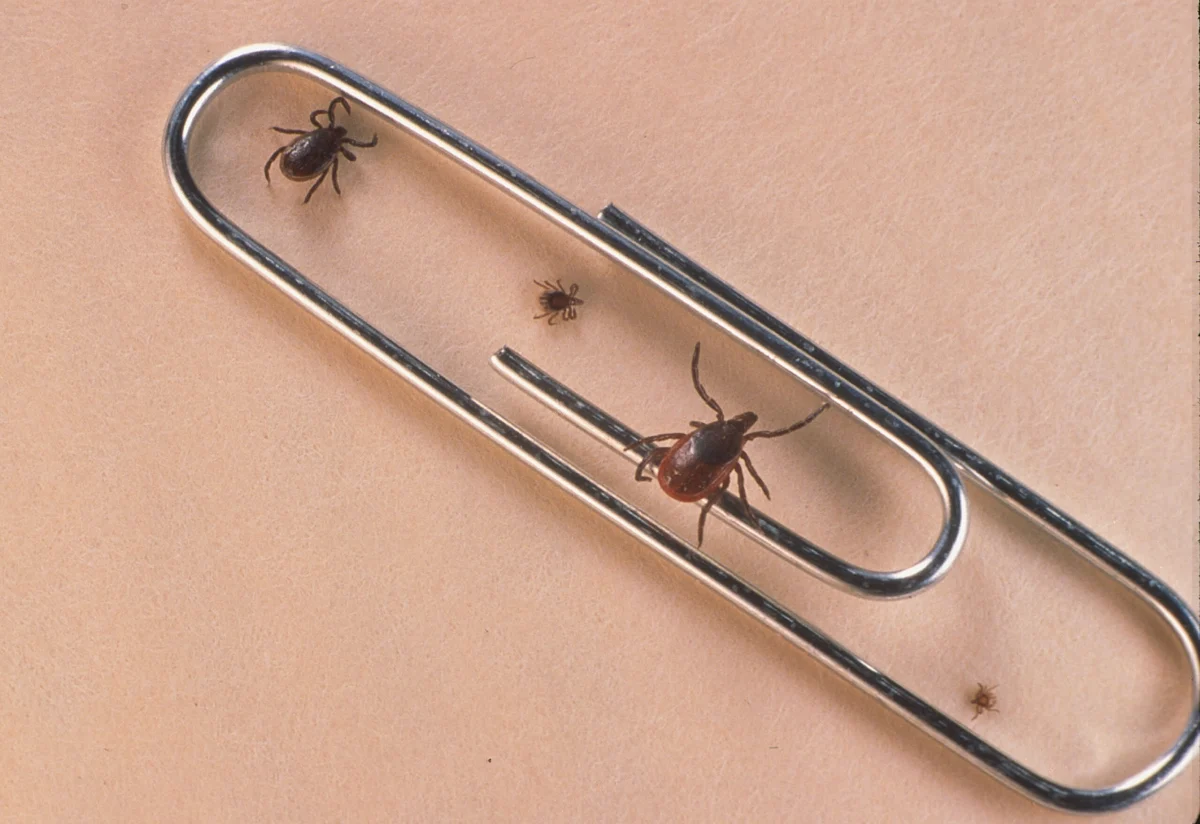
The fall season, often perceived as the tail end of tick activity, continues to pose a significant risk for encounters with the lone star tick in the Midwest. As deer populations become more active and temperatures remain mild until a hard freeze, hunters, hikers, and individuals engaged in outdoor activities such as raking leaves remain susceptible to tick bites well into November. For residents across the Kansas City metropolitan area and the broader Kansas and Missouri region, understanding the implications of a lone star tick bite is paramount. Beyond the well-known bacterial infections these ticks can transmit, their bite can also trigger a peculiar and persistent allergy to red meat, a condition known as Alpha-gal Syndrome (AGS). This allergy is particularly insidious because its symptoms typically appear hours after a meal, often long after the initial tick encounter has been forgotten, making the connection difficult to establish. Alarmingly, Kansas currently does not systematically track cases of AGS, creating a significant data gap.
Alpha-gal Syndrome is characterized by an immune system response to alpha-gal, a sugar molecule found in the flesh of most non-primate mammals. A bite from the lone star tick can sensitize an individual’s immune system to this sugar. Consequently, subsequent consumption of mammalian products, including beef, pork, lamb, and even derived ingredients like gelatin, can elicit a range of allergic reactions. These can manifest as hives, swelling, gastrointestinal distress, or, in severe cases, anaphylaxis. The diagnostic challenge lies in the delayed onset of these reactions, which typically emerge three to six hours post-ingestion, deviating from the minutes-long timeline characteristic of more common food allergies. This temporal disconnect can lead individuals and even healthcare providers to overlook the causal link between a recent meal and a subsequent allergic episode, such as waking up in the middle of the night covered in hives after a six o’clock dinner.
The severity of AGS can vary considerably among affected individuals. Some may experience mild reactions to red meat, while others develop sensitivities to dairy products, gelatin, or even certain medications and medical treatments that contain mammalian-derived components. Currently, there is no known cure for AGS. Management focuses on strict avoidance of the trigger foods and, for those at risk of severe anaphylactic reactions, the crucial necessity of carrying an epinephrine auto-injector. The low level of awareness among healthcare professionals is a documented weakness in the fight against AGS. A nationwide survey conducted by the Centers for Disease Control and Prevention (CDC) revealed that a significant portion of healthcare providers—42%—had not heard of AGS, and an additional 35% lacked confidence in their ability to diagnose or manage it. This lack of clinician awareness further compounds the diagnostic challenges for patients presenting with delayed, non-specific symptoms.
While Kansas diligently reports several tick-borne illnesses, including ehrlichiosis, anaplasmosis, Lyme disease, Rocky Mountain spotted fever, and tularemia, AGS is conspicuously absent from its list of reportable diseases. This oversight, confirmed by a review of state health data, means that no official case counts are maintained, no geographic distribution maps are available, and residents cannot be informed if their specific county is a hotspot for the condition. Ehrlichiosis, predominantly spread by lone star and blacklegged ticks, is currently the most frequently contracted tick-borne illness in Kansas.
In contrast, Missouri has taken a proactive stance. In July, Governor Mike Kehoe signed legislation authorizing the state to track AGS, alongside Lyme disease. This responsibility has been assigned to the Missouri Department of Health and Senior Services. This divergence in public health policy between neighboring states highlights the disparity in how AGS is being addressed and underscores the importance of systematic data collection for effective public health interventions. The absence of reportable disease status directly translates into a lack of actionable data, hindering efforts to understand the true scope of the problem and implement targeted prevention strategies.
On a national level, the CDC has estimated that between 96,000 and 450,000 Americans may have been affected by AGS since 2010. This estimation is based on over 110,000 suspected cases identified through laboratory testing between 2010 and 2022. The agency has publicly acknowledged AGS as an emerging and underdiagnosed condition. Dr. Erin Petro, the Kansas state public health veterinarian, emphasized in a spring news release the critical importance of tick bite prevention, stating, "tick bite prevention remains the most effective way to reduce the risk." This sentiment, while universally true for tick-borne illnesses, takes on added urgency given the unique challenges presented by AGS.
Federal surveillance data has indicated unusually heavy tick activity across the Midwest during the spring of the current year. In April, emergency rooms in the region recorded 137 tick bite-related visits for every 100,000 emergency department visits. By May, this rate had climbed to 332 per 100,000 visits for the year, putting the region on track to potentially surpass the 628 per 100,000 logged for the entirety of 2025. MedicalDaily reported in July a sharp year-over-year increase in national tick bite emergency visits during April. It is crucial to acknowledge the limitations of these emergency department visit figures; they measure the number of individuals seeking care for a bite, not necessarily the number of confirmed infections, and are reported regionally rather than by specific metropolitan areas, meaning no precise data exists for the Kansas City area. Furthermore, the observed increase could reflect a combination of factors, including a higher tick population, increased outdoor human activity, or improved reporting mechanisms, the exact contribution of each remains unresolved.
Adding another layer of complexity, Kansas state data reveals a sharp decline in reported tick-borne illnesses in 2020, with annual numbers since then fluctuating between 111 and 156, roughly half the 311 cases recorded in 2019. This trend appears counterintuitive given known environmental factors. Warmer winters have demonstrably extended the active season for ticks, and growing populations of white-tailed deer have amplified opportunities for human-tick contact. Concurrently, the lone star tick, historically a species confined to the southeastern United States, has steadily expanded its range northward and westward over the past two decades, increasing its presence in regions like Kansas and Missouri. This geographic expansion, coupled with climate change factors, suggests a growing risk of AGS in these areas, even if reported cases of other tick-borne illnesses have decreased.
Effective prevention strategies for tick bites remain consistent throughout the tick’s active season, from spring through the first hard freeze. Employing EPA-registered repellents containing DEET, picaridin, IR3535, or oil of lemon eucalyptus on exposed skin is a primary defense. Treating boots, socks, and outer clothing with permethrin, a fabric-applied insecticide that withstands multiple washes, offers an additional layer of protection. Practical measures such as tucking pants into socks and staying towards the center of trails can minimize contact. Upon returning indoors, a thorough full-body check is essential, paying close attention to often-overlooked areas like the scalp, behind the ears, the waistband, the backs of the knees, and the groin. Promptly placing outdoor clothing in a hot dryer can kill any lingering ticks.
The removal of an attached tick should be done with fine-tipped tweezers, grasping the tick as close to the skin’s surface as possible and pulling straight upward without twisting. Prompt removal significantly reduces the risk of transmitting bacterial pathogens. Individuals engaged in activities with concentrated exposure, such as hunters and those field dressing deer, should prioritize treating their clothing with permethrin before the season begins.
Consulting a clinician is advised if experiencing fever, headache, muscle aches, or a rash in the days or weeks following a tick bite. Early diagnosis and treatment of illnesses like ehrlichiosis and Rocky Mountain spotted fever are critical, as treatment is most effective when initiated promptly. Rocky Mountain spotted fever, in particular, can be fatal within days, and treatment is often commenced empirically before diagnostic test results are available.
For suspected Alpha-gal Syndrome, individuals should communicate to their clinician a pattern of delayed reactions after consuming mammalian meat, occurring several hours post-meal, in conjunction with a history of recent tick exposure. Laboratory diagnosis involves a blood test to detect alpha-gal-specific antibodies. Anaphylaxis, characterized by breathing difficulties, throat tightness, or collapse, is a life-threatening medical emergency requiring immediate attention at any hour.
Residents of Kansas and Missouri can access county-level reports for illnesses that are officially tracked through their respective state health department websites. However, for Alpha-gal Syndrome in Kansas, the absence of such tracking data means no such localized information is available, a deficiency in itself that warrants public awareness. This data gap underscores the need for increased advocacy and public health investment to ensure that emerging tick-borne diseases like AGS receive the attention and resources necessary for effective prevention, diagnosis, and management.
