
"Years of calls for reform have culminated in the government’s new proposals to curb dangerous practices in the cosmetic surgery industry, aiming to protect vulnerable patients from devastating harm and drive rogue operators out of business."
The United Kingdom government has initiated a critical consultation process in 2023, seeking to implement significant reforms within the cosmetic surgery sector. This move comes after years of persistent advocacy from patient safety groups, medical professionals, and victims of botched procedures, highlighting an urgent need for stricter regulations. The proposed changes are a direct response to a proliferation of alarming incidents, widely reported as "horror stories," where unqualified individuals, often dubbed "cosmetic cowboys," have performed invasive and non-invasive cosmetic procedures in highly unsuitable and unsterile environments, ranging from Airbnbs and hotel rooms to garden sheds and even public toilets. These unregulated practices have led to severe complications, chronic pain, and permanent scarring, leaving many individuals physically and psychologically traumatized.
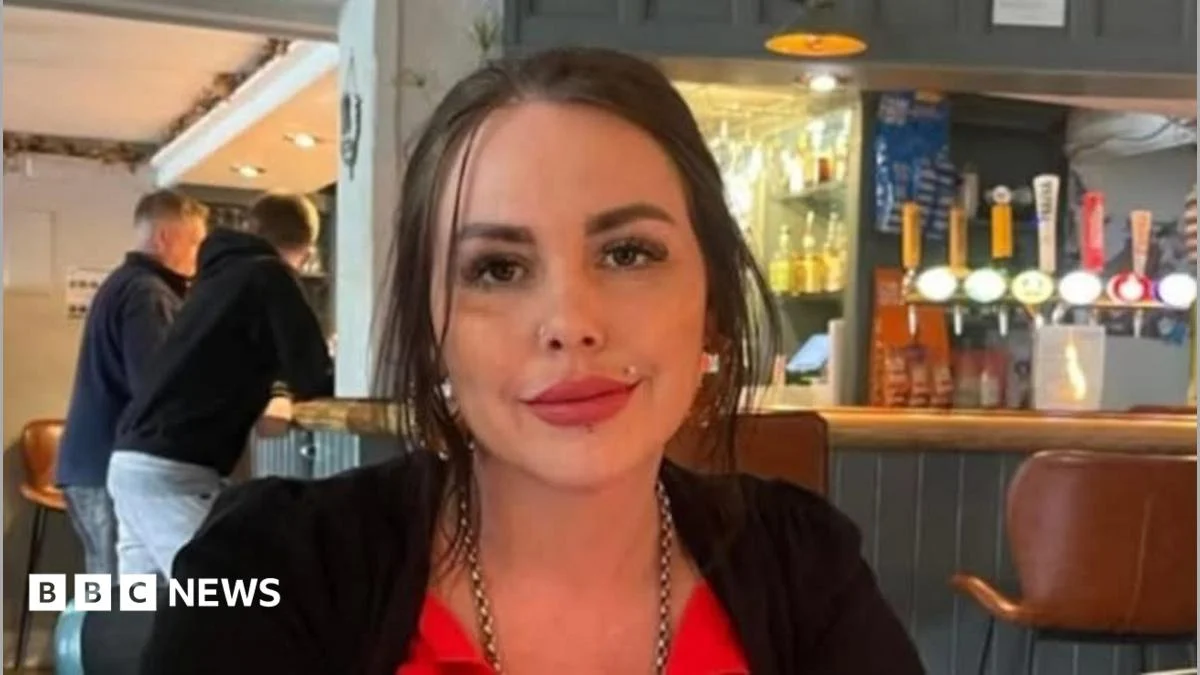
The urgency of the situation has been underscored by tragic outcomes and life-altering injuries suffered by individuals at the hands of these rogue operators. In 2024, Alice Webb, a mother of five from Gloucestershire, tragically died within hours of undergoing a liquid Brazilian butt lift (BBL). This devastating incident brought into sharp focus the lethal risks associated with unregulated cosmetic procedures. In the same year, Sasha Dean from Bedfordshire experienced a harrowing ordeal, falling into a coma after receiving a liquid BBL. Her treatment, partially conducted in a private house, led to a severe case of sepsis, illustrating the grave dangers of unsterile conditions and unqualified practitioners.
A liquid BBL is a non-surgical cosmetic procedure designed to enhance the size or shape of the buttocks through the injection of dermal fillers. Unlike surgical BBLs that involve fat transfer, liquid BBLs rely on synthetic fillers. When performed by untrained individuals, using unapproved substances, or in unhygienic settings, the risks are profound. These can include severe infections, allergic reactions, tissue necrosis, filler migration, granuloma formation, and, most critically, accidental injection into blood vessels leading to pulmonary embolism, stroke, or sepsis.
Sasha Dean’s personal account to BBC News paints a vivid picture of the rapid descent into medical crisis. "Very quickly it turned into a complete nightmare," she recounted. "I had a heart attack, one of my lungs had collapsed, my kidneys were failing. My body was just completely shutting down." Her experience is a stark reminder of the systemic failures in regulation that have allowed such dangerous practices to flourish, turning what should be elective cosmetic enhancements into life-threatening medical emergencies.
The government’s new proposals, currently under consultation, aim to fundamentally overhaul the regulatory landscape. While the specific details of the draft rules are still being refined and presented for stakeholder feedback, the overarching objective, as articulated by Health Minister Karin Smyth, is clear: to eradicate unsafe practices and elevate industry standards. Minister Smyth stated, "We want to drive cosmetic cowboys out of the market and raise standards across the board, giving reputable businesses a fair chance to thrive by helping people identify safe, qualified providers they can trust." This statement signals an intent to introduce robust measures that will likely include a comprehensive licensing scheme for practitioners and premises offering non-surgical cosmetic procedures, mandatory qualification standards, and stringent hygiene requirements. The goal is to create a clear distinction between legitimate, ethical providers and those operating outside acceptable safety parameters, thereby empowering consumers to make informed choices.
The proposed reforms have been met with a mixed but generally supportive reception from various industry stakeholders. The British Beauty Council, representing a significant segment of the aesthetic and beauty industry, commended the government for "tackling the issue head-on." Their support underscores the widespread recognition within the legitimate sector that current regulatory gaps not only endanger public health but also tarnish the reputation of qualified and ethical practitioners.
However, a more critical perspective has been voiced by Mr. Keith Allison from the Royal College of Surgeons of England. While acknowledging the proposals as "welcome," he emphasized that the consultation was "long overdue" and, crucially, that the proposed measures "did not go far enough." Mr. Allison articulated a significant concern: "Ministers must ensure they do not create a new loophole in patient protection by regulating non-surgical cosmetic procedures more robustly than cosmetic surgery itself. A doctor should not be able to carry out cosmetic surgery simply because they hold a medical license."
This critique highlights a critical nuance in cosmetic regulation. While the focus on non-surgical procedures is essential given their accessibility and the prevalence of unqualified practitioners, Mr. Allison’s point stresses that surgical procedures, inherently more invasive and carrying higher risks, also require enhanced scrutiny. A general medical license, while signifying foundational medical training, does not automatically confer competence in highly specialized fields like cosmetic surgery. Without specific, recognized qualifications, accreditation, and ongoing professional development in cosmetic surgery, even medical doctors could pose risks to patients if they venture into procedures for which they lack specialized training. The Royal College of Surgeons’ position advocates for a holistic regulatory framework that addresses both surgical and non-surgical interventions with equal rigor, ensuring that all practitioners, regardless of their foundational medical qualifications, possess the specific expertise required for the procedures they offer.
The process for implementing these reforms is now entering a crucial phase. The government will engage in extensive consultation with a broad spectrum of stakeholders, including medical doctors, cosmetic businesses, existing regulators, the public, and other experts. This collaborative approach aims to gather diverse perspectives and refine the draft rules to ensure they are effective, practical, and comprehensive. Following this consultation period, the finalized plans are slated to be presented to Parliament in spring 2027 for legislative approval.
It is important to note that some regulatory advancements have already been made in specific areas and regions across the UK. In England, a licensing scheme specifically for Botox clinics has already been announced, indicating a piecemeal approach to tightening controls. This initial step, while positive, underscores the need for a broader, unified framework that encompasses a wider range of non-surgical cosmetic procedures beyond injectables like Botox.
Scotland has taken a more proactive and comprehensive legislative approach. Laws passed in March mandate that cosmetic procedures must either be performed by, or closely supervised by, certain healthcare professionals within a registered clinical setting. Furthermore, Scotland has implemented a crucial safeguard by banning non-surgical cosmetic procedures for individuals under the age of 18, acknowledging the vulnerability of minors to both physical risks and psychological pressures related to body image.
In contrast, Wales and Northern Ireland currently lack dedicated regulations specifically governing cosmetic procedures. This disparity across the UK creates a fragmented regulatory landscape, potentially leading to "jurisdiction shopping" where rogue operators might seek to establish practices in areas with weaker oversight. Such inconsistencies not only compromise patient safety but also create an uneven playing field for legitimate businesses.
The broader context of these reforms lies in the dramatic rise in popularity of cosmetic procedures, particularly non-surgical options, fueled by social media trends and increasing accessibility. This surge in demand has unfortunately attracted unscrupulous individuals eager to capitalize on the lucrative market without adhering to ethical or safety standards. Patients, often young and influenced by aspirational images, may enter into procedures without fully understanding the risks, the qualifications of their practitioner, or the potential for devastating long-term consequences. The absence of clear, legally enforceable standards has created a dangerous vacuum, where the onus often falls on the patient to discern a legitimate provider from a "cosmetic cowboy," a task made incredibly difficult by deceptive marketing and a lack of transparent information.
Ultimately, the government’s current consultation represents a pivotal moment for patient safety and consumer protection in the UK’s cosmetic industry. While the proposals signify a significant step forward in addressing the dangers posed by unregulated practices, the call from experts like Mr. Allison for even more robust and holistic regulation across both surgical and non-surgical domains highlights the complexity of the challenge. Ensuring that the final legislation is comprehensive, enforceable, and consistently applied across all regions of the UK will be paramount to effectively safeguarding the public and restoring confidence in a sector that has been marred by serious and preventable harm.
