
"Lichen Sclerosus, a debilitating gynaecological condition, remains widely misunderstood and frequently misdiagnosed, leading to years of suffering and increasing the risk of severe complications like vulval cancer. Greater awareness and improved medical education are paramount to prevent prolonged patient distress and facilitate timely, life-saving interventions."
This quote underscores the profound challenges faced by individuals, predominantly women, living with Lichen Sclerosus (LS). Often dismissed or misattributed to common ailments like thrush or sexually transmitted infections, LS can progress silently, causing immense physical pain, psychological distress, and, in some cases, evolving into vulval cancer. The pervasive societal taboo surrounding intimate health, coupled with a lack of comprehensive awareness among both the public and some healthcare professionals, creates a formidable barrier to early and accurate diagnosis, perpetuating a cycle of suffering and missed opportunities for effective management.
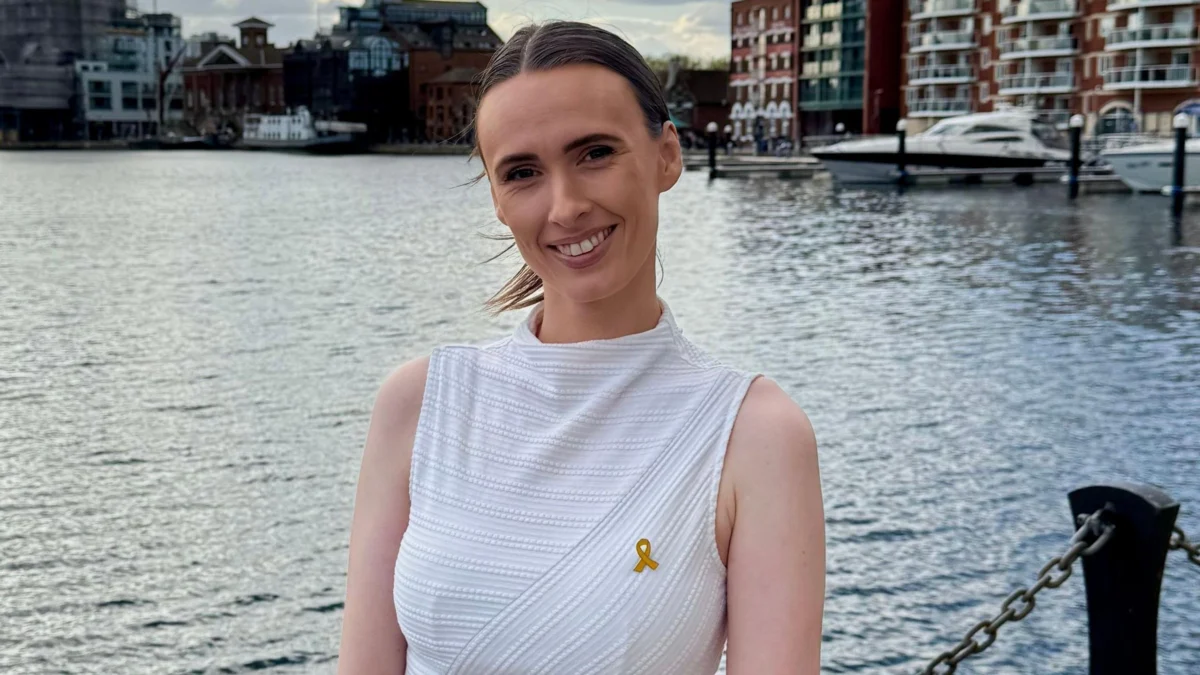
For Monica Thomas, a 34-year-old from Suffolk and founder of the charity Women’s Health Hope, the struggle began in her teenage years with persistent intimate itching and soreness. Despite numerous visits to medical professionals, her symptoms were repeatedly dismissed as common thrush. As her condition escalated to debilitating sores and blisters that left her bed-bound and in constant pain, Monica endured an agonizing 28 examinations within a mere six months before a biopsy was finally offered. Her harrowing experience highlights a critical systemic failure in addressing gynaecological health: the pervasive taboo surrounding symptoms, and the deep-seated embarrassment many women feel when seeking medical help for intimate discomfort. This societal reticence, combined with a lack of specialized knowledge among some practitioners, can lead to prolonged suffering, misdiagnoses, and a profound impact on a patient’s quality of life. Monica’s eventual diagnosis of Lichen Sclerosus, a chronic inflammatory condition, only came after years of physical and emotional torment, underscoring the urgent need for greater awareness and improved diagnostic pathways.

Lichen Sclerosus is a chronic inflammatory dermatosis primarily affecting the anogenital region, though it can occur on other parts of the body. Characterized by white, thin, crinkled skin patches, its progression can lead to severe itching (pruritus), soreness, bruising, splitting, and tearing of the skin. The long-term inflammation can cause architectural changes in the vulva, including fusion of the labia, retraction of the clitoral hood, and narrowing of the vaginal opening (introital stenosis). These physical changes can result in significant pain during intercourse (dyspareunia), discomfort during urination (dysuria), and general chronic pain that profoundly impacts daily activities and overall well-being.
Dr. Nighat Arif, a GP specializing in women’s health and author of "The Knowledge: Your guide to female health – from menstruation to the menopause," emphasizes that LS is often mistaken for sexually transmitted diseases due to its symptomatic overlap, yet it is crucial to understand that LS is not contagious. While it is more commonly diagnosed in post-menopausal women, affecting approximately 1% of women over 50, it can manifest at any age, including childhood (juvenile LS) and in younger adults, as Monica’s case demonstrates. The exact cause of Lichen Sclerosus remains unknown, but it is widely believed to have an autoimmune component, where the body’s immune system mistakenly attacks its own skin cells. It is not caused by poor personal hygiene, nor is it linked to infection, although rubbing or damage to the skin can trigger or exacerbate the condition.
The journey to diagnosis for LS patients is often protracted and fraught with challenges. Monica’s experience of being dismissed and misdiagnosed with conditions like thrush, herpes, and even being tested for HIV, is unfortunately common. Such misattributions not only delay appropriate treatment but also inflict immense psychological distress, raising questions about a patient’s sexual health and causing unnecessary anxiety. Healthcare professionals, sometimes unfamiliar with the varied presentations of vulval dermatoses, may overlook LS or misinterpret its symptoms. The embarrassment associated with intimate examinations further complicates matters, often leading patients to delay seeking help or to withdraw from a diagnostic process that feels invasive and unsupportive. Monica recounted her profound distress, describing it as a "horrific, lonely time" without answers, exacerbated by medical dismissals such as being told she was "too young" for LS, a misconception that directly contradicts clinical reality.
Beyond the immediate discomfort, one of the most serious implications of undiagnosed or poorly managed Lichen Sclerosus is the increased risk of developing vulval squamous cell carcinoma (VSCC). Chronic inflammation and the associated cellular changes in the affected skin significantly elevate this risk. Clare Baumhaeur, 53, from Kent, provides a stark illustration of this perilous link. Her symptoms began at the tender age of five, manifesting as persistent itching and soreness that she, and those around her, simply didn’t understand. For decades, Clare endured her symptoms, unknowingly living with an abnormal vulval condition. She underwent eight smear tests during this period, yet remarkably, no healthcare professional ever identified or commented on her underlying vulval pathology. This highlights a crucial gap in routine gynaecological care, as smear tests primarily screen for cervical changes and do not typically involve a thorough external vulval examination for conditions like LS.

Clare’s condition worsened into adulthood, characterized by painful tears, blisters, and sores. By 43, after 38 years of suffering, she could no longer tolerate the pain. Following a severe tear that refused to heal, she, too, was initially misdiagnosed with herpes by a GP, a shocking revelation for a woman married for 25 years. It was only after a referral for a biopsy that Clare received the devastating dual diagnosis of Lichen Sclerosus and stage three vulval cancer. "I’d never heard of lichen sclerosus and also I had a cancer that I’d ever heard of in a place I’d never heard of," Clare recounted, emphasizing the profound lack of public and even professional awareness surrounding vulval health. The emotional and informational burden of this diagnosis was immense.
The consequences of Clare’s delayed diagnosis were severe. She underwent extensive treatment, including two courses of radiotherapy, which led to immediate early menopause, lymphoedema (chronic swelling due to lymphatic system damage), and nerve damage – life-altering side effects that she believes could have been avoided with earlier intervention. Her battle with cancer has been ongoing; after seven years in remission, a routine check-up revealed a recurrence, necessitating further surgery three years ago. Most recently, in June, precancerous cells were discovered, leading to her sixth surgical procedure. Clare’s story powerfully illustrates the critical importance of early LS diagnosis in potentially preventing the progression to advanced cancer and mitigating the need for aggressive, life-altering treatments.
Research into the true prevalence of vulval lichen sclerosus remains limited. A University of Bristol analysis in the West Midlands and Warwickshire estimated it affects about 1% of women, but Dr. Sophie Rees, who contributed to the research, strongly believes this is an underestimate. The long delays in diagnosis, coupled with the pervasive shame and embarrassment surrounding vulval symptoms, mean many individuals likely live their entire lives undiagnosed. This underscores the urgent need for more comprehensive research to understand the true burden of LS and to develop strategies for earlier detection. The condition remains a "hidden epidemic," perpetuating suffering in silence.
Effective management of Lichen Sclerosus primarily involves the consistent application of high-potency topical corticosteroids, such as clobetasol propionate. These creams work by reducing inflammation, halting the progression of skin thinning and scarring, and alleviating symptoms. Adherence to the prescribed regimen is crucial for long-term control and to minimize the risk of malignant transformation. Supportive measures include using emollients to keep the skin moisturized, avoiding irritants like perfumed soaps and tight clothing, and practicing gentle hygiene. In severe cases, where extensive scarring has caused anatomical changes that impair function (e.g., severe introital stenosis), surgical intervention may be considered, though surgery does not cure the underlying LS.

A significant gap in care, as highlighted by Monica, is the lack of standardized follow-up once a diagnosis is made. "Once you have a diagnosis, you’re still necessarily not treated in the manner that you should, I don’t even get a checkup," she stated, relying solely on her steroid cream and hoping she is managing it correctly. Regular follow-up appointments with a dermatologist or gynaecologist specializing in vulval conditions are essential for monitoring the condition, adjusting treatment, and screening for early signs of cancer. The psychological impact of LS also demands attention, with many patients benefiting from counselling or support groups to cope with the chronic pain, body image issues, and impact on intimacy.
In light of these challenges, both Monica Thomas and Clare Baumhaeur advocate passionately for greater awareness and patient empowerment. Monica encourages women to become intimately familiar with their bodies, noting that vulvas change over time. She advises keeping a detailed diary of any changes or symptoms to provide concrete information to doctors. Crucially, she urges persistence: "If you are being dismissed, get multiple opinions, just keep going back because you don’t have to live without answers." She also recommends resources like the Lichen Sclerosus Guide, which offers diagrams and templates to help patients effectively communicate their symptoms to healthcare providers.
The narratives of Monica and Clare serve as powerful calls to action for a systemic overhaul in how gynaecological health is perceived and managed. This includes enhancing medical education for all healthcare professionals, from general practitioners to specialists, to improve their recognition and understanding of vulval dermatoses. Public health campaigns are vital to destigmatize discussions around intimate health, encouraging women to seek help without embarrassment. Ultimately, a multi-faceted approach – combining patient education, professional training, and robust research – is essential to ensure that conditions like Lichen Sclerosus are no longer silently endured but are promptly and effectively diagnosed, managed, and supported, improving the lives and long-term health outcomes for countless individuals.
