
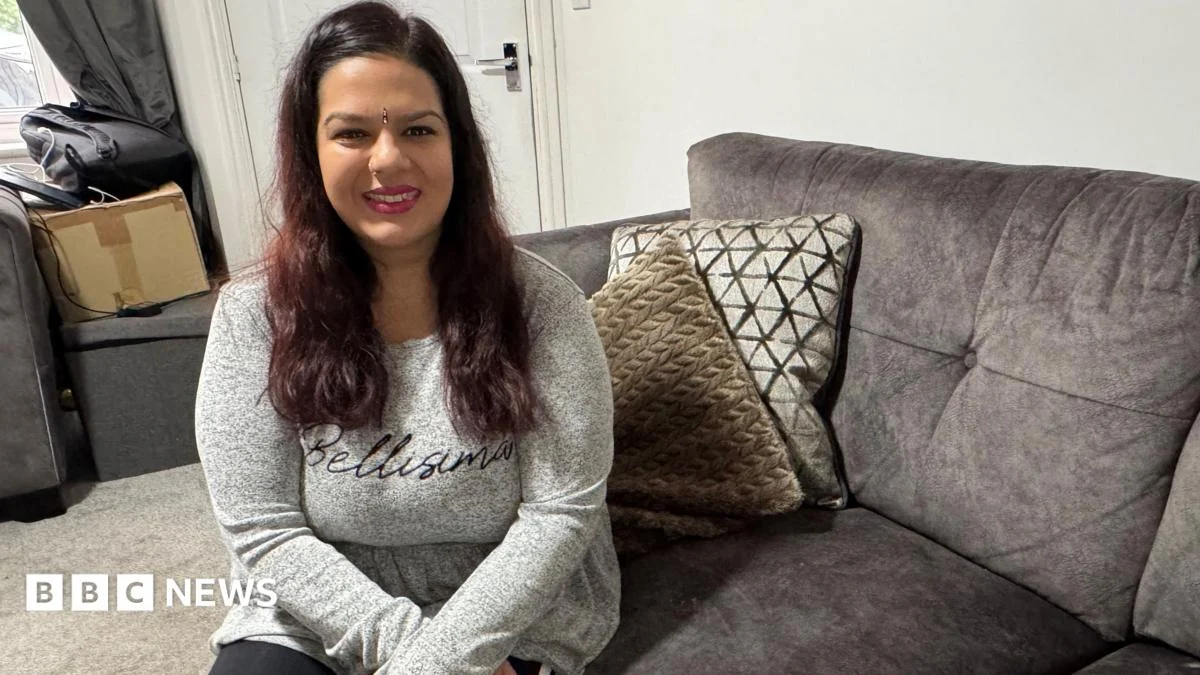
"For countless women, a PCOS diagnosis often follows years of dismissive medical encounters and leaves them navigating a ‘rabbit hole’ of fear and uncertainty, highlighting a critical void in awareness and comprehensive post-diagnosis care."
This profound statement encapsulates the harrowing experiences of individuals like Neelam and Rochelle, who faced years of perplexing symptoms, medical skepticism, and ultimately, a diagnosis of Polycystic Ovary Syndrome (PCOS) that offered little clarity or structured support. Their stories underscore a systemic issue within healthcare, where a common and debilitating condition affecting millions globally is frequently misdiagnosed, dismissed, or inadequately managed, leaving patients feeling isolated and ill-equipped to confront its multifaceted challenges.
Polycystic Ovary Syndrome (PCOS) is a complex endocrine disorder that affects approximately one in ten women of reproductive age worldwide. Characterized by a hormonal imbalance, it manifests through a diverse range of symptoms, making diagnosis often protracted and challenging. These symptoms can include irregular or absent periods, excess androgen (male hormone) levels leading to hirsutism (excess facial and body hair), acne, and androgenic alopecia (thinning hair or male-pattern baldness), as well as polycystic ovaries (ovaries that may be larger than normal and contain many small follicles). Beyond these visible and often distressing manifestations, PCOS is also associated with a higher risk of developing type 2 diabetes, cardiovascular disease, and mental health issues such as anxiety and depression.
Neelam’s journey into understanding her condition began abruptly at university, a time typically associated with new freedoms and academic pursuits. Instead, her early adulthood was overshadowed by a constellation of debilitating symptoms: profoundly irregular and intensely painful periods, noticeable thinning of her hair, unexplained weight gain, and persistent, crushing exhaustion. Her periods, when they did occur, were not merely uncomfortable but excruciating, draining her energy and making even routine activities, like attending lectures, an immense struggle. "My periods were so irregular but when I had them they were extremely painful, massively fatigued," she recounted, highlighting the severity of her physical distress.
Her repeated visits to her general practitioner yielded little in the way of concrete answers or effective solutions. Like many women presenting with similar symptoms, Neelam was advised to "exercise more and lose weight" – a common, yet often unhelpful and even dismissive, recommendation that fails to address the underlying hormonal complexities of PCOS. This lack of understanding and effective management meant her symptoms continued to escalate, directly impacting her academic performance. She found herself missing crucial lectures and, as a direct consequence, needing to re-sit exams, adding significant stress to an already challenging situation.
The eventual diagnosis of PCOS, when it finally arrived, offered little immediate relief. Neelam had "never heard" of the condition before, plunging her into a "rabbit hole" of fear and uncertainty. The medical consultation itself left much to be desired, particularly a stark comment regarding her fertility: "It was the comment of ‘it’ll be difficult for you to have children, but we’ll cross that bridge when we come to it’," she explained. This life-altering information was "just dropped in a conversation," leaving her to "figure it all out by myself" without adequate explanation, emotional support, or guidance on managing the condition’s long-term implications.
Similarly, Rochelle Lewis, from Wolverhampton, endured years of profound struggle before receiving her diagnosis. From a young age, she grappled with significant facial hair growth, a symptom that became a source of intense bullying and deep personal distress. "I’ve always struggled with a lot of facial hair growing up, it was something I was really bullied about, so I tried to do absolutely everything I could to try and get rid of it," she shared, painting a vivid picture of her childhood anguish and attempts to conform. Alongside this, she experienced painful periods and persistent anxiety, classic yet often overlooked indicators of PCOS.
The first mention of PCOS in Rochelle’s life came not from a medical professional, but from a family friend, who, observing her symptoms, suggested, "oh, maybe she’s got PCOS." Rochelle was about 16 at the time, marking the beginning of her self-advocacy. However, her attempts to raise concerns with doctors as a teenager were met with skepticism. "So I went to the doctors and they literally just brushed it off and were like, ‘no, we don’t think you’ve got PCOS’," she recalled. This dismissal is a tragically common experience for women presenting with PCOS symptoms, contributing to significant delays in diagnosis and treatment.
After years of persistent advocacy and navigating a healthcare system that often failed to listen, Rochelle, now 31 and a mother to a seven-month-old son, finally received her PCOS diagnosis in her early thirties. She described the diagnostic process as "frustrating" and profoundly "emotionally draining, not to be listened to, not to be heard." Her experience underscores a critical flaw in current healthcare pathways: the emotional toll exacted by medical gaslighting and the feeling of being disbelieved.
The stories of Neelam and Rochelle are not isolated incidents but reflect a systemic pattern in the diagnosis and management of PCOS. The diagnostic criteria for PCOS, often referred to as the Rotterdam criteria, require the presence of at least two out of three factors: oligo- or anovulation (infrequent or absent ovulation), clinical or biochemical signs of hyperandrogenism, and polycystic ovaries on ultrasound (after ruling out other conditions). However, the varied presentation of symptoms means that many women do not fit neatly into these categories, leading to missed or delayed diagnoses. Furthermore, a lack of consistent education among healthcare professionals about the nuances of PCOS can contribute to the dismissal of symptoms, particularly when they are attributed to lifestyle factors rather than underlying hormonal imbalances.
The psychological burden associated with PCOS is immense. The visible symptoms, such as hirsutism and acne, can significantly impact body image and self-esteem, leading to anxiety, depression, and social withdrawal. The uncertainty surrounding fertility, as Neelam experienced, adds another layer of emotional distress. Women are often left to grapple with these complex feelings in isolation, further exacerbated by the feeling of not being heard or understood by medical professionals.
The link between PCOS and fertility is a major concern for many women. The hormonal imbalances associated with PCOS can interfere with ovulation, making conception difficult. While it is true that many women with PCOS may face challenges, it is crucial to emphasize that having PCOS does not mean infertility. With appropriate medical guidance, lifestyle modifications, and fertility treatments (such as ovulation induction or IVF), many women with PCOS are able to conceive and carry healthy pregnancies, as Rochelle’s experience as a mother demonstrates. However, the way this information is delivered, as Neelam highlighted, can be incredibly impactful, requiring sensitivity and comprehensive counseling rather than a blunt statement that leaves patients feeling hopeless.
A significant gap exists in post-diagnosis care for PCOS. Both Neelam and Rochelle articulated a profound sense of abandonment once a diagnosis was delivered. "So you get told, you get given your diagnosis and that’s it… we’re just left to it," Rochelle lamented. This lack of structured support means that women are often left to navigate a labyrinth of information, treatment options, and lifestyle changes without adequate guidance. What is desperately needed are integrated care pathways that provide patients with comprehensive information, referrals to specialists (endocrinologists, gynecologists, dietitians, mental health professionals), and ongoing support to manage the multifaceted aspects of the condition. This includes education on diet and exercise tailored for PCOS, medication options, mental health counseling, and resources for fertility planning.
The experiences of Neelam and Rochelle serve as a powerful call to action. There is an urgent need for increased awareness of PCOS, not only among the general public but critically within the medical community. Enhanced training for healthcare professionals on the varied presentation of PCOS, its diagnostic criteria, and the importance of a holistic, empathetic approach to patient care is paramount. Furthermore, patient advocacy and the development of robust support systems are essential to ensure that women with PCOS are listened to, believed, and empowered with the knowledge and resources they need to manage their condition effectively. As Rochelle rightly asserted, "We need to have processes put in place to actually help us," ensuring that no woman is left to face the complexities of PCOS alone.
