
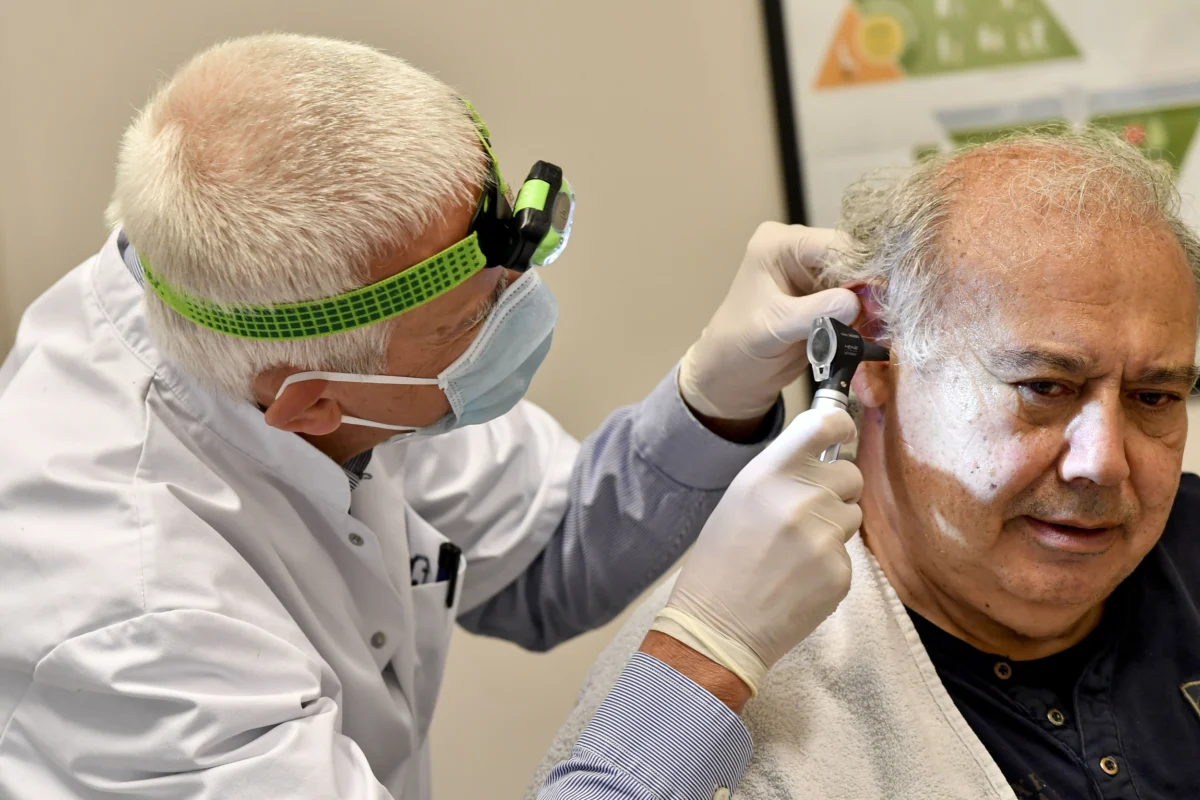
"While not a first-line treatment for all, the inclusion of bimodal neuromodulation, exemplified by the Lenire device, in the latest U.S. clinical practice guidelines signifies a crucial expansion of evidence-based options for the millions suffering from bothersome tinnitus."
The American Academy of Otolaryngology-Head and Neck Surgery Foundation (AAO-HNSF) has updated its clinical practice guidelines for tinnitus, a condition affecting over 50 million Americans. Published on October 12, 2026, in the journal Otolaryngology-Head and Neck Surgery, the revised guidelines now incorporate bimodal neuromodulation, a technology utilized by the Lenire device, as a treatment option. This marks a significant development, introducing a device-based approach alongside established therapies such as hearing evaluations, counseling, and cognitive behavioral therapy. While the guideline assigns bimodal neuromodulation its lowest positive recommendation grade, termed an "option," it acknowledges its potential to benefit adults with persistent, bothersome tinnitus, underscoring that it is a choice for some patients rather than a universal first-line intervention.
The inclusion of bimodal neuromodulation represents a notable advancement in the management of tinnitus, a condition characterized by the perception of sound in the absence of an external source, which can range from a mild annoyance to a debilitating symptom impacting quality of life. The AAO-HNSF’s updated guidelines, which replace the 2014 version, offer healthcare professionals a more comprehensive framework for patient care. Dr. Meredith E. Adams, chair of the guideline update group, emphasized the fundamental importance of a thorough hearing evaluation for every patient experiencing tinnitus. Furthermore, the updated guidelines highlight the necessity for clinicians to proactively inquire about emotional distress and suicidal ideation, acknowledging the profound psychological impact of chronic tinnitus.
Neuromod Devices, the Irish company behind the Lenire device, announced its inclusion in the guidelines on October 16, framing it as "the only new treatment recommendation" added by the academy since the establishment of its tinnitus guidelines in 2014. The company also referred to the device as "a new standard of care," a designation they associate with its 2023 FDA authorization rather than the guideline itself. However, the guideline materials present a more nuanced perspective. Bimodal neuromodulation is one of five new topics introduced in the update, alongside screening for self-harm, somatosensory tinnitus, cochlear implantation, and follow-up protocols. The update also introduces a recommendation for referring certain patients for cochlear implant evaluation, a point that contrasts with the company’s singular focus on Lenire. Importantly, the academy’s published materials do not employ the phrase "standard of care." Ross O’Neill, founder of Neuromod, expressed enthusiasm, stating, "This is another historic first for our company, our technology and for the field of tinnitus treatment."
The AAO-HNSF’s updated guideline comprises 16 key action statements for adults whose tinnitus has persisted for six months or longer and significantly affects their daily lives. Beyond the integration of bimodal neuromodulation, the guideline continues to endorse patient education and counseling, hearing aid evaluations for individuals with hearing loss, sound enrichment techniques, and cognitive behavioral therapy (CBT). Conversely, the guideline advises against the routine use of medications, dietary supplements, or repetitive transcranial magnetic stimulation (rTMS) for tinnitus management. Imaging studies are recommended only for patients presenting with specific concerning features, such as unilateral tinnitus (ringing in only one ear) or pulsatile tinnitus (a rhythmic sound that often syncs with the heartbeat), which may indicate a more serious underlying condition.
The Lenire device received FDA authorization in March 2023. Its efficacy was primarily assessed in the TENT-A3 study, published in Nature Communications in 2024. This study involved 112 adults across three clinical sites. Participants initially underwent a six-week period of sound-only therapy, followed by a subsequent six-week period of combined sound therapy and electrical stimulation to the tongue. The results indicated that among individuals with moderate or worse tinnitus who did not experience substantial improvement with sound therapy alone, 70.5% reported a clinically significant improvement after six weeks of the combined treatment. No serious adverse events related to the device were reported.
However, it is crucial to note certain limitations of the TENT-A3 study. The trial did not include a separate, concurrently running placebo or sham group, and the study was sponsored by Neuromod. Because all participants received sound therapy first and then the combined treatment, some observed improvement could be attributed to factors such as the passage of time, increased attention to their condition, or the natural fluctuation of tinnitus symptoms. A randomized sham-controlled design is typically employed to rigorously isolate the specific effects of an intervention. Furthermore, the long-term durability of Lenire’s effects remains an open question. Audiologist Marc Fagelson, chair of the American Tinnitus Association’s scientific advisory committee, noted in a 2024 interview with NPR, "How durable are the effects? We don’t really know yet." The American Tinnitus Association is among the organizations that have endorsed the new guideline.
The cost and accessibility of Lenire are significant considerations for patients. One individual reported paying approximately $4,000 for the device, with no insurance coverage. While the device is available through trained audiologists and ENT clinics, Neuromod also states that it is offered through the Department of Veterans Affairs (VA). Tinnitus is identified as the most common service-connected disability among veterans, according to the AAO-HNSF’s announcement of the updated guideline. The treatment regimen requires a commitment of daily hour-long sessions over several weeks, involving a mouthpiece and headphones, in addition to initial fitting and follow-up appointments with a clinician. This intensive commitment may not be feasible or desirable for all individuals, particularly those with limited time, pre-existing dental or jaw issues, or difficulties using medical devices.
For individuals experiencing new or worsening tinnitus, the initial step should always be a consultation with a healthcare professional and a comprehensive hearing test. Certain symptoms warrant prompt medical evaluation, including tinnitus in only one ear, pulsatile tinnitus, sudden hearing loss, dizziness, or facial weakness, as these could indicate a more serious underlying medical problem. Patients already living with persistent tinnitus are encouraged to discuss all available options with their ENT or audiologist, which may include hearing aids, sound therapy, and cognitive behavioral therapy. Before committing to Lenire, patients should inquire about the total cost, the availability of refund policies, the nature and frequency of follow-up visits, and realistic expectations regarding potential improvement.
The pervasive impact of tinnitus on sleep and mood is well-documented, with up to one-third of patients potentially experiencing significant depressive symptoms, according to the academy. Individuals experiencing thoughts of self-harm are urged to contact the 988 Suicide and Crisis Lifeline. Further independent trials incorporating sham controls and extended follow-up periods are needed to definitively determine the extent to which Lenire’s benefits are attributable to the device itself and to establish the duration of these effects.
Key Questions Answered:
What changed in the tinnitus guidelines?
The AAO-HNSF updated its tinnitus guideline on October 12, 2026. It now includes bimodal neuromodulation, the technology used by Lenire, as an "option" that clinicians may recommend for patients.
Is Lenire now a standard of care?
While the company Neuromod uses the term "standard of care," the AAO-HNSF guideline categorizes bimodal neuromodulation as an "option," its lowest level of positive recommendation. This indicates it is a choice for some patients, not a universal first-line treatment.
How does Lenire work?
Lenire utilizes a combination of auditory stimulation through headphones and mild electrical pulses delivered to the tongue via a mouthpiece. Treatment typically involves daily, hour-long sessions.
How well does it work?
In a company-sponsored trial of 112 participants, 70.5% of those with moderate or worse tinnitus who did not improve with sound alone reported a clinically significant improvement after six weeks of combined sound and tongue stimulation therapy. This study did not include a concurrent sham group.
How much does Lenire cost?
One patient reported a cost of approximately $4,000 without insurance. The manufacturer states that the device is also available through the Department of Veterans Affairs.
What other tinnitus treatments does the guideline support?
The updated guideline continues to support comprehensive hearing evaluations, patient counseling, hearing aids for individuals with hearing loss, sound enrichment therapies, and cognitive behavioral therapy.
