
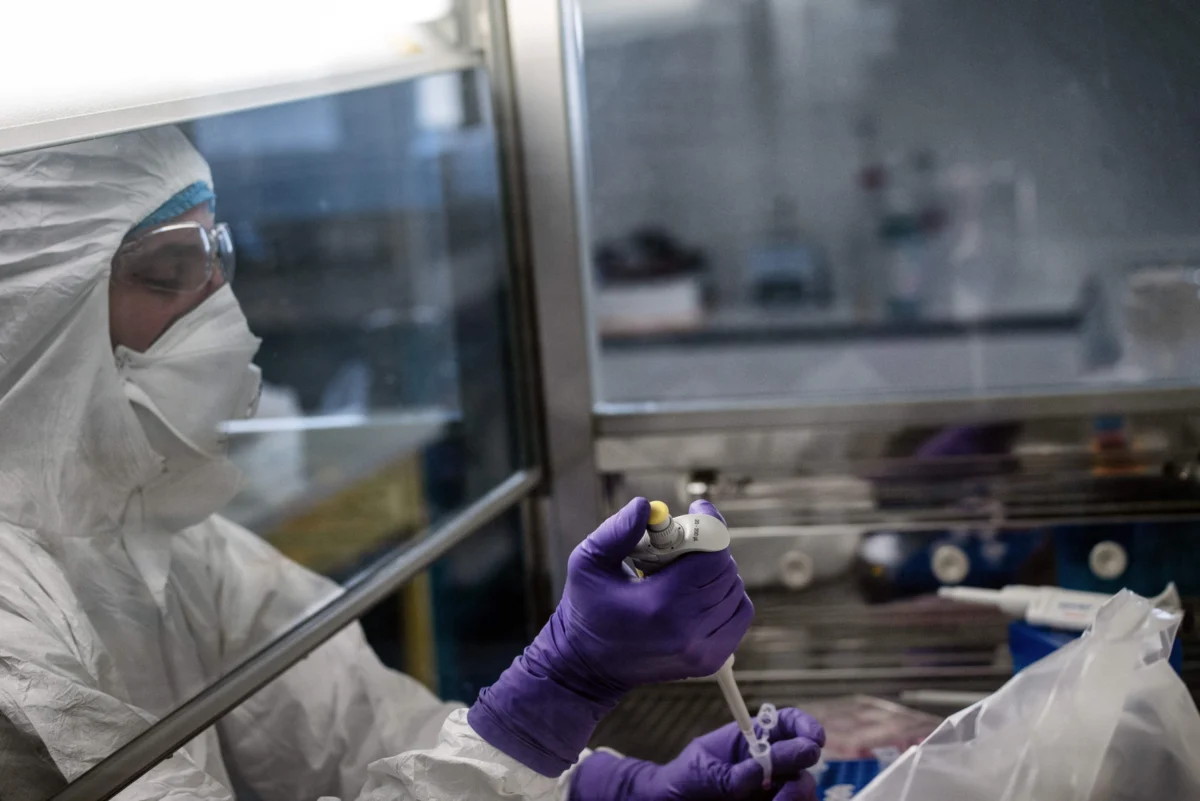
"New exploratory analyses suggest that individuals who contracted COVID-19 despite taking Xocova experienced less severe symptoms and lower viral loads compared to those on a placebo, offering a glimmer of hope for managing breakthrough infections during the ongoing respiratory virus season."
As respiratory virus season intensifies, new exploratory analyses from Shionogi, the developer of the oral antiviral Xocova (ensitrelvir), offer preliminary insights into its potential impact on breakthrough COVID-19 infections. Presented at IDWeek 2026 in Washington, D.C., these findings suggest that individuals who contracted the virus after household exposure, despite taking Xocova, may experience milder illness and reduced viral replication compared to those who received a placebo. While these early results are encouraging, particularly for families navigating the complexities of preventing and managing COVID-19, they are based on small, exploratory analyses and were not the primary objectives of the original trial. The data address a critical question: what happens if preventative measures, like taking a five-day course of Xocova after exposure, don’t entirely prevent infection? The emerging picture points towards a potentially less severe course of illness, though further robust research is needed to confirm these benefits and address significant hurdles related to cost and accessibility.
Shionogi’s presentation at IDWeek 2026 introduced novel data from exploratory analyses aimed at understanding the outcomes of Xocova use following household COVID-19 exposure, including scenarios where individuals still developed the infection. These analyses are particularly relevant as families face the prospect of COVID-19 transmission within shared living spaces, especially during periods of heightened viral circulation. The drugmaker reported that people who developed a positive PCR test result for COVID-19 while taking Xocova after a known household exposure exhibited lower peak viral RNA levels and were less prone to reporting severe symptoms when contrasted with a control group receiving a placebo.
The concept of a "breakthrough infection" in these analyses was defined as a positive PCR test, irrespective of symptom presence. Within the main analysis cohort of the original trial, 144 individuals taking Xocova and 217 on placebo experienced such infections. For those who developed symptomatic COVID-19 despite their Xocova regimen, a notable difference emerged in symptom severity. Approximately 28.6% (8 out of 28) of Xocova users reported severe symptoms, a significantly lower proportion compared to 53.9% (48 out of 89) of placebo recipients. Furthermore, peak viral RNA levels in these breakthrough infections were demonstrably lower among Xocova users, averaging 3.1 log copies per milliliter, versus 4.3 log copies per milliliter in the placebo group.
Beyond individuals who developed symptomatic infections post-exposure, Shionogi also examined a cohort of 237 household contacts who were already infected at the time of enrollment, despite having initially tested negative on local screening tests and exhibiting no symptoms. In this group, only 2 out of 18 individuals on Xocova reported severe symptoms, compared to 9 out of 24 on placebo. While Shionogi characterized these differences as "numerically lower," they did not report statistical significance, underscoring the exploratory nature of these findings.
In a separate, pooled analysis drawn from two treatment trials, a compelling result emerged regarding viral clearance. The data indicated that 95.7% of Xocova recipients had no detectable infectious virus by day four of treatment, a stark contrast to the 72.1% observed in the placebo group. It is crucial to note that Xocova is not currently approved for the treatment of COVID-19 in the United States.
Dr. Simon Portsmouth, head of clinical development at Shionogi Inc., commented on the significance of these observations, stating, "These observations add to our understanding of the potential outcomes associated with early administration of ensitrelvir following household exposure." This sentiment highlights the ongoing effort to comprehensively evaluate the drug’s role in the COVID-19 landscape, particularly in preventative and post-exposure scenarios.
Evolution of Xocova’s Role: From Prevention to Post-Exposure
MedicalDaily’s initial reporting on Xocova focused on its Food and Drug Administration (FDA) approval on June 1, 2026, as the first oral pill indicated for post-exposure prophylaxis to help prevent COVID-19. This approval, granted for individuals aged 12 and older who had come into contact with someone diagnosed with COVID-19, was based on the robust findings of the phase 3 SCORPIO-PEP trial. This pivotal trial, involving 2,387 household contacts and published in the New England Journal of Medicine, demonstrated that initiating the five-day course of Xocova within 72 hours of a household member’s first symptoms reduced the risk of developing symptomatic COVID-19 by 67% through day 10. The side effect profile in the original trial was comparable to placebo, with headache, diarrhea, and cough being the most frequently reported adverse events.
At the time of its approval, Dr. Frederick Hayden of the University of Virginia, the lead author of the SCORPIO-PEP trial, emphasized its importance, stating it "provides an important new approach to preventing COVID-19." However, external expert opinions, as reported by PolitiFact in August 2026, suggested that the drug’s benefit in preventing infection might not be substantial enough to warrant widespread use among all exposed individuals. The recent exploratory analyses presented at IDWeek 2026 delve into a different facet of the drug’s utility: its impact when preventative measures are not entirely successful.
Critical Considerations for Households Navigating Xocova Use
Despite the encouraging preliminary data on breakthrough infections, several critical limitations and considerations must be weighed by families contemplating the use of Xocova. The analyses presented at IDWeek 2026 are explicitly labeled as exploratory, meaning they were not the primary endpoints of the original trials and were sponsored by the manufacturer. The patient groups examined in the breakthrough infection analyses were relatively small, particularly among Xocova users, and their formation occurred after the initial randomization process. This post-randomization stratification raises concerns about whether the compared groups were truly equivalent at the outset, potentially influencing the observed outcomes. Furthermore, findings presented at conferences have not yet undergone the rigorous peer-review process typically required for publication in scientific journals, necessitating caution in their interpretation.
The data regarding the reduction of infectious virus levels, while promising, originated from individuals who were already infected at the time of enrollment in treatment trials, not from household contacts who received Xocova for prophylaxis. Consequently, these findings do not definitively establish whether Xocova, when used as a preventative measure, can reduce the transmission of the virus to others. Shionogi has acknowledged that this specific question warrants further dedicated evaluation.
The ongoing burden of COVID-19 remains a significant public health concern. Preliminary estimates from the Centers for Disease Control and Prevention (CDC), cited by Shionogi, indicate a substantial toll in the United States from October 1, 2025, through September 26, 2026. These estimates project between 5.2 million and 14.6 million cases, 170,000 to 270,000 hospitalizations, and 17,000 to 48,000 deaths. The risk of severe illness disproportionately affects older adults and individuals with pre-existing chronic conditions such as heart, lung, or kidney disease, underscoring the continued need for effective preventative and therapeutic strategies.
The cost of Xocova presents a substantial practical barrier for many. As of August 2026, the manufacturer reported that the drug lacked coverage under Medicare, Medicaid, or commercial insurance plans, a situation that may have evolved since. Individuals considering the drug are strongly advised to verify current coverage with their insurance providers or pharmacists. The out-of-pocket cost for a five-day course of Xocova is approximately $1,400.
Furthermore, Xocova has potential drug interactions with a wide array of commonly prescribed medications. The official FDA prescribing information highlights contraindications with certain drugs, including the statin simvastatin, the seizure medications carbamazepine and phenytoin, and the herbal supplement St. John’s wort. Animal studies have also suggested a potential risk of harm to an unborn baby, necessitating careful consideration of pregnancy status before initiation. Breastfeeding is advised to be paused during treatment and for at least two weeks following the final dose.
Navigating Household COVID-19 Exposures: A Proactive Approach
In the event of a household member testing positive for COVID-19, prompt action is recommended, particularly for individuals at higher risk of severe illness. Consulting a clinician quickly is paramount, as the efficacy of Xocova in the SCORPIO-PEP trial was predicated on initiating treatment within 72 hours of the index case’s first symptoms. It is advisable to prepare a comprehensive list of all current medications and supplements to facilitate a thorough assessment of potential drug interactions by the prescribing clinician.
Xocova is specifically intended for individuals who are asymptomatic following a known exposure to COVID-19. Those who are already experiencing symptoms of the virus should consult a healthcare professional to discuss established and approved treatment options.
Fundamental public health measures remain essential components of managing household exposures. These include diligent testing, implementing physical distancing from infected household members whenever feasible, and staying up-to-date with recommended COVID-19 vaccinations. Any individual experiencing severe symptoms such as difficulty breathing, chest pain, confusion, or bluish discoloration of the lips should seek immediate emergency medical care.
The newly released data on breakthrough infections are promising but remain preliminary. Future developments to monitor include the peer-reviewed publication of these specific breakthrough analyses, decisions regarding insurer coverage for Xocova, and independent assessments of the drug’s real-world performance outside of controlled clinical trial settings.
Key Questions Answered
What is new regarding Xocova?
Shionogi presented exploratory analyses at IDWeek 2026 suggesting that individuals who contracted COVID-19 despite taking Xocova experienced lower viral loads and less severe symptoms compared to those who received a placebo.
Do these new data confirm that Xocova mitigates breakthrough COVID-19?
No. The analyses are exploratory, company-sponsored, and based on small participant groups. Statistical significance for the observed differences was not reported.
Who is eligible to take Xocova?
The FDA has approved Xocova for individuals aged 12 and older who have been in close contact with someone diagnosed with COVID-19. A prescription from a qualified clinician is required.
What is the recommended timing for starting Xocova after exposure?
In the clinical trial, participants began the medication within 72 hours of the first symptoms appearing in the infected household member.
What is the cost of Xocova?
A five-day course of Xocova costs approximately $1,400 out-of-pocket. As of August 2026, it did not have insurance coverage, so checking with your specific plan or pharmacist for the latest information is advised.
Who should exercise caution when considering Xocova?
Individuals taking certain medications or supplements, as well as those who are pregnant or breastfeeding, should consult with a healthcare provider due to potential drug interactions and possible risks.
