
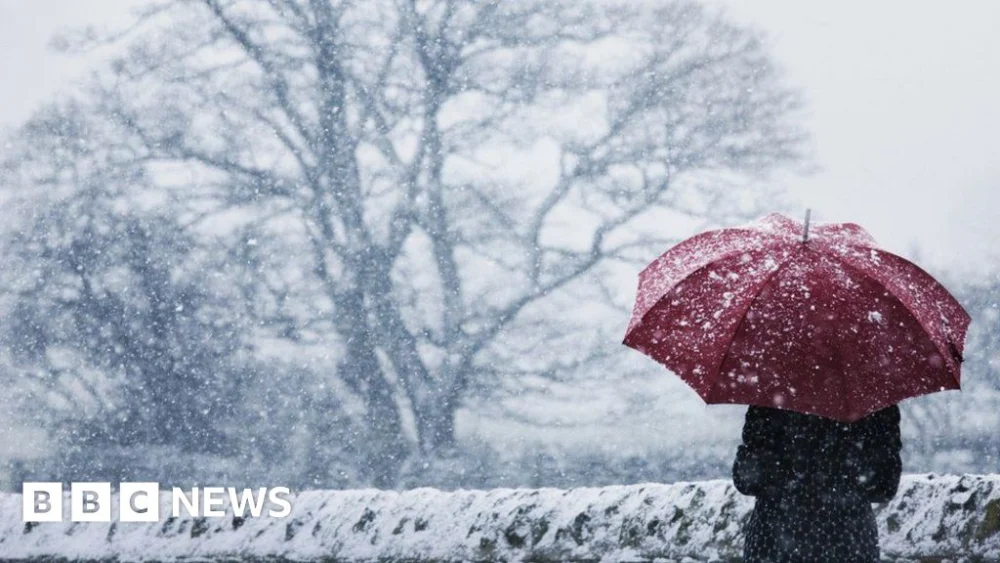
"The UK’s comprehensive weather health alert system, a joint effort by the UK Health Security Agency and the Met Office, is vital in mitigating the health risks posed by extreme temperatures, from the most vulnerable to critical national infrastructure, by issuing timely, tiered guidance."
In an era of increasingly unpredictable weather patterns, the United Kingdom has implemented a sophisticated and proactive health alert system designed to protect its population from the adverse effects of extreme heat and cold. This critical service, managed collaboratively by the UK Health Security Agency (UKHSA) and the Met Office, transcends simple weather forecasting by directly linking meteorological conditions to potential public health impacts. Its primary objective is to significantly reduce illness, hospitalisations, and fatalities that can arise during periods of severe temperatures, thereby bolstering the resilience of both individuals and the nation’s healthcare infrastructure.
The weather health alert service operates exclusively across England, leveraging the distinct expertise of its two core agencies. The UKHSA brings its deep understanding of public health risks, epidemiological data, and health protection strategies, while the Met Office provides authoritative meteorological forecasts, climate science, and advanced weather modelling capabilities. This integrated approach ensures that alerts are not only timely and accurate but also grounded in a robust understanding of how specific weather conditions translate into tangible health threats.
The system is meticulously seasonal, reflecting the distinct challenges posed by different times of the year. Cold health alerts are active from the beginning of November through the end of March, coinciding with the typical winter period when temperatures frequently drop to hazardous levels. Conversely, heat health alerts are issued between June and September, covering the summer months when prolonged periods of high temperatures can lead to significant health complications. This seasonal segmentation allows for targeted monitoring and preparedness strategies tailored to the prevailing environmental risks.
Beyond merely informing the general public, a key strength of this system lies in its direct communication channels. During periods of adverse weather, critical guidance is disseminated directly to NHS England, various government departments, and frontline healthcare professionals. This ensures that hospitals, general practitioners, social care providers, and emergency services are forewarned, enabling them to anticipate increased demand, adjust staffing levels, and implement specific care protocols to protect vulnerable patients. The guidance might include advice on managing existing conditions in extreme temperatures, identifying at-risk individuals, or even deploying mobile care units.
Alerts are categorised into a four-tiered system, ranging from green to red, each signifying a different level of severity and requiring a corresponding escalation in response. This graduated approach allows for a nuanced and proportionate reaction to weather-related health threats.
Understanding the Alert Levels
The determination of each alert level is based on comprehensive Met Office forecasts and real-time data, meticulously analysed to assess the potential impact on public health.
Green Alert: Preparedness and Vigilance
A Green alert represents the normal operating level, indicating that the prevailing weather conditions pose a minimal risk to health. At this stage, the focus is on preparedness. The public, healthcare providers, and critical services are advised to review general guidance on how to respond should temperatures rise or fall significantly. This includes promoting awareness of general cold weather advice (e.g., keeping homes warm, dressing appropriately) or hot weather advice (e.g., staying hydrated, avoiding peak sun hours). It’s a foundational level for ongoing public health education and readiness.
Yellow Alert: Localised Risk to Vulnerable Populations
Yellow alerts are issued when hot or cold weather conditions are expected to pose a risk primarily to particularly vulnerable segments of the population. This includes, but is not limited to, the elderly (especially those living alone or with limited mobility), infants and young children, individuals with pre-existing chronic health conditions such as cardiovascular diseases, respiratory illnesses (like asthma or COPD), diabetes, and those with mental health conditions. People experiencing homelessness or those in inadequate housing are also at heightened risk. At this level, healthcare professionals and local authorities are encouraged to proactively check on these vulnerable individuals, ensure they have access to appropriate care, and reinforce specific advice such as maintaining indoor temperatures, ensuring adequate hydration, or avoiding strenuous activity during hot periods.
Amber Alert: Widespread Risk and NHS Strain
An Amber alert signifies a more serious situation, where the weather conditions are severe enough to potentially put the entire population at risk, not just the vulnerable. During an Amber alert, there is a high likelihood of increased demand across the National Health Service. This can manifest as a surge in general practitioner appointments for weather-related ailments, a rise in ambulance call-outs for emergencies like heatstroke, hypothermia, or exacerbations of chronic conditions, and increased admissions to Accident and Emergency departments. Beyond healthcare, Amber alerts also indicate a significant probability of wider societal disruption, particularly impacting travel. This could include delays and cancellations on public transport due to heat-related track buckling or icy conditions, and hazardous driving conditions on roads. Public messaging intensifies, advising caution and outlining specific actions to mitigate risks.
Red Alert: Significant Threat to Life and Critical Infrastructure
The Red alert is the highest and most severe level, reserved for situations where extreme hot or cold weather poses a significant risk to life, even for healthy individuals. This level of alert implies a national emergency, where widespread and severe impacts are anticipated. The threat extends beyond individual health to the functionality of critical national infrastructure. Examples of potential failures include widespread power outages due to overloaded grids during heatwaves or extreme cold, mass disruptions to transport networks with roads and rail lines becoming impassable, and potential impacts on essential services such as water supply or communication networks. A Red alert triggers a coordinated national response, mobilising resources from across government and emergency services to protect lives and maintain essential functions.
The Physiological Impact of Cold Weather
Cold weather exerts a profound and multifaceted impact on the human body, contributing to a range of health issues. During the colder months, the incidence of infectious diseases like influenza, common colds, and sore throats typically rises. This is partly due to factors such as drier indoor air, which can aid viral transmission, and people spending more time indoors in closer proximity. Pneumonia, a serious lung infection causing inflammation, also becomes significantly more common following periods of cold weather, often as a complication of viral infections. Furthermore, cases of norovirus, colloquially known as the "winter vomiting bug," frequently see an uptick during the colder season, contributing to additional strain on public health.
To illustrate the immediate physiological effects of cold, an experiment involving presenter James Gallagher highlighted startling changes. After spending just 30 minutes in a room where the air temperature plummeted from 21°C to 10°C, a series of adverse reactions were observed. His body responded by constricting blood vessels to conserve heat, leading to a measurable decrease in blood flow to his brain. Simultaneously, his blood pressure and heart rate increased as his cardiovascular system worked harder to maintain core body temperature. The temperature of his extremities—arms, legs, and head—dropped noticeably, indicating peripheral vasoconstriction. Cognitively, he took significantly longer to complete a series of puzzles, demonstrating impaired mental acuity under cold stress.

Professor Damian Bailey, a leading expert in environmental physiology, underscores the critical threshold of 18°C as the body’s "tipping point." Below this ambient temperature, the human body is compelled to expend considerable energy to maintain its core temperature of approximately 37°C. This constant struggle to regulate internal temperature places significant strain on various physiological systems, particularly the cardiovascular system. It is a key reason why serious cardiac events, such as heart attacks, and cerebrovascular incidents, like strokes, are notably more common during the winter months. The increased workload on the heart and the changes in blood viscosity and pressure can precipitate these life-threatening conditions.
Given these risks, maintaining a warm indoor environment is paramount. When it is not feasible to keep rooms heated to the recommended 18°C, specific practical measures become crucial for self-protection. Professor Bailey and other health experts recommend wearing multiple layers of clothing, including gloves, warm socks, and a woolly hat, as significant heat loss occurs through the extremities and head. Adopting a higher carbohydrate diet can also be beneficial, as carbohydrates provide a readily available energy source for metabolic heat production. Furthermore, engaging in regular, gentle physical activity helps to generate body heat and improve circulation. Other vital advice includes consuming hot drinks, avoiding excessive alcohol (which can create a false sense of warmth while increasing heat loss), ensuring proper ventilation to prevent carbon monoxide poisoning from faulty heaters, and checking on elderly or vulnerable neighbours to ensure their safety and warmth.
Broader Implications and Future Outlook
The UK’s weather health alert system represents a critical component of national resilience in the face of changing climate patterns. As extreme weather events become more frequent and intense, the economic burden on healthcare systems and the broader economy from heat-related illnesses and cold-weather emergencies is projected to rise. Proactive systems like this are essential for mitigating these costs, not just in terms of direct healthcare expenditure but also through reduced productivity, infrastructure damage, and community disruption.
The system also highlights the importance of public awareness and individual responsibility. While national alerts provide guidance, individual actions—such as checking on vulnerable neighbours, preparing homes for temperature extremes, and understanding personal risk factors—form the bedrock of an effective response. Local authorities and community support networks play a vital role in disseminating information and providing direct assistance, especially during amber and red alerts.
Looking ahead, continuous refinement of the system will be necessary. This may include expanding the seasonal alert periods as climate change alters the timing and duration of extreme weather, integrating more localised forecasting data, and leveraging technological advancements for faster and more targeted communication. Ultimately, the UK’s weather health alert system is a dynamic and essential tool for safeguarding public health, embodying a proactive approach to environmental challenges that are increasingly defining our future.
