
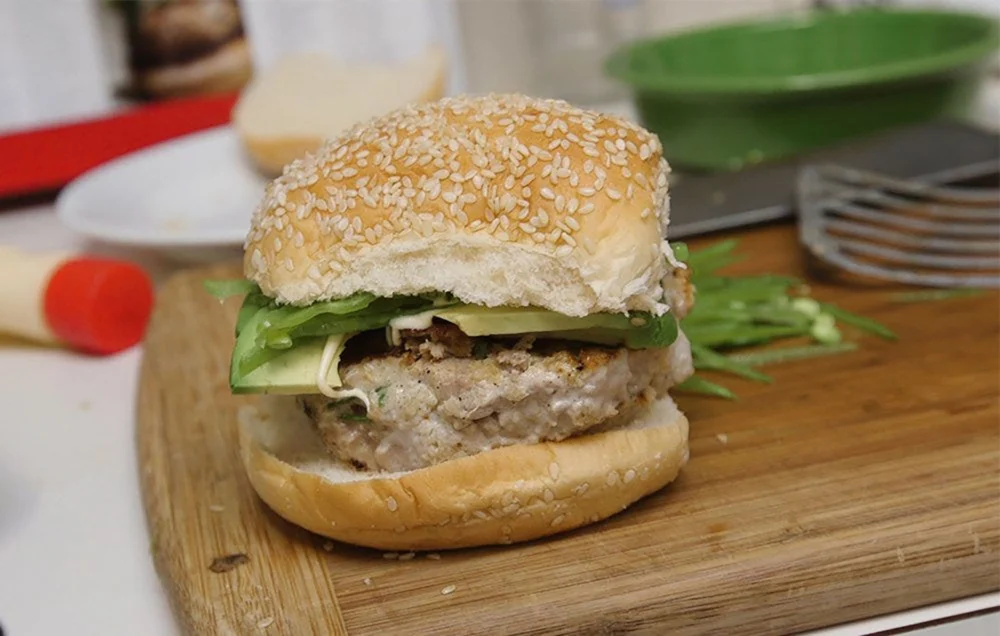
"While many non-beef alternatives struggle to match the texture and depth of traditional patties, fresh tuna offers a substantive, high-protein foundation that thrives under high heat and bold seasoning."
The modern culinary landscape is frequently divided between the traditionalist’s devotion to ground beef and the health-conscious search for lighter, more sustainable alternatives. However, the transition from beef to poultry or plant-based legumes often results in a significant loss of "mouthfeel" and flavor intensity, leaving a gap in the market for a protein that can truly stand up to the rigors of the grill. Fresh tuna emerges as the definitive solution to this dilemma, providing the structural integrity and savory profile required to satisfy the expectations of a burger enthusiast while offering a vastly different nutritional profile.
The Problem with the "Alternative" Burger
For decades, the non-beef burger has occupied a lonely, often ridiculed space on restaurant menus. Turkey burgers, salmon burgers, falafel patties, and black bean rounds are frequently relegated to the "healthy" corner, seen more as an obligation to dietary restrictions than a primary choice for the discerning palate. The fundamental issue with these alternatives is rarely the toppings—guacamole, fried jalapeños, and crispy onion strings can enhance almost any sandwich—but rather the base protein itself.
Beef is the gold standard for burgers because of its fat content and its ability to undergo the Maillard reaction, the chemical process that creates a savory, browned crust. Many alternatives, such as ground turkey or chicken, lack the necessary fat to stay moist under high heat, often resulting in a dry, mealy texture. Legume-based burgers frequently struggle with structural integrity, crumbling under the weight of traditional toppings. To truly "un-suck" the non-beef burger, one must find a protein that possesses the "meatiness" of beef—the ability to be seared on the outside while remaining juicy and tender on the inside.
The Tuna Contender: A Substantive Substitute
Fresh tuna, particularly yellowfin or ahi, is one of the few proteins that can legitimately enter the ring as a heavyweight contender against beef. Unlike the flaky, delicate nature of white fish like cod or tilapia, tuna is dense and muscular. In culinary circles, it is often referred to as the "steak of the sea" because its texture more closely resembles land-based red meat than it does other seafood.
This density is the secret to its success as a burger patty. Tuna is formidable; it does not fall apart when flipped on a cast-iron skillet or a grill grate. More importantly, tuna thrives when cooked to a medium-rare temperature. While a turkey burger must be cooked through to 165°F for safety—often sacrificing all moisture in the process—a tuna burger can be seared aggressively on the outside while maintaining a cool, buttery, and succulent center. This temperature gradient is exactly what burger aficionados look for in a high-end beef patty, making the transition to tuna feel like an upgrade rather than a compromise.
Nutritional Profiles: Beef vs. Tuna
From a nutritional standpoint, the argument for tuna is compelling. While high-quality, grass-fed beef is an excellent source of iron, zinc, and Vitamin B12, it also carries a significant load of saturated fat. For those looking to manage cholesterol or reduce caloric intake without sacrificing protein density, tuna is an elite alternative.
A standard serving of tuna provides a massive dose of lean protein with a fraction of the calories found in a 20% fat-blend beef patty. Furthermore, tuna is rich in omega-3 fatty acids, specifically EPA and DHA, which are essential for cardiovascular health, reducing inflammation, and supporting cognitive function. By swapping beef for tuna, a diner isn’t just avoiding "bad" fats; they are actively incorporating "good" fats that are notoriously difficult to find in the standard Western diet.
The "A Man, A Pan, A Plan" Approach
The evolution of the tuna burger is perfectly encapsulated in the recipe featured in the Men’s Health cookbook, A Man, A Pan, A Plan. Authored by Paul Kita, the book focuses on high-impact, low-complication cooking designed for the modern man. The philosophy is simple: use one pan, use fresh ingredients, and don’t settle for bland food.

The tuna burger in this collection departs from the traditional "burger" flavor profile of ketchup and mustard, instead leaning into the natural affinities of the fish. By slathering the meaty tuna patty with wasabi mayo, the dish gains a sharp, nasal-clearing heat that cuts through the richness of the fish. This is balanced by the inclusion of shredded fresh snow peas, which provide a clean, vegetal crunch—a necessary textural element that replaces the standard iceberg lettuce.
Finally, the addition of thin avocado slices provides the creamy, monounsaturated fat that rounds out the palate. This combination of wasabi, snow peas, and avocado creates a sophisticated, Asian-inspired flavor profile that elevates the burger from a simple sandwich to a gourmet experience.
Mastering the Technique: How to Cook the Perfect Tuna Burger
To achieve the results seen in the Men’s Health kitchen, technique is as important as the ingredients. The first step is selecting the right fish. While canned tuna is a pantry staple, it is entirely unsuitable for a burger patty of this caliber. You must start with fresh, sushi-grade tuna steaks.
When preparing the patty, it is often better to hand-chop the tuna into a coarse dice rather than putting it through a meat grinder. This preserved texture ensures that the burger feels "meaty" rather than mushy. A light binder, such as a small amount of panko breadcrumbs or an egg white, can be used, but with high-quality tuna, the protein’s natural stickiness often suffices if the patty is chilled before cooking.
The cooking process should be fast and hot. Using a heavy cast-iron skillet, the goal is to create a deep, caramelized crust in under two minutes per side. This high-heat sear locks in the moisture and creates the flavor contrast that makes the burger satisfying. Overcooking tuna is the most common mistake; once the fish becomes opaque throughout, it loses its buttery texture and takes on a dry, "canned" flavor. Aiming for a warm, pink center is the key to becoming a "believer" in the power of the tuna burger.
The Broader Impact on Health and Lifestyle
The push toward diverse protein sources is more than just a culinary trend; it is a response to a growing understanding of how diet impacts long-term vitality. For many men, the "meat and potatoes" archetype is hard to break because it is fundamentally satisfying. The brilliance of the tuna burger lies in its ability to mimic that satisfaction while providing the body with the fuel it needs to perform.
By incorporating recipes like those found in A Man, A Pan, A Plan, home cooks can bypass the "diet" mentality. You aren’t eating a tuna burger because you are on a restrictive regime; you are eating it because it is a culinary highlight of the week. This shift in perspective—from "giving up beef" to "embracing premium seafood"—is essential for sustainable healthy eating.
Conclusion: The Future of the Burger
The era of the "sucky" non-beef burger is coming to an end. As consumers become more educated about sourcing and preparation, the expectation for quality increases. Fresh tuna stands at the forefront of this revolution. It is substantive, it is versatile, and it possesses a unique ability to carry bold, modern flavors that would overwhelm a standard beef patty.
Whether you are a fitness enthusiast looking for a high-protein recovery meal, or a gourmet cook looking to impress guests with something beyond the standard backyard barbecue fare, the tuna burger offers a path forward. It proves that a burger doesn’t need beef to be "meaty," and it doesn’t need a deep fryer to be delicious. One bite of a perfectly seared tuna patty, topped with the sting of wasabi and the creaminess of avocado, is usually enough to convince even the most ardent beef purist that the barren corner of the menu has finally found its star.
