
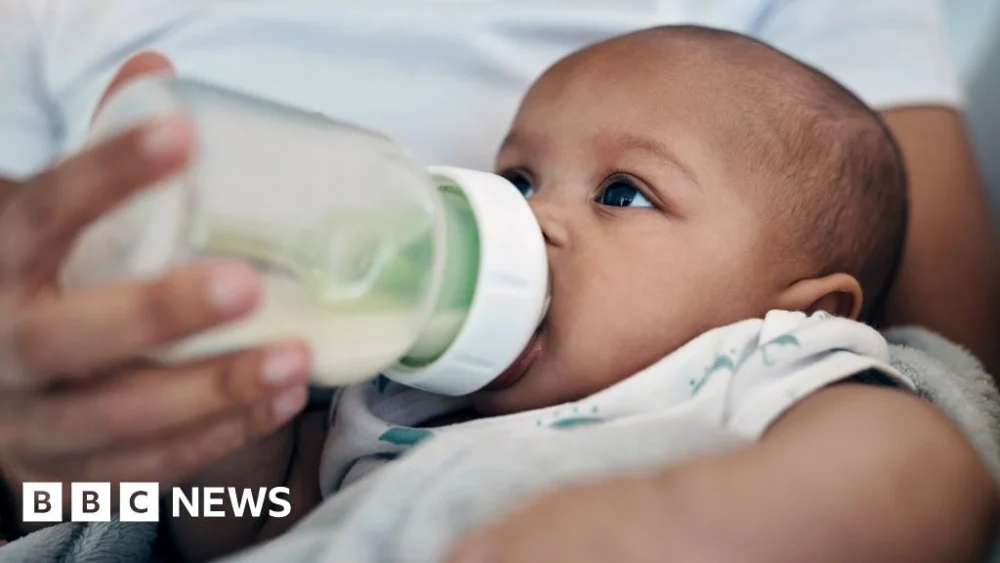
"Parents in the UK and globally are urged to immediately check their baby formula supplies following an expanded recall of Aptamil and Cow & Gate products due to potential cereulide toxin contamination, underscoring the critical need for vigilance in infant nutrition safety."
A significant recall has been initiated for numerous batches of infant formula products across the UK and over 60 countries globally, raising serious concerns among parents and public health officials. Food manufacturer Danone has announced the recall of 14 additional batches of its Aptamil and Cow & Gate first infant and follow-on milks. This action stems from the potential presence of cereulide, a bacterial toxin that, if consumed, could render the formula unsafe for babies and lead to symptoms such as nausea, vomiting, and abdominal cramps. This expanded recall highlights a broader, international issue involving multiple manufacturers, including Nestle, and emphasizes the crucial importance of stringent food safety protocols in the highly sensitive domain of infant nutrition.
The current recall in the UK is an extension of a global issue that has seen several prominent manufacturers, including Danone and Nestle, withdraw potentially contaminated infant formula products from markets worldwide since December. The Food Standards Agency (FSA) has reassured the public that, based on information from Danone and Nestle, the affected batches are unlikely to remain on supermarket shelves due to the time elapsed since their production. However, the critical concern lies with products that may still be stored in consumers’ homes. Consequently, parents and caregivers are being strongly advised to meticulously check their existing supplies against the list of recalled batch numbers to ensure the safety of their infants.
Cereulide, the toxin at the heart of this widespread recall, is produced by the bacterium Bacillus cereus. This particular toxin is notoriously heat-stable, meaning that conventional cooking methods, including the preparation of infant milk, are unlikely to destroy it. Upon ingestion, cereulide acts rapidly, typically within 30 minutes to 6 hours, to induce gastrointestinal distress. The primary symptoms, including nausea, vomiting, and abdominal cramps, can be particularly dangerous for infants, who are more susceptible to rapid dehydration and electrolyte imbalances compared to older children or adults. While the FSA has indicated that no serious illnesses have been reported among children in the UK linked to this specific contamination, the potential for severe health impacts underscores the gravity of the recall.
Investigations by food safety authorities, including the FSA, have traced the source of the contamination to a specific ingredient: arachidonic acid (ARA) oil. ARA is an omega-6 fatty acid naturally found in breast milk and is a common additive in infant formulas. It is included to support infant growth and development, particularly in areas like brain and vision development. The FSA revealed that the contamination originated from a third-party supplier of ARA oil, a supplier that the affected companies, including Danone, have since ceased using. This points to a critical vulnerability within the complex global supply chains that characterize modern food manufacturing. The reliance on external suppliers for specialized ingredients necessitates rigorous vetting and ongoing quality control measures to prevent such widespread contamination events.
The complexities of global supply chains mean that ingredients can travel through multiple hands and across various continents before reaching the final product. A lapse in quality control at any point along this chain, particularly with a sensitive ingredient like ARA oil, can have cascading effects, impacting products distributed globally. This incident serves as a stark reminder of the challenges faced by manufacturers in ensuring the safety of every single component that goes into their products, especially when catering to a vulnerable population like infants.
Responding to the crisis, a spokesperson for Danone North Europe emphasized the company’s unwavering commitment to food safety. They stated, "Danone never compromises on food safety, and we want to reassure all parents that we take this responsibility seriously. All our baby formulas are produced under strict food safety and quality standards and undergo rigorous checks before leaving our factories." The company acknowledged that "low levels of cereulide" were detected in specific products, which have since been replaced. This statement underscores the industry’s awareness of its immense responsibility and the significant efforts typically invested in quality assurance. However, the very occurrence of this recall suggests that even stringent existing protocols can sometimes be circumvented by issues further up the supply chain.
Katie Pettifer, Chief Executive of the FSA, has been vocal about the ongoing investigations and the expectations placed on manufacturers. "Food businesses have a legal responsibility to sell safe food, including checking ingredients from suppliers are safe," she asserted. "We are working with international food safety authorities on this global recall and expect manufacturers to explain what went wrong and provide assurances this will not happen again." This robust stance from the FSA highlights the regulatory body’s commitment to consumer protection and its role in coordinating responses to international food safety incidents. The collaboration with international counterparts is crucial for addressing globalized food safety challenges effectively, ensuring consistent standards and rapid information sharing across borders.
For parents, the immediate advice remains clear and consistent: check your formula supplies. The FSA has confirmed that major retailers in the UK, such as Tesco and Co-op, are currently stocking unaffected products, providing safe alternatives for purchase. However, the possibility of affected batches still residing in home cupboards necessitates proactive action from consumers. If a parent identifies an affected batch number, they are instructed not to use it under any circumstances. Instead, they should return the product to the store of purchase for an exchange for an unaffected batch. This straightforward process aims to minimize any potential health risks to infants while ensuring continuity of supply for families reliant on formula.
While the news that no children in the UK have been reported as seriously ill due to this contamination is a source of relief, the overall situation underscores the need for continuous vigilance. The cases of suspected food poisoning, even if mild, serve as a potent reminder of the potential harm. Public health officials will likely continue to monitor for any delayed or more severe symptoms, and medical advice should be sought immediately if an infant exhibits any signs of illness after consuming formula.
Looking ahead, this global recall event is likely to prompt a re-evaluation of supply chain resilience and quality control mechanisms within the infant formula industry. Manufacturers may need to implement even more stringent vetting processes for third-party suppliers, potentially including more frequent audits and advanced testing protocols for key ingredients. The incident also highlights the need for robust traceability systems that allow for rapid identification and isolation of contaminated products across international markets. For consumers, it reinforces the importance of staying informed about product recalls and adhering to safety guidelines. The ultimate goal is to restore and maintain public trust in infant formula, a product vital for the nutrition and well-being of countless babies worldwide. The collaboration between industry, regulators, and consumers will be paramount in preventing future occurrences and upholding the highest standards of food safety for the most vulnerable members of society.
