
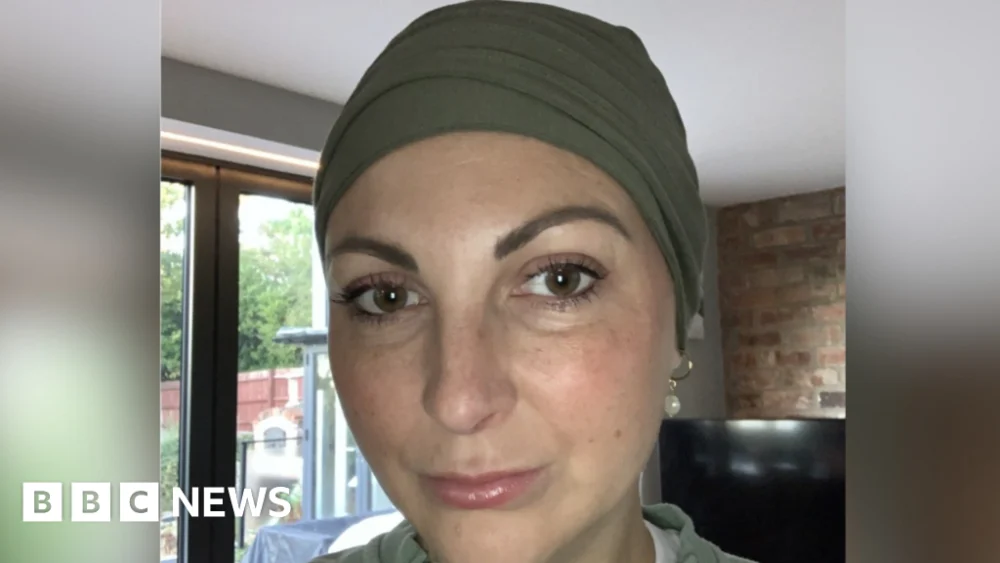
"Mounjaro didn’t just help me lose weight; it unequivocally saved my life. Without the significant weight loss, I would have struggled to feel the fast-acting lump, and the outcome could have been drastically different."
This powerful statement from Rebecca Combellack, a 37-year-old from Sutton Bonington, Nottinghamshire, underscores a remarkable and serendipitous turn of events. What began as a personal journey to shed excess weight using the popular GLP-1 medication, Mounjaro, inadvertently led to the early detection of stage two breast cancer. Her experience highlights a unique and critical intersection between modern weight management solutions and the paramount importance of body awareness in identifying life-threatening conditions, offering a profound testament to the unpredictable paths to diagnosis and recovery.
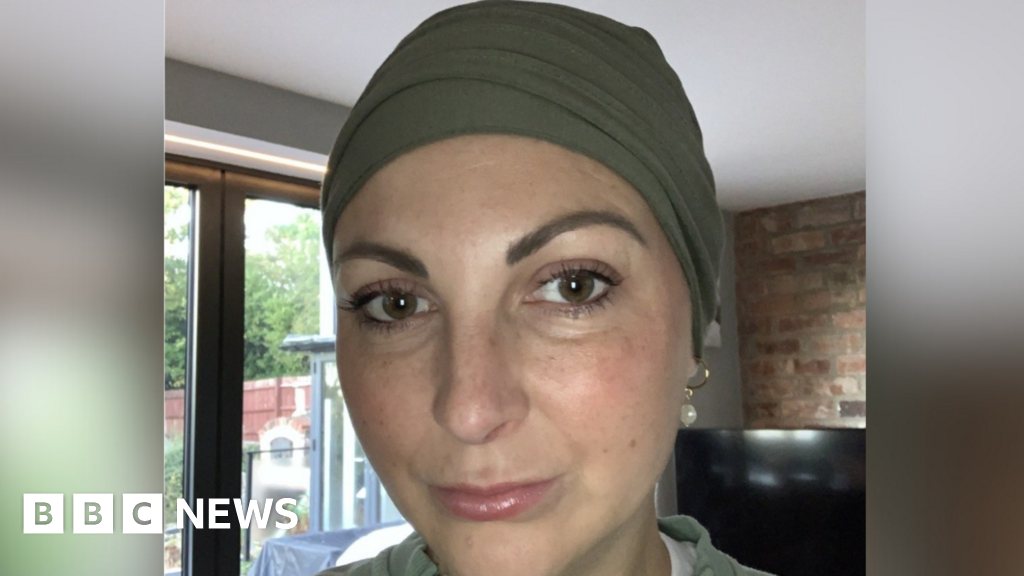
Rebecca Combellack’s decision to embark on a weight loss journey in April 2025 was spurred by a relatable moment of self-reflection during a skiing holiday. Confronted with her weight while being measured for boots and skis, and finding herself at the same weight as her husband, Richard, the impetus to make a change became undeniable. She turned to Mounjaro, a medication increasingly recognized for its efficacy in weight management, initiating a rapid transformation that saw her lose over two stone (12.7 kg) in just two months. This swift weight reduction, while initially celebrated as a personal victory, would soon unveil a far more critical underlying health issue.
The profound physical change brought about by Mounjaro – specifically the reduction in body mass – unexpectedly facilitated the discovery of a small, yet insidious, lump deep within her rib cage. Prior to this weight loss, the lump, positioned in a less accessible area, would likely have remained obscured by greater adipose tissue, delaying detection. Upon finding the anomaly in May 2025, Rebecca promptly sought medical attention. A series of scans and biopsies quickly followed, confirming her fears and leading to a diagnosis of oestrogen receptor-positive stage two breast cancer just a week and a half later. The medical professionals she consulted affirmed her good fortune, noting that her weight loss had been instrumental in allowing her to detect the lump at an earlier, more treatable stage. They emphasized the aggressive nature of the cancer, warning that a delay of even six months could have led to a significantly worse prognosis.
Mounjaro, known generically as tirzepatide, is a novel medication that acts as a dual glucose-dependent insulinotropic polypeptide (GIP) and glucagon-like peptide-1 (GLP-1) receptor agonist. Primarily approved for the treatment of type 2 diabetes and increasingly prescribed for chronic weight management, it works by mimicking natural hormones that regulate blood sugar and appetite. Its mechanism of action includes slowing gastric emptying, increasing insulin release in response to high blood sugar, and reducing glucagon secretion, all of which contribute to a feeling of fullness and reduced food intake. While its effectiveness in weight loss is well-documented, Rebecca’s case presents an unusual and compelling secondary benefit. The common side effects associated with Mounjaro, such as nausea, vomiting, bloating, constipation, and diarrhoea, along with less frequent reports of hair loss, gallbladder issues, kidney problems, and depression, are generally manageable. However, for Rebecca, the unexpected "side effect" was a life-saving revelation.
The emotional impact of the diagnosis was immense, transforming Rebecca’s initial elation over her weight loss into profound shock. "I went from feeling great from losing weight to ‘oh God, I’ve got cancer’," she recounted. "Hearing those three words really does shake you up. It just all felt like a bad dream." Despite the devastating news, Rebecca, a business owner in design and marketing, has approached her battle with remarkable resilience and an unwavering commitment to maintaining normalcy. Following an operation to remove the lump, she commenced chemotherapy in August 2025. Her philosophy has been to view this challenge as an additional facet of her already busy life, refusing to let it derail her. She has continued to work throughout her treatment, underscoring a powerful determination to sustain her business and family life.
The long-term implications of Rebecca’s diagnosis extend beyond the immediate treatment. As her cancer was identified as oestrogen receptor-positive, a common form of breast cancer that relies on oestrogen to grow, she will require hormone blocker medication for the remainder of her life. This crucial therapy is designed to prevent recurrence by suppressing oestrogen production or blocking its effects on cancer cells. A significant consequence of this lifelong treatment is the induction of early menopause, which will occur abruptly without the possibility of hormone replacement therapy (HRT), as HRT would reintroduce hormones that could potentially fuel her specific type of cancer. This premature and medically induced menopause means Rebecca and Richard will be unable to have more children, a deeply personal sacrifice for the couple. Richard, 44, articulated the profound difficulty of this reality, stating, "She has to be on a hormone blocker for the rest of her life, which brings on early menopause, meaning we can’t have any more kids. The menopause will have to be cold turkey because she can’t have any hormones like HRT. It’s so tough, but she’s coped extremely well."
In the face of such adversity, Rebecca and Richard have channelled their energy into meaningful charity work, transforming their personal struggle into a powerful advocacy for others. They have tirelessly raised tens of thousands of pounds for Breast Cancer Now and CoppaFeel, two prominent organizations dedicated to breast cancer research, support, and awareness. Richard, a lifelong ice hockey enthusiast and player for the Nottingham Knights, spearheaded a major charity ice hockey match at Nottingham’s Motorpoint Arena, successfully selling 2,000 tickets for the event. Their motivation is clear and deeply personal: "It’s a horrible thing at Bex’s young age to have to go through," Richard expressed. "So if we can stop one person, one single person, having to go through this journey, and finding it earlier would stop that, then it’s a win for us, so that’s why it really means something to us."
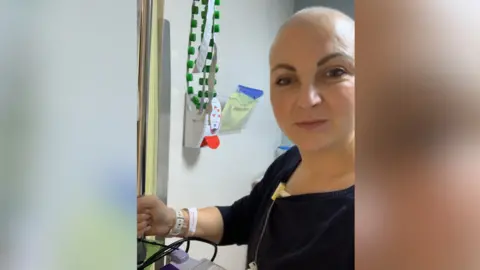
Rebecca’s journey is a stark reminder of the critical importance of self-examination and vigilance regarding one’s body. While Mounjaro is a powerful tool for weight management, its unintended role in her early cancer detection highlights a rare but profound benefit. Her story serves as an inspiring testament to human resilience, the power of early diagnosis, and the ability to find purpose and positivity amidst life-altering challenges. For Rebecca, maintaining a positive outlook and helping others has become an integral part of her healing process. "I’ve just got to carry on laughing," she affirmed, "It’s how we get through."
Additional reporting by Sarah Hawley
