
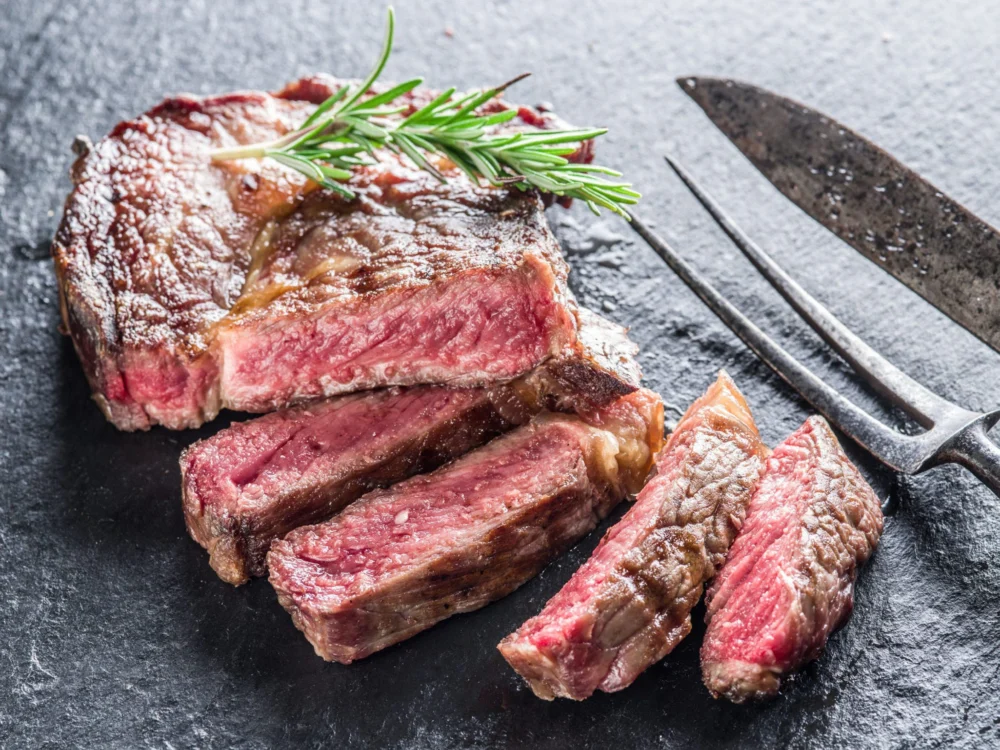
"The secret to a steakhouse-quality rib eye lies not in complex gadgetry, but in the aggressive application of high heat, frequent flipping, and the patience to let the meat rest."
Achieving the perfect sear on a premium cut of beef is often viewed as a daunting task reserved for professional chefs, yet the most effective method is rooted in simplicity and fundamental thermodynamics. By understanding the relationship between surface moisture, heat retention, and muscle fiber relaxation, home cooks can transform a standard rib eye into a culinary centerpiece that rivals the finest dining establishments.
The Anatomy of Excellence: Why Rib Eye?
To cook a rib eye properly, one must first understand why it is widely considered the "king of steaks." Carved from the rib section of the cow—specifically between the sixth and twelfth ribs—the rib eye is comprised of two primary muscles: the longissimus dorsi (the eye) and the spinalis dorsi (the rib eye cap). The latter is often cited by connoisseurs as the most flavorful and tender muscle on the entire animal.
The defining characteristic of the rib eye is its intramuscular fat, commonly known as marbling. Unlike the lean muscle of a filet mignon, the rib eye is shot through with white flecks of fat that melt during the cooking process. This internal basting provides the steak with its signature richness and deep, savory profile. When heat is applied, this fat renders, lubricating the muscle fibers and delivering a "powerfully satisfying" mouthfeel that other cuts simply cannot replicate.
Preparation: The Foundation of the Crust
The journey to a perfect steak begins long before the meat touches the pan. While the original instructions emphasize a three-ingredient approach—salt, pepper, and oil—the preparation of the meat itself is a critical variable. For the seasoning to be effective, the surface of the steak must be as dry as possible. Moisture is the enemy of the Maillard reaction—the chemical reaction between amino acids and reducing sugars that gives browned food its distinctive flavor. If the steak is damp when it hits the pan, the heat will first work to evaporate that water, effectively steaming the meat rather than searing it.
Seasoning "aggressively" with Kosher salt and freshly ground black pepper serves two purposes. First, the large grains of Kosher salt provide a better tactile grip and even coverage compared to fine table salt. Second, the salt acts as a desiccant, drawing out moisture and then dissolving into a concentrated brine that is reabsorbed into the meat, seasoning it deeply. Using "more than you think you need" is a professional standard; a significant portion of the seasoning will be lost to the pan’s surface or the oil, leaving behind just enough to form a salty, peppery crust that contrasts with the tender interior.
The Thermodynamics of Cast Iron
The choice of vessel is not merely a suggestion but a requirement for success. A cast-iron skillet is the gold standard for steak because of its immense thermal mass. Unlike thinner stainless steel or aluminum pans, cast iron retains heat with incredible efficiency. When a cold, thick piece of beef is placed in a hot pan, the temperature of the cooking surface inevitably drops. A cast-iron pan minimizes this drop, ensuring the sizzle remains constant and the sear begins immediately.
High-heat cooking also necessitates proper ventilation. The instruction to turn on exhaust fans and open windows is a practical acknowledgment of the "smoke point." When canola oil—chosen for its high smoke point of approximately 400°F—reaches the necessary temperature for a rib eye, it will begin to produce wisps of smoke. This is the indicator that the pan is ready to transform the surface of the meat.
The Science of the Flip
Traditional culinary wisdom often dictates that a steak should only be flipped once. However, modern culinary science, championed by experts like Paul Kita, suggests that "flipping aggressively"—as often as every minute—is the superior method. Frequent flipping creates a more even temperature gradient within the meat. By turning the steak every 60 seconds, neither side is exposed to the intense heat long enough to overcook the outer layers before the center reaches the desired temperature.

This technique essentially mimics the effect of a rotisserie, allowing the steak to cook faster while maintaining a more uniform pink center from edge to edge. For a standard 1.5-inch rib eye, a total cooking time of approximately six minutes using this method will typically yield a perfect medium-rare. During this process, the constant contact with the hot oil and the rendering beef fat creates a "steakhouse crust"—a complex, crunchy exterior that houses the juicy interior.
The Importance of the Rest
Perhaps the most overlooked step in home cooking is the rest. When meat is cooked, the muscle fibers contract and push moisture toward the center of the cut. If the steak is sliced immediately upon removal from the heat, these pressurized juices will escape onto the cutting board, leaving the meat dry and gray.
By transferring the steak to a plate and letting it sit for at least five minutes, the muscle fibers begin to relax and reabsorb the juices. This redistribution ensures that every bite is equally moist. Furthermore, "carryover cooking" occurs during this time; the internal temperature of the steak will continue to rise by several degrees after it is removed from the pan. Cutting into the steak too early interrupts this final, gentle stage of the cooking process.
The Expert Perspective: Paul Kita’s Philosophy
The methodology provided is distilled from years of expertise by Paul Kita, a James Beard Award-winning editor and author. His background at Men’s Health and his focus on "Guy Gourmet" principles emphasize a philosophy where high-quality results are achieved through precision rather than complexity. Kita’s approach strips away the pretension of gourmet cooking, focusing instead on the essential elements: heat, seasoning, and timing.
This "Man, A Pan, A Plan" strategy is designed to empower the cook. By removing the need for sous-vide machines or specialized grills, Kita demonstrates that a world-class meal is accessible to anyone with a heavy pan and a quality cut of meat. The final touch—scattering a few grains of salt over the fresh slices—is a professional technique that provides a final "pop" of flavor, highlighting the contrast between the seasoned crust and the rich, fatty interior.
Nutritional and Health Implications
While the rib eye is often celebrated for its flavor, it also serves as a potent source of nutrition. A single serving provides high-quality protein essential for muscle repair and growth, along with significant amounts of Vitamin B12, zinc, and iron. While it is a higher-fat cut compared to the sirloin or round, the majority of the fat in a rib eye is monounsaturated—the same type of heart-healthy fat found in olive oil.
When prepared using the high-heat method described, the addition of canola oil is minimal, as much of the fat that coats the pan actually renders out of the steak itself. By cooking at home, the consumer also maintains control over sodium levels and the quality of the ingredients, avoiding the hidden sugars and excessive butter often found in commercial steakhouse preparations.
Conclusion: Honoring the Cut
To cook a rib eye is to participate in a ritual of honoring the ingredient. Because butchers source this cut from a "wondrous portion" of the animal, the cook’s primary responsibility is to avoid interfering with its natural potential. By following a disciplined regimen of high heat, frequent movement, and adequate resting, the home cook can achieve a result that is "deeply savory and powerfully satisfying."
Ultimately, the best way to cook a rib eye is the easiest way. It requires no complex contraptions—only a pan, a few basic ingredients, and a careful eye. In a world of complicated recipes and fleeting food trends, the simple, perfectly seared rib eye remains an enduring standard of culinary excellence.
