
"The combination of plunging humidity and increased hygiene requirements creates a physiological ‘perfect storm’ for the hands, necessitating a transition from simple cosmetic moisturizing to a structured clinical skin-barrier repair protocol."

While many individuals view dry, cracked hands as an inevitable seasonal nuisance, dermatological science suggests that this condition is a manageable failure of the skin’s natural protective barrier. In the transition from autumn to winter, the environmental shift—characterized by low ambient humidity and abrasive winds—accelerates moisture loss through the epidermis. This phenomenon, compounded by the biological reality that hands possess fewer oil glands than the face or torso, leaves the skin vulnerable to micro-fissures, inflammation, and "first blood" cracking. Understanding the chemical differences between lotions, creams, and ointments is the first step in reclaiming skin health during the coldest months of the year.
The Environmental Catalyst: Why Winter Destroys the Skin Barrier
The primary culprit behind winter-induced skin degradation is the precipitous drop in humidity. Cold air is physically incapable of holding as much moisture as warm air. When the outdoor humidity drops, the moisture within the skin begins to evaporate into the environment at an accelerated rate—a process known in clinical dermatology as Trans-Epidermal Water Loss (TEWL).

This environmental stressor is doubled by the necessity of indoor climate control. Forced-air heating systems further strip moisture from the indoor environment, creating a perpetual cycle of dehydration. For the hands, which are frequently exposed to the elements while the rest of the body remains protected by clothing, the impact is immediate. The skin’s outermost layer, the stratum corneum, relies on a delicate balance of lipids and proteins to remain flexible. When these are stripped away by cold winds and dry heat, the skin loses its elasticity, leading to the characteristic "tight" feeling that precedes painful cracking.
The Biological Vulnerability of the Hands
It is a common observation that the hands suffer more significantly than the face or chest during winter. This is not merely due to exposure; it is rooted in human biology. The skin on the back of the hands is significantly thinner than the skin on the rest of the body, and it contains a lower density of sebaceous (oil) glands. These glands are responsible for producing sebum, the body’s natural emollient that locks in moisture and keeps the skin barrier intact.

Furthermore, the hands are the most high-traffic tools of the human body. They are subjected to constant friction, mechanical stress, and chemical exposure. During the winter months, which coincide with the peak of the cold and flu season, the frequency of handwashing and the use of alcohol-based sanitizers increase. While these practices are essential for public health and the prevention of illness, they are devastating to the skin’s lipid barrier. Each wash strips away a layer of protective oils, and without immediate replenishment, the skin enters a state of chronic inflammation.
The Chemical Arsenal: Understanding Lotions, Creams, and Ointments
To effectively treat dry hands, one must understand the hierarchy of moisturizing agents. Dermatologists generally categorize topical treatments into three groups based on their oil-to-water ratio:

- Lotions: These are primarily water-based and contain the lowest concentration of oils. They are designed for rapid absorption and are ideal for the summer months or for individuals with naturally oily skin. In the winter, however, lotions are often insufficient as the water content evaporates quickly, providing only a fleeting sense of relief without repairing the deeper barrier.
- Creams: A balanced emulsion of oil and water, creams are thicker than lotions and provide a more substantial barrier. They are the "workhorse" of winter skincare, offering enough hydration to be comfortable for daytime use without the excessive greasiness associated with heavy oils.
- Ointments: These are oil-based (often containing petrolatum or mineral oil) and contain little to no water. Ointments are the gold standard for healing severely cracked or bleeding skin. They act as "occlusives," meaning they form a physical seal over the skin that prevents almost all moisture from escaping. Because of their heavy, greasy texture, they are typically reserved for nighttime use.
Essential Ingredients for Barrier Repair
When selecting a product, the ingredient list is more important than the brand name. Dr. Whitney Hovenic, a leading dermatologist, emphasizes that a truly effective winter hand treatment should contain a combination of four key components:
- Ceramides: These are lipid molecules found naturally in the skin barrier. Topical ceramides help "glue" skin cells back together, restoring the integrity of the barrier.
- Humectants: Ingredients like glycerin and hyaluronic acid act as moisture magnets. They draw water from the deeper layers of the dermis (or from the air, if humidity allows) into the top layer of the skin.
- Occlusives: Petrolatum, dimethicone, and lanolin provide the physical shield necessary to stop TEWL. They are essential for protecting the skin against harsh winds.
- Emollients: Shea butter and plant oils (such as jojoba or almond oil) fill in the microscopic gaps between skin cells, making the surface feel smooth and soft.
Conversely, there are ingredients that should be strictly avoided when skin is compromised. High concentrations of alcohol, synthetic fragrances, and essential oils can act as irritants on open fissures. Furthermore, active ingredients used for anti-aging, such as retinoids or Alpha Hydroxy Acids (AHAs), should be used with caution on the hands during winter, as they can exacerbate dryness and increase sensitivity.

Clinical Recommendations: The Top-Tier Solutions
For those seeking a structured regimen, several products have emerged as dermatological favorites due to their formulation and efficacy.
For Daily Comfort and Barrier Support:
Clinique’s Deep Comfort Hand and Cuticle Cream is frequently cited by professionals for its ability to provide deep hydration without a sticky residue. Its formula is specifically designed to address the cuticles—a common site of painful "hangnails" and cracks during the winter.

For Sensitive and Reactive Skin:
La Roche-Posay Lipikar AP+M Triple Repair Body Moisturizer is a standout for those who suffer from eczema or extreme sensitivity. As a brand known for its focus on the skin’s microbiome, this moisturizer helps rebalance the bacteria on the skin’s surface while providing a high concentration of ceramides and thermal water. Its versatility as a body lotion makes it a practical choice for total-body winter protection.
For Heavy-Duty Repair:
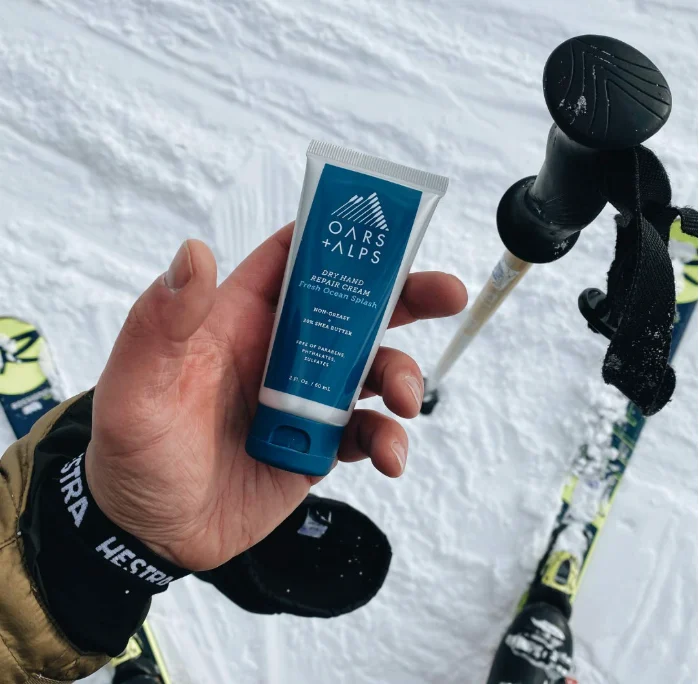
Oars + Alps Dry Hand Repair Cream utilizes a 10 percent concentration of shea butter. This high lipid content makes it an ideal "rescue" cream for those who work with their hands or spend significant time outdoors. It is designed to soothe the "burning" sensation often associated with wind-chilled skin.

For Maintenance and Aesthetics:
Salt & Stone Santal and Vetiver Hand Cream offers a solution for those who prioritize the sensory experience of skincare. While rich in antioxidants to maintain baseline softness, it is formulated with sophisticated scents that complement fine colognes, proving that clinical efficacy does not have to come at the expense of luxury.
For Emergency Intervention:
When the skin has reached the point of "drawing first blood," ointments become mandatory. Aquaphor Healing Ointment and CeraVe Healing Ointment are the industry standards. Both are petrolatum-based and fragrance-free. The CeraVe variant offers the added benefit of ceramides and hyaluronic acid within the occlusive base. Experts recommend applying a thick layer of these ointments at bedtime and, for maximum results, wearing cotton gloves overnight to force the ingredients into the skin.

The Proactive Protocol: A Winter Strategy
Healing dry hands is not a one-time event but a repetitive process. The most effective strategy involves "moisture sandwiching"—applying a humectant-rich cream immediately after washing the hands while the skin is still slightly damp, and then sealing it with an occlusive ointment at night.
By shifting the perspective from reactive treatment to proactive barrier management, individuals can avoid the "fight club" aesthetic of bloody knuckles and maintain skin that is resilient enough to withstand the harshest elements of the season. Winter may be inevitable, but the physical toll it takes on the hands is entirely optional.
