
"The perceived convenience of fast food is a temporal illusion; the time spent in a drive-thru line often exceeds the duration required to prepare a nutrient-dense, chef-quality meal at home."
This perspective challenges the ubiquitous "time-poverty" excuse that dominates modern dietary habits, suggesting that the barrier to healthy eating is not a lack of hours, but a lack of strategic culinary application. By shifting the focus from complex multi-pot preparations to streamlined one-pan methods, individuals can achieve superior nutritional outcomes and flavor profiles without sacrificing the speed they have come to expect from the commercial food industry.
The Myth of the Time-Crunched Kitchen
In the contemporary fast-paced environment, "I don’t have time to cook" has become a mantra for the modern professional. This sentiment, however, rarely holds up under empirical scrutiny. Observational data often reveals a paradox: the same individuals who claim a deficit of time are frequently found idling in drive-thru queues, often eight to ten cars deep, waiting for processed, high-sodium meals. This behavior suggests that the preference for fast food is less about actual time-saving and more about the avoidance of the perceived effort associated with home cooking.
The psychological barrier to cooking is often built upon three pillars: "don’t," "won’t," and "can’t." These represent a lack of desire, a lack of will, and a perceived lack of skill. Overcoming these hurdles is the primary step toward a healthier lifestyle. Much like the commitment required for a consistent physical fitness regimen, the transition to home cooking requires a shift in mindset. Once the decision is made to prioritize the quality of fuel entering the body, the logistics of preparation often prove to be far less daunting than originally imagined.
The Fast Food Fallacy vs. The One-Pan Reality
When comparing the efficiency of a drive-thru to a streamlined home recipe, the time difference is often negligible. Consider the process of leaving a workplace, navigating traffic to a popular "hamburger bin," waiting in a queue, ordering, and receiving a meal. This cycle frequently consumes 20 to 30 minutes. In that same window of time, a home cook utilizing a one-pan strategy can prepare a meal that is not only fresher but significantly more complex in its nutritional and flavor profiles.
The "One-Pan" philosophy, championed by culinary experts like Paul Kita, Food & Nutrition Editor at Men’s Health, focuses on minimizing the friction of cooking. By using a single vessel—be it a cast-iron skillet or a sheet pan—the cook reduces the cognitive load of managing multiple timers and drastically cuts down on the cleanup process. This efficiency is the cornerstone of the cookbook A Man, A Pan, A Plan, which argues that professional-grade nutrition does not require a professional-grade time investment.
Case Study: The Four-Chile Pork Chop
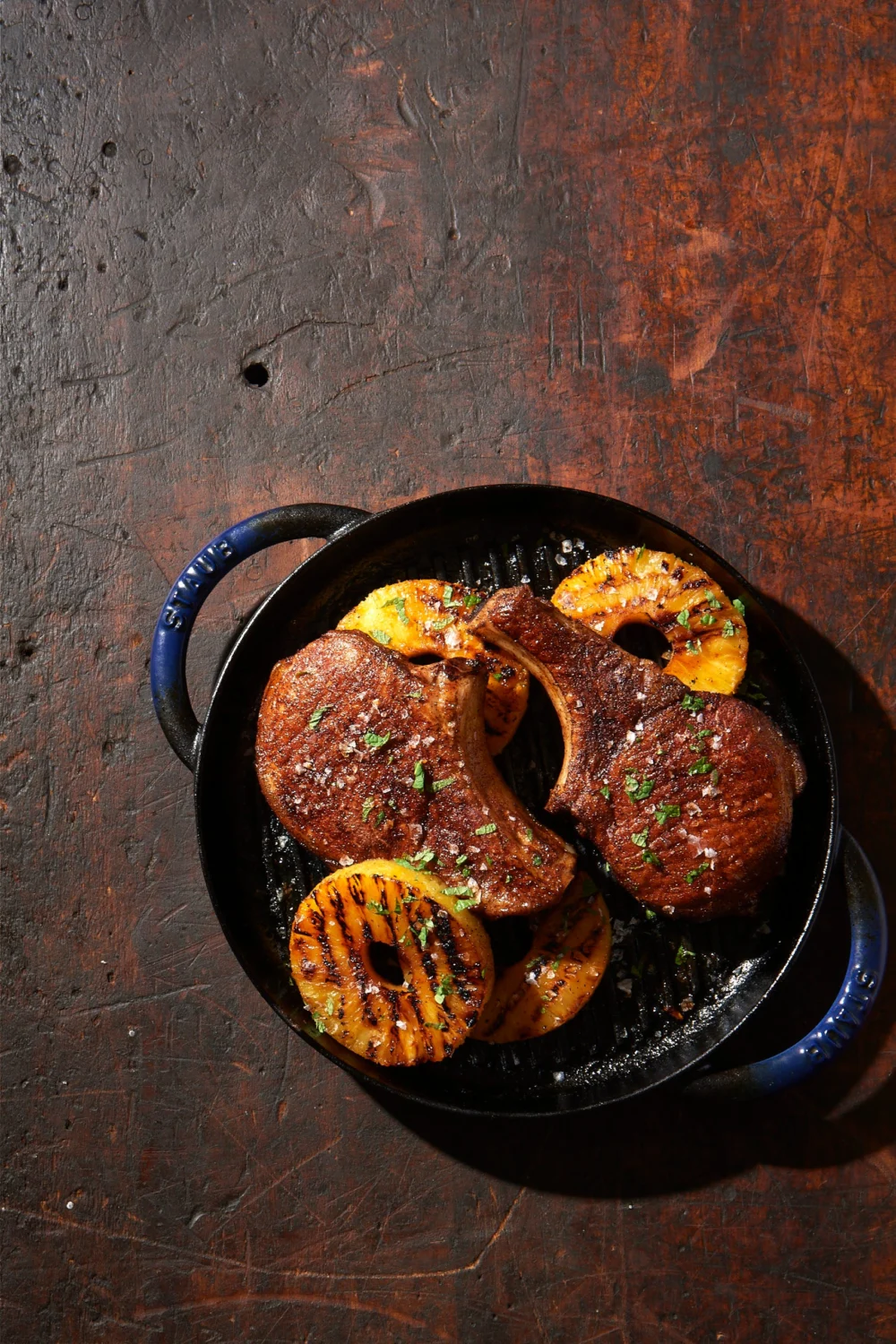
To illustrate the superiority of home-cooked efficiency, one can look at the "Four-Chile Pork Chops with Grilled Pineapple." This recipe serves as a direct rebuttal to the bland, grease-heavy offerings of the fast-food industry. While a drive-thru burger relies on processed fats and high sugar content for palatability, this dish utilizes a sophisticated blend of spices and natural sugars to achieve a "firestorm" of flavor.

The heat profile is constructed using four distinct types of chili:
- Chili Powder: Provides a grounded, earthy base.
- Chipotle: Introduces a smoky, deep intensity.
- Ancho: Offers a mild, fruit-like undertone.
- Cayenne: Delivers the sharp, immediate heat that stimulates the palate.
This heat is not merely for sensation; capsaicin, the active component in chilies, has been linked to metabolic boosts and the release of endorphins. When this heat is applied to a lean protein like pork, it creates a robust culinary experience that fast food cannot replicate.
The Role of Synergistic Ingredients
The hallmark of an expert-level meal is the balance of flavors, particularly the interplay between heat and sweetness. In the Four-Chile Pork Chop recipe, fresh pineapple rings are grilled alongside the meat. This serves several purposes. Chemically, pineapple contains bromelain, an enzyme that can aid in the digestion of proteins. Culinary-wise, the heat of the pan caramelizes the natural sugars in the pineapple, creating a sweet contrast to the "firestorm" of the four-chile rub.
The addition of fresh mint and sea salt as a finishing touch introduces a layer of brightness and texture. This combination—hearty protein, spicy heat, caramelized fruit, and fresh herbs—provides a level of sensory satisfaction that a "grease-stained bag of below-average burgers" simply cannot provide. This "satisfaction factor" is a critical component of dietary adherence; when food is genuinely enjoyable, the temptation to revert to processed alternatives diminishes.
The Nutritional Superiority of Home Cooking
Beyond flavor and time, the nutritional implications of choosing the kitchen over the drive-thru are profound. Commercial fast food is engineered for shelf-life and hyper-palatability, often resulting in excessive levels of trans fats, refined carbohydrates, and sodium. These ingredients contribute to systemic inflammation, energy crashes, and long-term metabolic issues.
In contrast, home-cooked meals allow for total control over ingredient quality. A pork chop prepared at home is a clean source of high-quality protein, essential for muscle repair and satiety. By grilling fruit instead of consuming high-fructose corn syrup (often found in fast-food condiments and buns), the cook receives fiber and micronutrients alongside their sweetness. The transition from "eating for convenience" to "eating for performance" is perhaps the most significant benefit of reclaiming the kitchen.
Practical Implementation: Moving Past the Excuses
To bridge the gap between the "won’t" and the "do," aspiring home cooks should focus on a few key strategies:
- Standardize Your Equipment: A single, high-quality 12-inch cast-iron skillet or a heavy-duty rimmed baking sheet can handle approximately 80% of quick-cooking needs.
- Master the Spice Cabinet: Keeping a stock of versatile spices like the four chilies mentioned allows for the rapid transformation of basic proteins without the need for calorie-dense sauces.
- Minimize Prep Friction: Learning the "easiest way" to handle produce—such as the efficient breakdown of a fresh pineapple—removes the minor annoyances that often lead people to abandon a recipe before they start.
- The "Grunt" Philosophy: Cooking does not always need to be a meditative, multi-hour affair. It can be a functional, high-intensity task. Cook it, eat it, and get on with the day.
Conclusion
The argument that one lacks the time to cook is increasingly becoming a relic of a less informed era. As the science of nutrition and the art of simplified cooking converge, it is becoming clear that the most efficient path to health is through one’s own kitchen. By adopting a "man, a pan, a plan" mentality, the modern individual can bypass the slow, unsatisfying drive-thru lines in favor of meals that offer better flavor, better health, and a genuine sense of accomplishment. The "one-minute edge" a drive-thru might occasionally provide is a poor trade-off for the lifelong benefits of culinary self-sufficiency.
