

"Early detection is the most powerful weapon against bowel cancer, with over 90% of cases being curable when identified at their earliest stages. Recognizing persistent symptoms and embracing recommended screening protocols are vital steps everyone can take to significantly improve outcomes."
Bowel cancer, also known as colorectal cancer, remains one of the most prevalent and serious forms of cancer globally. While advances in treatment continue, the stark reality is that prognosis dramatically improves with early diagnosis. The recent increase in public awareness, partly driven by the advocacy of figures like the late Dame Deborah James, underscores the urgent need for individuals to understand its symptoms, risk factors, and the available screening options. This comprehensive guide aims to shed light on how to identify potential signs, mitigate risks through lifestyle choices, and navigate the pathways to diagnosis and treatment.
Understanding the Main Symptoms of Bowel Cancer
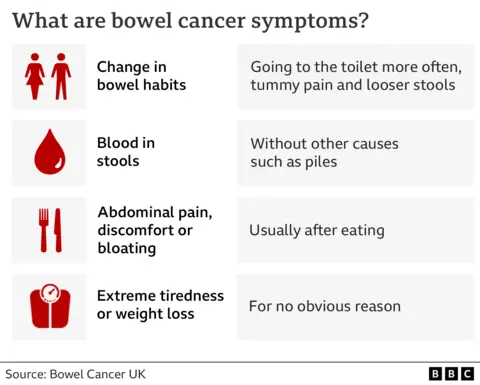
Recognizing the early indicators of bowel cancer is paramount. While many symptoms can be attributed to less serious conditions, persistence over several weeks warrants medical consultation. The National Health Service (NHS) and leading cancer charities highlight three primary warning signs, alongside several other important symptoms:
- Persistent Change in Bowel Habits: This is often one of the most noticeable symptoms. It can manifest as experiencing looser stools, passing stools more frequently than is normal for you, or, conversely, experiencing increased constipation. Crucially, this change should be persistent and not easily explained by dietary shifts or minor illnesses. It might also include a feeling of incomplete bowel emptying, even after passing stool.
- Blood in Your Stool (Rectal Bleeding): Any presence of blood in your faeces or bleeding from your back passage requires urgent investigation. While bright red blood can sometimes indicate haemorrhoids (piles), it can also be a symptom of bowel cancer. Dark red or black blood suggests bleeding from higher up in the bowel or stomach and is particularly concerning. It’s important to note the colour, amount, and consistency of the blood.
- Abdominal Pain, Discomfort, or Bloating: Persistent, unexplained pain, cramping, or discomfort in the abdomen, particularly in the lower stomach area, can be a symptom. This may be accompanied by bloating that is not related to eating and doesn’t subside. This discomfort might be intermittent but generally becomes more consistent or severe over time.
Beyond these primary indicators, other symptoms that should prompt a visit to your GP include:
- Unexplained Weight Loss: Losing a significant amount of weight without trying can be a sign of many serious conditions, including cancer. Bowel cancer can cause weight loss by affecting appetite, digestion, or by increasing the body’s metabolic demands as it fights the disease.
- Extreme Tiredness (Fatigue): Persistent and overwhelming tiredness, even after adequate rest, can be a symptom. This is often due to anaemia caused by slow, continuous blood loss from the bowel tumour, which depletes iron stores in the body.
- A Lump in Your Abdomen: In some cases, particularly in more advanced stages, a palpable lump may be felt in the abdomen, especially if the tumour has grown large enough.
It is critical to remember that having one or more of these symptoms does not automatically mean you have bowel cancer. Many benign conditions can cause similar issues. However, the NHS strongly advises seeking medical advice from your GP if you experience any of these symptoms for three weeks or longer, or if you simply feel that something is not right with your body. Ignoring persistent changes can delay diagnosis, impacting treatment outcomes.

In severe cases, bowel cancer can lead to a bowel obstruction, where the tumour blocks the passage of waste. This is a medical emergency characterized by severe tummy pain, absolute constipation (inability to pass wind or stools), and persistent sickness or vomiting. If these symptoms occur, immediate medical attention at your GP or nearest A&E department is essential.
The Importance of Checking Your Stool
While it may feel uncomfortable, regularly observing your stool is a simple yet effective way to monitor your digestive health. Changes in colour, consistency, and the presence of blood are key indicators.
- Blood: As mentioned, any visible blood should be investigated. Bright red blood is often associated with the lower bowel or rectum, while darker blood indicates bleeding higher up.
- Stool Consistency and Shape: A persistent change towards looser, runnier stools, or stools that are unusually narrow (pencil-thin) can be a red flag. The Bristol Stool Chart is a useful tool for understanding different stool types and identifying deviations from what is considered healthy.
- Frequency: A significant and lasting change in how often you pass stools, either becoming much more frequent or experiencing prolonged constipation, is a symptom to note.
Healthcare professionals are accustomed to discussing bowel habits, and there is no need for embarrassment. Openly communicating any concerns allows for timely and accurate diagnosis.
Understanding the Causes and Risk Factors
While the exact cause of bowel cancer is not fully understood, a combination of genetic, environmental, and lifestyle factors is known to increase risk.
- Age: The risk significantly increases with age, with most cases diagnosed in people over 50.
- Diet: A diet high in red and processed meats (e.g., bacon, sausages, ham) and low in fibre, fruits, and vegetables is a significant risk factor. Processed meats, in particular, have been classified as carcinogenic by the World Health Organization.
- Obesity: Being overweight or obese increases the risk of bowel cancer, as well as many other cancers.
- Physical Inactivity: A sedentary lifestyle is associated with a higher risk. Regular physical activity helps maintain a healthy weight and promotes good bowel function.
- Alcohol Consumption: Excessive alcohol intake is linked to an increased risk.
- Smoking: Smoking is a known carcinogen and increases the risk of developing many cancers, including bowel cancer.
- Family History: While most bowel cancers are not hereditary, having a close relative (parent, sibling, child) diagnosed with bowel cancer, especially before the age of 50, increases your personal risk. It is crucial to inform your GP about such family history.
- Genetic Conditions: Certain inherited genetic conditions, such as Lynch syndrome (hereditary non-polyposis colorectal cancer, HNPCC) and Familial Adenomatous Polyposis (FAP), significantly raise the risk of developing bowel cancer. Individuals with these conditions often require specialized screening and management plans.
- Inflammatory Bowel Disease (IBD): Conditions like Crohn’s disease and ulcerative colitis, which cause chronic inflammation of the bowel, are associated with an increased risk of bowel cancer over time. Regular surveillance is typically recommended for these patients.
- Polyps: Most bowel cancers develop from pre-cancerous growths called polyps. These are usually benign but can become cancerous over time if not removed. Screening aims to detect and remove these polyps before they turn cancerous.
Strategies to Reduce Your Risk of Bowel Cancer

The good news is that more than half of all bowel cancers are believed to be preventable through lifestyle modifications. Adopting healthier habits can significantly lower your risk:
- Maintain a Healthy Diet: Prioritize a diet rich in fibre, found in whole grains, fruits, and vegetables. Limit your intake of red and processed meats. Aim for at least five portions of fruit and vegetables daily.
- Stay Physically Active: Engage in regular moderate-intensity physical activity. Aim for at least 150 minutes per week, or 75 minutes of vigorous activity. This helps maintain a healthy weight and promotes healthy bowel function.
- Maintain a Healthy Weight: Achieve and maintain a healthy Body Mass Index (BMI) through a balanced diet and regular exercise.
- Limit Alcohol Intake: If you drink alcohol, do so in moderation. Adhere to national guidelines for safe alcohol consumption.
- Stop Smoking: Quitting smoking is one of the most impactful steps you can take to reduce your cancer risk, including bowel cancer.
- Participate in Screening Programmes: Take up the offer of bowel cancer screening as soon as you become eligible. These programmes are designed to detect early-stage cancer or pre-cancerous polyps.
- Be Symptom Aware: Do not ignore concerning symptoms. If you notice any persistent changes in your bowel habits or other potential signs, contact your GP promptly.
Who Can Be Tested for Bowel Cancer?
Bowel cancer screening programmes are crucial for early detection, targeting age groups most likely to benefit. These programmes aim to find cancer before symptoms develop, or to detect and remove pre-cancerous polyps.
In England, Scotland, and Wales, routine bowel cancer screening typically starts from age 50, with individuals receiving a home test kit every two years. In Northern Ireland, screening begins for people over 60.
The primary screening method in the UK is the Faecal Immunochemical Test (FIT). This home test kit requires you to collect a small stool sample, which is then sent to a laboratory for analysis. The FIT test looks for tiny traces of blood in your stool that may not be visible to the naked eye, which can be an early sign of polyps or cancer.
If your FIT test result shows the presence of blood, you will typically be invited for further diagnostic procedures, such as a colonoscopy. A colonoscopy involves a long, thin, flexible tube with a camera on the end being inserted into the rectum to examine the entire length of the large bowel. This allows doctors to identify and often remove polyps or take biopsies of any suspicious areas. Another procedure, a flexible sigmoidoscopy, examines only a portion of the bowel.
It is important to understand that screening tests are not 100% accurate, and a negative result does not guarantee you don’t have bowel cancer. Conversely, a positive result does not automatically mean you have cancer; it simply indicates the need for further investigation.
If you are in a younger age group (e.g., under 50 or 60, depending on your region) and experience persistent symptoms, you should visit your GP directly rather than relying on self-test kits available for purchase. While these kits exist, their interpretation can be confusing, and professional medical assessment is always the most reliable first step for symptom investigation.
How is Bowel Cancer Treated?
Treatment for bowel cancer is highly individualized and depends on several factors, including the stage of the cancer, its location, the patient’s overall health, and specific genetic markers of the tumour. A multidisciplinary team of specialists typically collaborates to devise the most effective treatment plan.
Common treatment modalities include:
- Surgery: This is often the primary treatment, especially for early-stage bowel cancer. The aim is to remove the section of the bowel containing the tumour, along with nearby lymph nodes. In some cases, a temporary or permanent colostomy or ileostomy (where a stoma is created to divert waste) may be necessary.
- Chemotherapy: This involves using drugs to kill cancer cells throughout the body. It may be given before surgery (neoadjuvant) to shrink the tumour, after surgery (adjuvant) to eliminate any remaining cancer cells and reduce recurrence risk, or for advanced cancer to control its growth and manage symptoms.
- Radiotherapy: This uses high-energy radiation to destroy cancer cells. It is often used for rectal cancer, sometimes before surgery to shrink the tumour or after surgery to kill any remaining cells.
- Targeted Therapy: These drugs specifically target certain molecules or pathways involved in cancer cell growth. They are often used for advanced bowel cancer, particularly when specific genetic mutations are identified in the tumour.
- Immunotherapy: This type of treatment harnesses the body’s own immune system to fight cancer. It is becoming an increasingly important option for certain types of advanced bowel cancer, especially those with specific genetic characteristics.
Advances in genetic testing mean that treatments are becoming increasingly personalized. By analyzing the genetic makeup of an individual’s tumour, oncologists can tailor therapies to be more effective, potentially leading to better outcomes and fewer side effects. This precision medicine approach is continuously evolving and holds significant promise for extending the lives of patients with bowel cancer.
Is Bowel Cancer Curable?
Yes, bowel cancer is highly curable, particularly when diagnosed at an early stage. Early detection is the most critical factor influencing prognosis.

- Early-Stage Diagnosis: More than 90% of individuals diagnosed with bowel cancer at its earliest stage (Stage 1, where the cancer is confined to the bowel wall) will survive for five years or more. This high survival rate underscores the immense value of screening and prompt symptom investigation.
- Late-Stage Diagnosis: In contrast, when bowel cancer is diagnosed at its latest stage (Stage 4, where the cancer has spread to distant organs), the five-year survival rate drops significantly to around 44%. This stark difference highlights the importance of not delaying medical attention.
Survival rates for bowel cancer, like many cancers, tend to be higher in younger patients (e.g., 15- to 40-year-olds) compared to older individuals, primarily because older people generally have more co-morbidities and cancer can be more aggressive in later life.
While significant progress has been made in the UK, survival rates for bowel cancer are generally not as favourable as in some other European countries. This discrepancy often points to challenges in early diagnosis, public awareness, and access to optimal treatment pathways. Continuous efforts to improve public education, expand screening programmes, and ensure equitable access to advanced care are vital to enhance outcomes for all affected by this disease.
In conclusion, understanding the symptoms, adopting a healthy lifestyle, and participating in screening programmes are powerful tools in the fight against bowel cancer. Prompt action upon noticing any persistent changes can be life-saving.
