
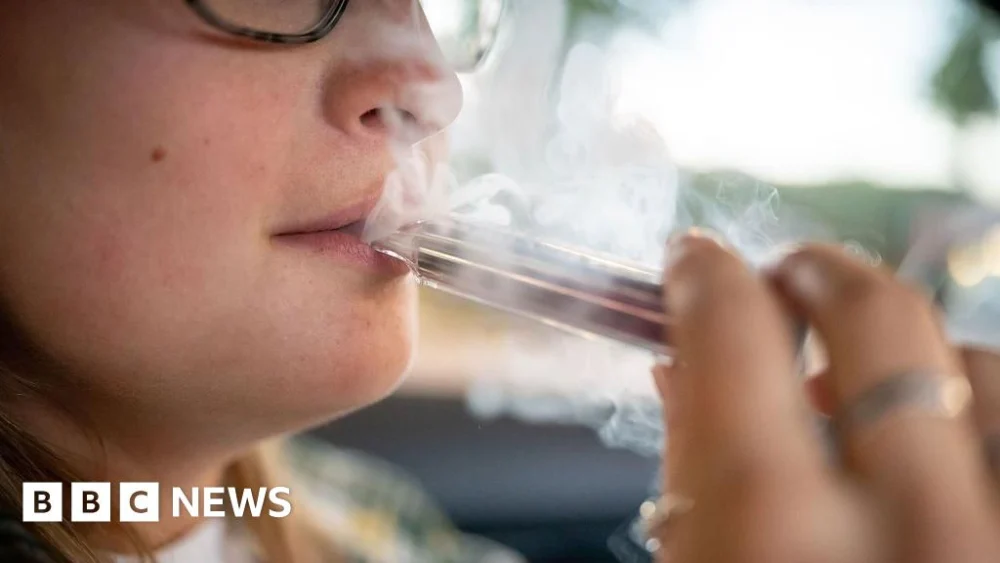
"In a landmark push for public health, the UK government has unveiled plans to prohibit vaping and smoking in areas frequented by children and vulnerable individuals, including cars carrying minors, playgrounds, and outside schools and hospitals. This proactive stance underscores a commitment to preventative health, aiming to shield the most susceptible from the harms of second-hand exposure and foster a healthier generation."
The British government has initiated a significant public consultation on proposals to extend bans on smoking, vaping, and the use of heated tobacco products across various public and semi-public spaces in England. These ambitious plans are primarily driven by a desire to protect children and medically vulnerable individuals from the documented risks associated with second-hand smoke and the emerging concerns surrounding second-hand vape aerosol. The proposed regulations would see restrictions applied to environments such as cars transporting children, playgrounds, the immediate vicinity of schools, all indoor public spaces (where smoking is already prohibited), and areas directly outside hospitals, marking a substantial expansion of existing public health legislation.
Health Secretary Wes Streeting articulated the core philosophy behind these measures, stating unequivocally that "children and patients should not have to suffer because others choose to smoke." He underscored the severe health consequences of second-hand smoke, citing its proven link to increased risks of heart disease and lung cancer. Streeting framed the initiative as a preventative health strategy, designed to alleviate pressure on the National Health Service (NHS) by fostering a healthier populace and enabling individuals to "live well for longer." This focus on prevention aligns with the government’s broader 10-year health plan, which seeks to pivot the healthcare system from a reactive model of treating illness to a proactive approach of averting avoidable harm.
Adding scientific weight to the government’s position, England’s Chief Medical Officer, Professor Sir Chris Whitty, enumerated a range of "significant harmful effects" directly attributable to second-hand smoking. These include, but are not limited to, exacerbation of asthma, adverse birth outcomes, various forms of cancer, heart disease, and stroke. Prof. Whitty emphasized that the proposed measures would be instrumental in "reducing the harm second-hand smoke causes the most medically vulnerable in our society," highlighting the ethical imperative to protect those least able to protect themselves.
The public consultation, which commenced on a Friday and is slated to run for a rigorous 12-week period, concluding on 8 May 2026, invites input from individuals and organizations on several critical aspects. These include identifying specific settings where bans should be implemented, considering potential exemptions to the rules, and developing effective strategies for informing the public about the new restrictions. The feedback gathered during this extensive consultation will be pivotal in shaping the final regulations under the overarching Tobacco and Vapes Bill. This comprehensive bill is currently navigating its way through Parliament, with its primary objectives being the creation of a "smoke-free generation" and the safeguarding of young people from a lifetime of nicotine addiction. The bill represents a foundational legislative effort to systematically reduce smoking rates and curb the rising trend of youth vaping.
It is important to note that the proposed bans are not all-encompassing. Certain outdoor environments, such as outdoor hospitality venues like pub gardens, expansive open spaces including beaches, and private outdoor areas, are explicitly excluded from the current plans. Furthermore, individuals will retain the right to smoke and vape within the confines of their own homes, respecting the sanctity of private residences. Should the proposed bans be enacted, the enforcement mechanisms are expected to "mirror existing smoke-free laws," leveraging established frameworks for compliance. To allow for adequate public awareness and adaptation, the government has committed to a minimum six-month interval between the official promulgation of the regulations and their actual implementation.
The initiative has garnered strong support from leading health organizations. Dr. Charmaine Griffiths, Chief Executive of the British Heart Foundation, expressed the research charity’s unequivocal endorsement of the consultation and called for the urgent implementation of the proposed legislation. Dr. Griffiths underscored the severity of the issue, stating that "tough measures must be taken to prevent smoking from robbing more families of their loved ones and harming vulnerable people." This sentiment reflects a broad consensus among public health advocates who view these measures as crucial steps towards mitigating preventable diseases and enhancing overall societal well-being.

The expansion of smoke-free and vape-free environments represents a continuation of the UK’s progressive public health policies, which notably included the landmark indoor smoking ban in 2007. That legislation dramatically altered social norms around smoking and significantly improved air quality in public spaces. The current proposals extend this protective umbrella to address the evolving landscape of nicotine consumption, particularly the rapid increase in vaping prevalence, especially among younger demographics. While the long-term health effects of vaping are still under comprehensive study, the scientific community holds a precautionary principle, particularly concerning the exposure of children to vape aerosols, which contain ultrafine particles, heavy metals, and various chemical compounds, some of which are known irritants and toxins. Protecting children from this potential exposure is a central tenet of the new policy.
The government’s "smoke-free generation" ambition also draws parallels with international efforts, such as New Zealand’s previous attempt at a generational tobacco ban, showcasing a global trend towards aggressive anti-smoking and anti-vaping policies. By focusing on preventing new generations from ever taking up these habits, and simultaneously protecting current vulnerable populations, the UK aims to reduce the immense economic burden that smoking-related illnesses place on the NHS – a burden estimated to run into billions of pounds annually in healthcare costs and lost productivity. This strategic approach highlights a holistic view of health, where policy interventions are seen as vital tools in shaping healthier environments and influencing positive behavioral changes.
The forthcoming months will be critical as the public consultation unfolds, gathering diverse perspectives on the practicality, efficacy, and societal implications of these proposed bans. The outcome will not only dictate the future regulatory landscape for smoking and vaping in England but will also send a clear message about the government’s resolve to prioritize public health, particularly for its youngest and most vulnerable citizens, in the face of evolving nicotine product consumption patterns.
