
“A pioneering study has demonstrated that stimulating specific brain regions with a gentle electrical current can temporarily enhance prosocial behavior, offering new insights into the neurological underpinnings of altruism and its potential therapeutic applications for social disorders.”
Researchers at the University of Zurich have made a significant discovery, revealing that targeted electrical stimulation of the brain can make individuals temporarily less selfish. This groundbreaking finding not only deepens our understanding of the neural mechanisms driving fundamental human behaviors but also opens promising avenues for addressing brain disorders characterized by impaired social interaction and empathy. The study provides compelling evidence of a direct causal link between activity in particular brain networks and an individual’s willingness to prioritize others’ well-being.
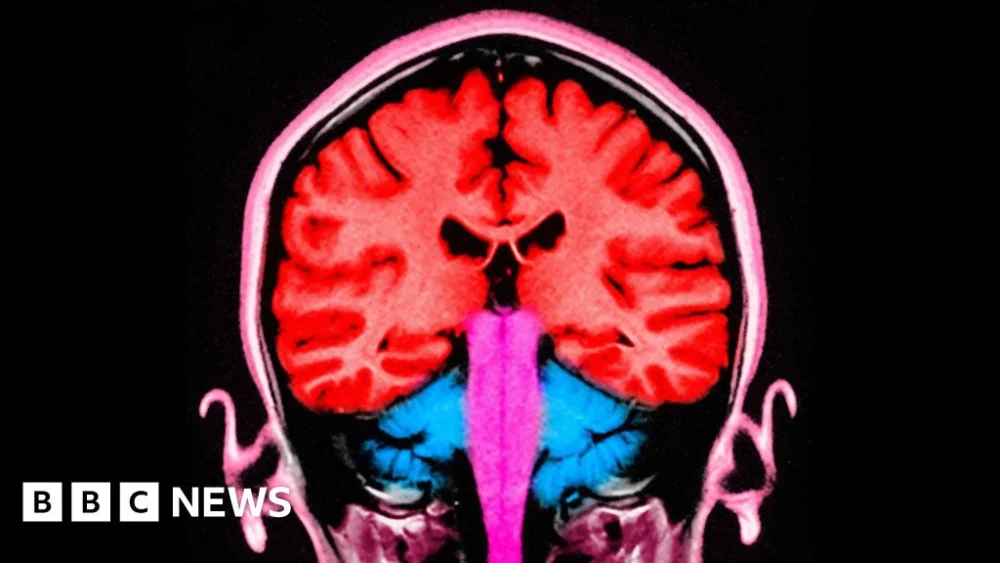
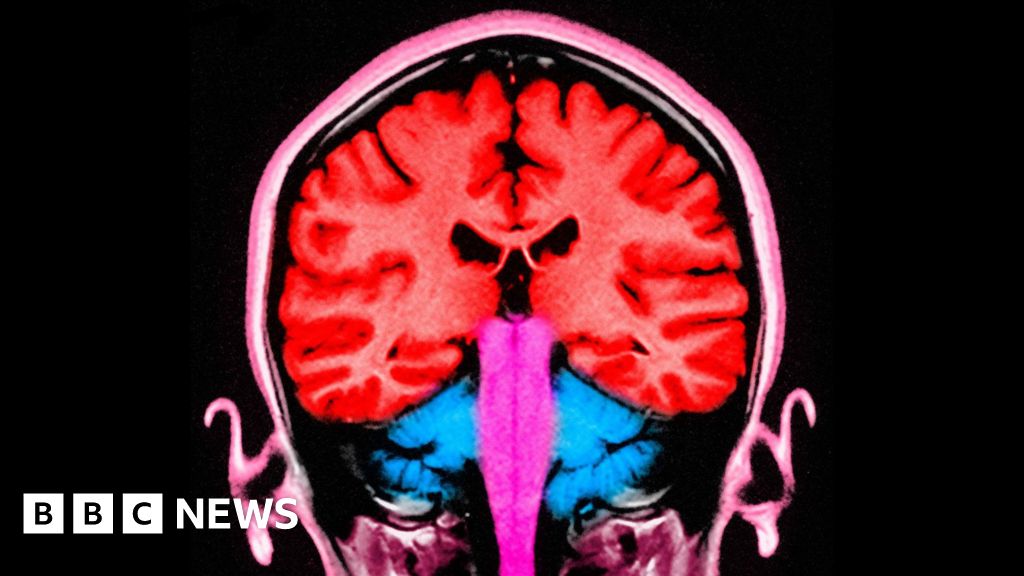
The investigation involved 44 volunteers who participated in a controlled experiment designed to assess their generosity. Each participant was tasked with deciding how to divide a sum of money between themselves and an anonymous partner. Crucially, during various phases of this decision-making process, a low-intensity electrical current was applied to two key areas of the brain: the frontal cortex, located at the front of the head and associated with executive functions, decision-making, and impulse control; and the parietal cortex, situated towards the back, known for its role in processing sensory information, spatial awareness, and, significantly, in empathy and the ability to distinguish one’s own perspective from that of others.
When both these frontal and parietal regions were simultaneously stimulated, a measurable and consistent shift in behavior was observed. Participants consistently opted to allocate a larger share of the money to their anonymous partners, demonstrating an increased inclination towards selfless actions. Professor Christian Ruff, one of the lead authors of the study, emphasized the statistical robustness of these findings, noting, "The effects were not huge, but they’re consistent. Statistically, we really see an increase in their willingness to pay." This indicates that while the effect might be subtle, it is reliably induced by the specific neural intervention.
This research builds upon previous work that identified how these two brain areas "talk to each other" – meaning their neuronal cells fire at the same frequency – when individuals make more selfless decisions. The frontal cortex’s role in evaluating options and making choices, combined with the parietal cortex’s contribution to perspective-taking and empathy, suggests a critical neural dialogue for prosocial behavior. The current study advanced this understanding by demonstrating a cause-and-effect relationship: by actively influencing this communication through non-invasive brain stimulation, researchers could nudge individuals towards greater generosity.
The technique employed in the study is a form of non-invasive brain stimulation, typically transcranial direct current stimulation (tDCS) or transcranial alternating current stimulation (tACS), which involves delivering a weak electrical current through electrodes placed on the scalp. This current modulates neuronal excitability, either increasing or decreasing the likelihood of neurons firing, thereby influencing brain activity in targeted regions. One anonymous volunteer who experienced the stimulation described it as feeling "like a warm shower or small drops of rain" on the scalp, highlighting its non-intrusive nature. Crucially, participants reported no conscious sensation that the stimulation was influencing their decisions, suggesting the effects operate at a subconscious or pre-conscious level.
Beyond merely unraveling the neurological underpinnings of human behavior, the findings hold significant clinical relevance. Professor Ruff highlighted the potential for therapeutic applications, particularly for individuals who struggle with profound problems in social behavior due to an inability to grasp other people’s perspectives, leading to consistently selfish conduct. Conditions such as certain personality disorders, some forms of autism spectrum disorder, or even acquired brain injuries can impair these crucial social cognitive abilities. For such individuals, who often face significant challenges in interpersonal relationships and societal integration, this method could offer a novel approach to intervention.
However, Professor Ruff also cautioned that the observed effects in this experiment were temporary. Just as a single gym workout won’t dramatically transform one’s physique, a single session of brain stimulation is unlikely to induce lasting behavioral change. "To really change behaviour in the longer term, you would have to do it repeatedly," he explained, drawing an apt analogy: "If you go to the gym twice weekly for a period of two months, your body changes. This is the same." This suggests that any potential therapeutic application would likely involve sustained, regular stimulation sessions, potentially alongside behavioral therapy, to foster more enduring changes in brain networks and corresponding social behaviors through neuroplasticity.
The identification of this selfless decision-making brain activity across multiple individuals strongly supports the idea that altruism is not merely a learned behavior but is, to some extent, "hardwired" into our brains. This perspective aligns with evolutionary psychology, which posits that prosocial behaviors, including altruism, evolved because they confer survival advantages to social species, fostering cooperation and group cohesion. The ability to influence and modulate this deeply ingrained mechanism, as Professor Ruff noted, is precisely what makes this discovery so clinically impactful.
Dr. Jie Hu from East China Normal University, a co-author of the study, underscored the novel contribution of their work: "What’s new here is evidence of cause and effect. When we altered communication in a specific brain network using targeted, non-invasive stimulation, people’s sharing decisions changed – shifting how they balanced their own interests against others." This distinction between correlation (observing brain activity during selfless acts) and causation (actively changing behavior by manipulating that activity) is a critical leap forward in neuroscience.
The notion of influencing human behavior through direct brain stimulation naturally raises ethical considerations and potential concerns about manipulation. Professor Ruff proactively addressed these apprehensions, asserting that there is "absolutely no" reason to be concerned in the context of scientific research. He emphasized the stringent ethical framework governing such studies: "This is medically regulated specifically for these experiments. It goes through an ethics committee and people give informed consent, which they can withdraw at any time." He contrasted this transparent, regulated process with the pervasive, often subconscious, influences on behavior from sources like social media and advertising, where individuals typically have "no control over what you’re exposed to [and how your brain responds to it]." This highlights the crucial difference between scientific inquiry conducted with consent and oversight, and the often opaque mechanisms of commercial or societal persuasion.
Looking ahead, this research paves the way for further investigation into the precise neural pathways involved in altruism and empathy. Future studies might explore individualized stimulation protocols, examine the effects in populations with specific social deficits, or investigate the long-term efficacy of repeated stimulation. The work from the University of Zurich represents a significant step towards understanding how our brains facilitate social connection and compassion, offering a glimpse into a future where neurological interventions could potentially enhance our better angels.
